Israel Strikes Southern Lebanon After Drone Incident
Israeli forces executed strikes in southern Lebanon on September 6, responding to Hezbollah's drone launches towards Israeli troops, escalating regional…
Lauren Collins ·
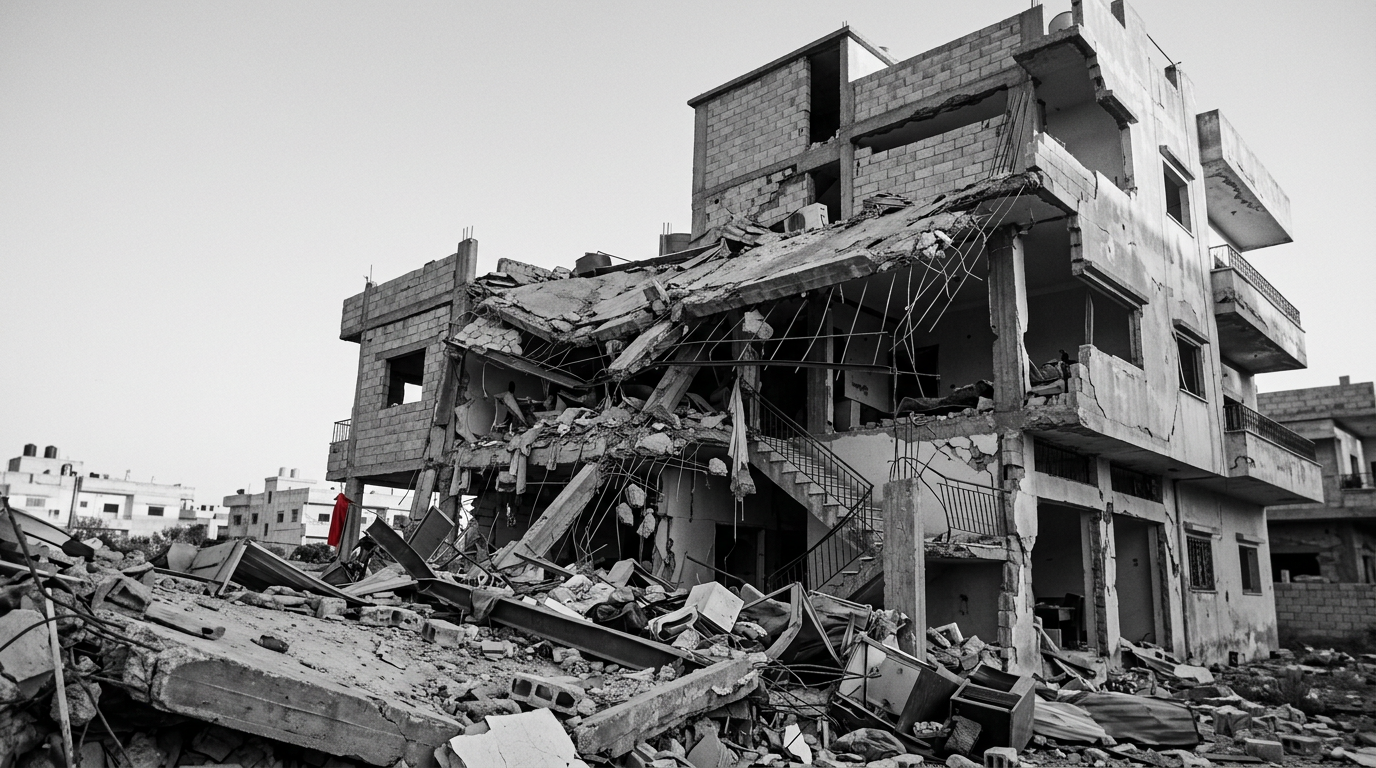
Israeli military units conducted strikes in southern Lebanon on September 6, following reports of two drones, allegedly launched by Hezbollah, targeting Israeli forces. This action prompted authorities to issue an evacuation advisory for residents in the Arab Salim area, indicating a high potential for further military engagements.
Officials confirmed that the drone activity directly precipitated the Israeli response. Neither side immediately provided details regarding potential casualties resulting from these exchanges. The Lebanese government did not issue a public account of the incidents at the time of reporting.
Cross-Border Hostilities Intensify
The Israeli military stated its operations were a direct countermeasure to the drone launches. The pre-emptive evacuation alert for Arab Salim residents underscored expectations of continued hostilities. Such advisories are common when military actions are anticipated to persist or escalate.
Both Israeli and Lebanese spokespersons typically release updates through their official communication channels following such cross-border events. The recent drone launches and the subsequent Israeli strikes represent a notable increase in existing tensions along the shared border.
Regional Impact and Outlook
Diplomatic and market observers are closely monitoring the evolving situation for any indications of broader escalation. Particular attention is being paid to the potential impact on regional energy routes and overall stability in the Levant. The immediate effects on commercial shipping and global oil flows remain subject to ongoing assessment.
Commodities desks and various regional capitals are expected to maintain heightened vigilance on developments over the coming days. Updates anticipated within the subsequent 72 hours are crucial for determining whether these exchanges will intensify or de-escalate. Observers have identified September 8 as an early benchmark to gauge the trajectory of these military interactions.
The persistent volatility in the region necessitates careful observation of all statements and actions from key actors involved. The incident highlights the precarious security environment and the constant risk of rapid escalation in the Israel-Lebanon border region.
Historical Context of Border Incidents
The border between Israel and Lebanon has a long history of intermittent conflict and tension, primarily involving Israeli forces and Hezbollah, a Shiite political party and militant group based in Lebanon. Incidents often involve rocket fire, drone incursions, and retaliatory strikes. These events frequently trigger warnings and emergency measures for civilian populations on both sides.
Previous clashes have sometimes led to significant military confrontations, impacting regional stability and drawing international attention. The current situation underscores the fragile ceasefire arrangements and the delicate balance of power that characterize this contentious border zone.