Israel Strikes South Lebanon as U.S.-Backed De-escalation Tested
Israel continued strikes in southern Lebanon despite a U.S.-brokered de-escalation, as Lebanese and Israeli officials met for ceasefire talks.
Lauren Collins ·
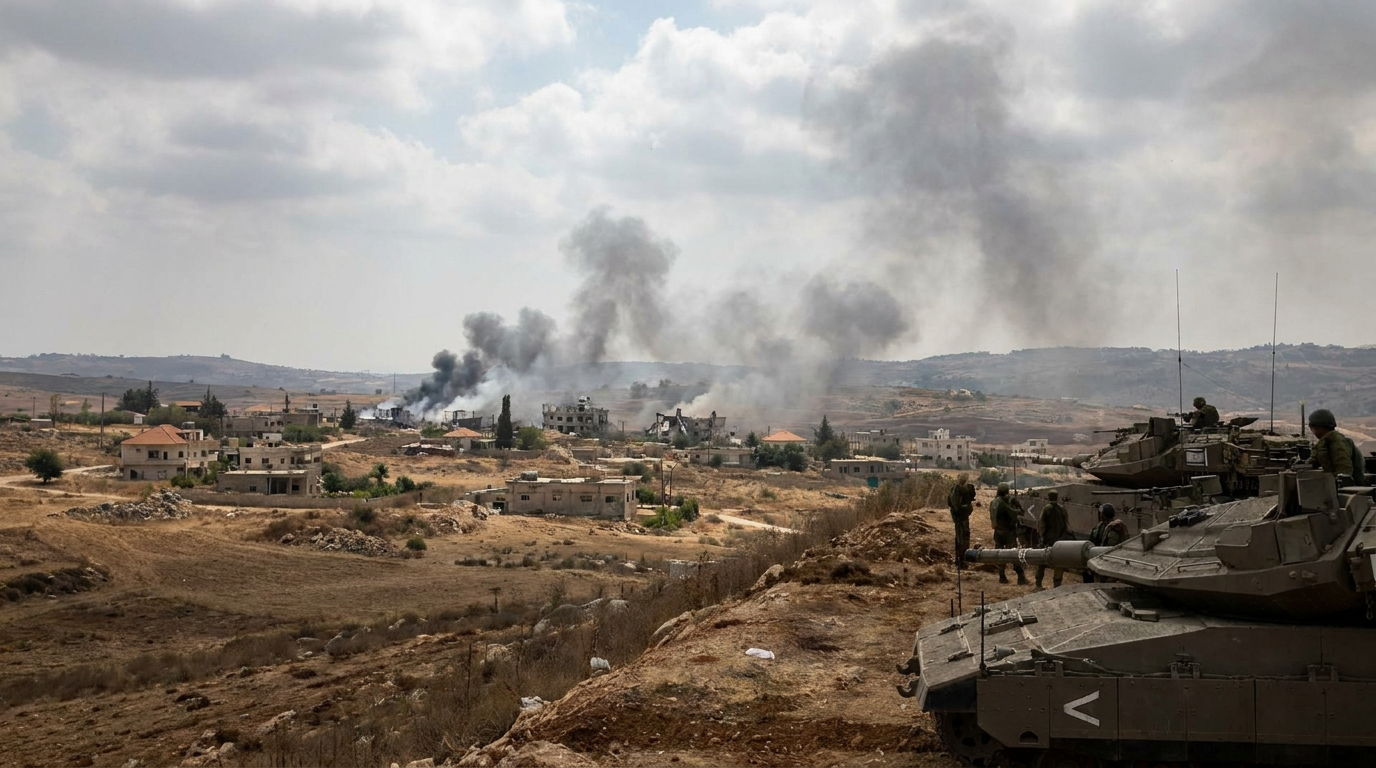
Israel carried out airstrikes and artillery fire in southern Lebanon on Tuesday, June 2, killing at least four people in two towns, as a U.S.-brokered understanding aimed at easing tensions failed to halt fighting. The strikes came a day after U.S.
President Donald Trump asked Israeli Prime Minister Benjamin Netanyahu not to attack Beirut. Lebanon’s government said Israel would refrain from carrying out threatened strikes on Beirut’s southern suburbs while Hezbollah would halt attacks against Israel.
Lebanese state media reported the deaths following strikes in the south. Residents in Beirut said the sound of an Israeli drone overhead on Tuesday kept them on edge despite the de-escalation announcement.
The Israeli military ordered residents of the city of Nabatiyeh, described as a major Hezbollah stronghold, to leave ahead of strikes. Israel said troops were establishing positions south of Nabatiyeh “to strengthen operational activity in southern Lebanon.”
Hezbollah said it fired artillery shells at Israeli troops near Beaufort Castle and targeted Israeli military vehicles south of Nabatiyeh on Tuesday. It has not announced cross-border attacks since Monday.
Clashes continue in the south
The conflict has displaced more than 1.2 million people in Lebanon, according to figures cited in the report. The war is three months old, with the source material citing more than 3,400 deaths in Lebanon.
Israel’s forces have captured Beaufort Castle, southeast of Nabatiyeh, according to the source. Israeli Defense Minister Israel Katz warned on Tuesday that if Israel’s northern communities are attacked, the Israeli military would strike Beirut’s southern suburbs.
Israel partially eased restrictions in some of its northern communities on Tuesday, allowing people to return to work and school as long as they were equipped with shelters, and fully lifted restrictions in others, the report said.
Washington talks and Iran’s position
Lebanese and Israeli officials began a new round of talks in Washington on Tuesday. Lebanon’s government said it would seek a full ceasefire in those discussions, which the source described as part of a series of face-to-face meetings Beirut has attended despite Hezbollah objections.
The war began with U.S. and Israeli attacks on Iran at the end of February, according to the source material. It also said Iran has demanded a ceasefire in Lebanon as part of any wider deal with the U.S. to end hostilities.
What to watch next will be whether the Washington talks produce a broader ceasefire framework, and whether the de-escalation understanding announced for Beirut holds as fighting continues in southern Lebanon.