Israel Accuses Iran of Cluster Munitions Use
Israel accused Iran on March 10, 2026, of using cluster munitions in Ukraine and Israel, highlighting global arms control challenges.
Lauren Collins ·
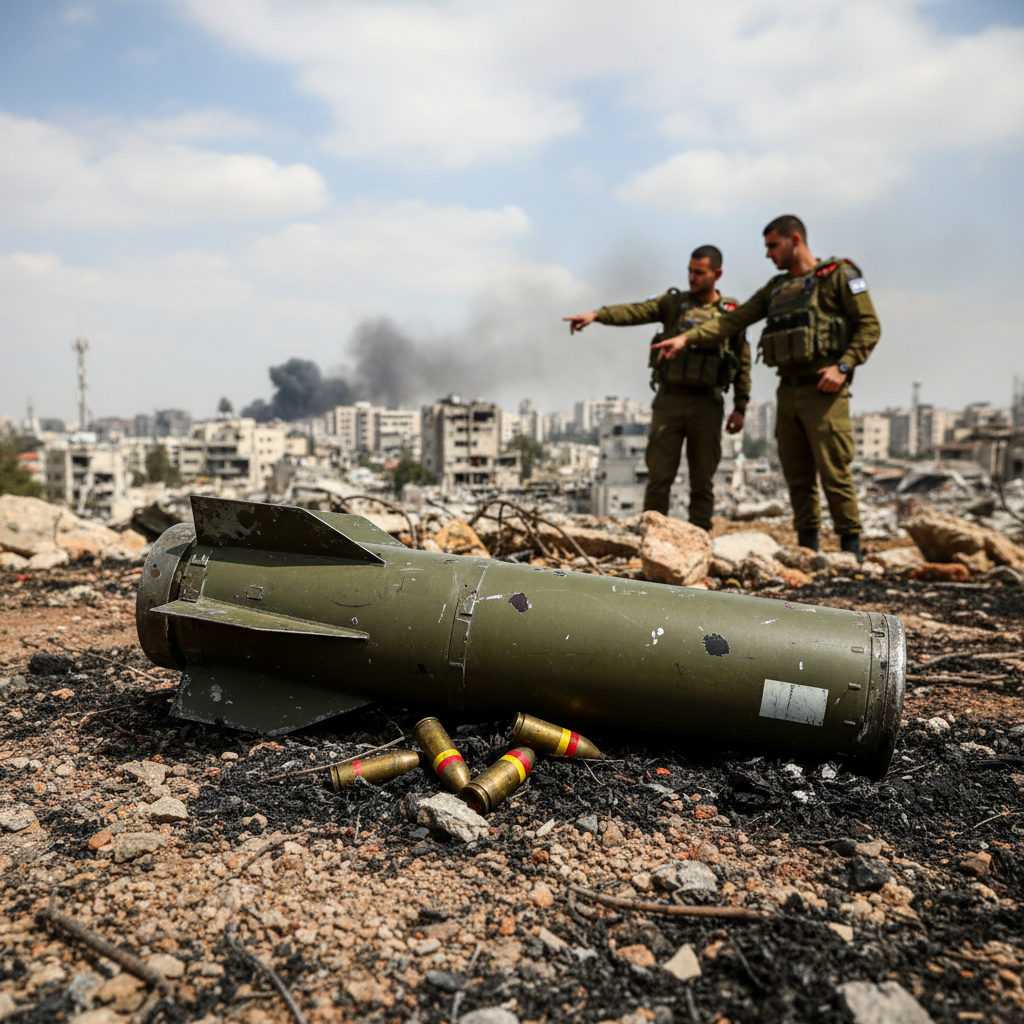
Israel has formally accused Iran of utilizing cluster munitions in recent conflicts, specifically alleging their deployment by Russian forces in Ukraine and by Hamas in Israel. This accusation, issued on March 10, 2026, brings renewed international attention to the contentious use of these weapons and their proliferation.
Cluster munitions are designed to disperse numerous smaller submunitions across a broad area. Their indiscriminate nature and the persistent danger posed by unexploded ordnance have led to a ban by over 120 countries under the 2008 Convention on Cluster Munitions. However, key nations involved in current conflicts, including Iran, Russia, Israel, Ukraine, and the United States, have not ratified this international treaty.
International Stance on Cluster Munitions
Allegations and Evidence
Geopolitical Implications
Future Outlook
Implications
Country Impact: The accusation intensifies diplomatic pressure on Iran and could lead to further sanctions or international condemnation. It also highlights the complex military aid dynamics between Russia and Iran, and the ongoing conflict in Ukraine.
Industry Impact: The defense industry for cluster munitions faces increased scrutiny, though non-signatory nations may continue production and trade. The focus on Iranian-made weapons could impact global arms control efforts and supply chain monitoring.
Market Impact: Increased geopolitical tensions, particularly in the Middle East, could lead to volatility in energy markets and defense sector stocks. The ongoing use of controversial weapons may also influence investor sentiment regarding ethical investing and ESG criteria.