Israel Assesses Iran Prepares Coordinated Multi
Israeli officials warn Iran may coordinate a multi-front assault with Hamas, Hezbollah, and other proxies, significantly increasing regional war risks.
Mateo Fernandez ·
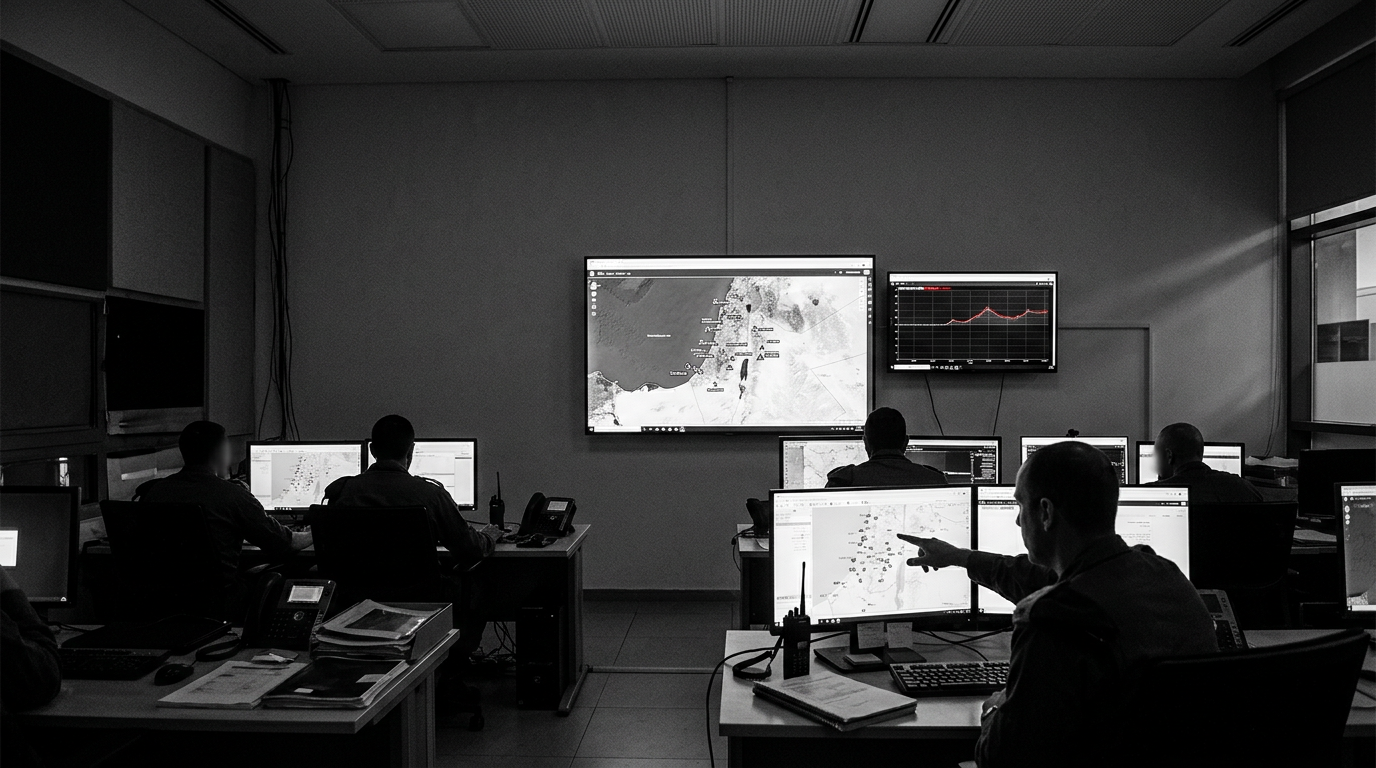
Israeli officials are evaluating intelligence suggesting Iran is orchestrating a synchronized, multi-front offensive against the nation. This assessment highlights an elevated risk of broader regional conflict, moving beyond isolated skirmishes to a potentially coordinated strike across several theaters simultaneously.
According to these officials, the anticipated operation would involve Hamas in Gaza, Hezbollah in Lebanon, Houthi forces with links to Yemen, and various militias operating from Iraq. Such a coordinated effort would place significant strain on Israel's defense capabilities, requiring it to distribute its air-defense resources, intelligence gathering, and command attention across multiple borders.
Evaluating Coordinated Threat
The central element of this assessment is the perceived level of coordination. While the claim originates from Israeli intelligence, detailed public evidence supporting the timing and synchronization across these groups has not been presented. Should Iran successfully align the operational timing of its allied factions, Israel would face an unprecedented challenge in managing concurrent threats from its northern, southern, and eastern flanks, alongside potential maritime pressure.
This scenario contrasts sharply with previous isolated confrontations, where Israel typically engaged one or two fronts at a time. The prospect of a four-front assault necessitates a different strategic and tactical response, potentially stretching military and logistical resources thin across extended operational zones.
Broader Regional Implications
The potential for such a widespread conflict carries significant global macroeconomic implications. Should critical maritime routes like the Red Sea or Gulf, or key Israeli infrastructure, come under threat, the immediate impact would likely be felt in global energy markets and shipping. Oil prices and freight costs are identified as primary transmission points for this economic shock, potentially disrupting supply chains and increasing inflationary pressures worldwide.
Internationally, such an escalation would intensify diplomatic efforts from the United States and European nations. The focus would be on containing the conflict to prevent it from widening into direct state-to-state confrontation, a development that could destabilize the entire Middle East. For regional security sectors, an expanded conflict would likely increase demand for advanced air defense systems, interceptor missiles, surveillance technologies, and logistics support, while also exposing potential vulnerabilities in existing stockpiles and readiness levels.
Operational Challenges and Future Watch
For Israel, the immediate concern is the operational strain that a simultaneous multi-front engagement would impose. Dividing resources and attention across Gaza, Lebanon, and Iraq-based threats, alongside Houthi-linked actions, presents a complex defense challenge. The assessment specifies a critical timeframe, indicating that if no coordinated action materializes in the immediate 24 to 48 hours following the assessment (up to September 8, 2026, as per the original timeframe), the focus would then shift towards deterrence strategies and signaling.
However, if attacks commence as assessed, the primary question for international observers and policymakers will be whether the conflict can remain geographically contained or if it will inevitably broaden into a more extensive regional war. This period of heightened alert underscores the volatile security landscape in the Middle East and the intricate web of alliances and antagonisms at play.