U.S. narrows Ulchi Freedom Shield drills with South Korea
U.S. narrowed Ulchi Freedom Shield mid-exercise after a White House directive, officials said, citing costs, alliance frictions, and diplomacy goals.
Atlas Newsdesk ·
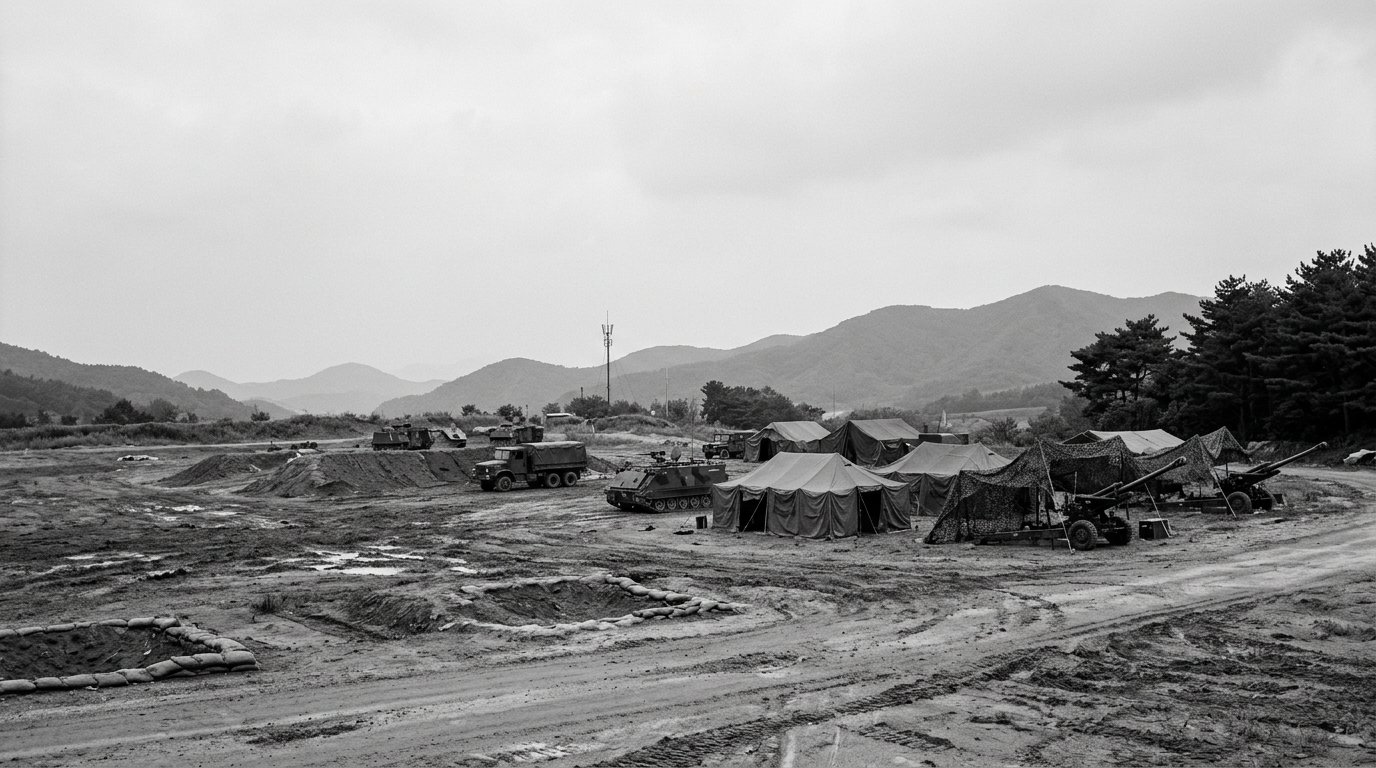
The United States reduced the size of its annual Ulchi Freedom Shield military exercises with South Korea after a White House directive issued shortly after the drills had begun, officials said.
Officials said the change came midstream, turning what had been planned as an 11-day event into a narrower set of activities. They described the decision as a late-stage adjustment rather than a routine, pre-planned modification.
White House directive reshapes a drill already underway
Ulchi Freedom Shield is held every year and Ulchi Freedom Shield is held every year and involves combined military activities by the United States and South Korea. Officials said the instruction to scale back arrived after the exercise had started, signaling a policy-driven shift during execution. Officials framed the revised format as an effort to preserve coordination with South Korea while limiting the risk of raising tensions on the Korean Peninsula. They said the administration is trying to balance readiness with a desire to avoid steps that could be seen as escalating. Costs, Iran-linked coordination, and North Korea diplomacy cited Officials gave two stated reasons tied to alliance coordination and diplomacy. They pointed to South Korea’s refusal to participate in U.S.-led efforts related to Iran and to Seoul’s interest in keeping diplomatic channels open with North Korea.
Alongside those factors, the administration described large-scale exercises as expensive and said they can be counterproductive to regional stability. Officials said a smaller footprint was intended to reduce the chance the drills would be interpreted as a provocation, while maintaining the ability to work together militarily.
Deterrence messaging and Pyongyang’s reaction remain uncertain
The shift departs from a long-standing approach in which large combined drills have served as a visible signal of the U.S.-South Korea security partnership. In previous years, officials have positioned these exercises as a central feature of bilateral coordination and deterrence messaging.
North Korea has repeatedly described such exercises as provocative, according to the information provided. Officials and analysts said the latest reduction could influence how Pyongyang responds to future training cycles, but any reaction remains uncertain.
Analysts link the move to negotiation aims amid wider tensions Analysts said the change may be designed to encourage North Korea to return to negotiations over nuclear disarmament. They also said any diplomatic intent would unfold as North Korea has recently expanded its nuclear arsenal and increased cooperation with Russia and China.
Those developments, analysts said, complicate the idea that scaling back an exercise alone would alter North Korea’s strategic decision-making. Officials and analysts said Washington is weighing the costs and perceived escalation risks of major drills against the possibility of creating conditions for talks, while the effect on deterrence and alliance cohesion remains unclear based on the information available.