Israel Establishes Maritime Buffer Zone
Israel's maritime buffer zone in southern Lebanon sparks concerns over resource appropriation and potential violations of international agreements.
Atlas Newsdesk ·
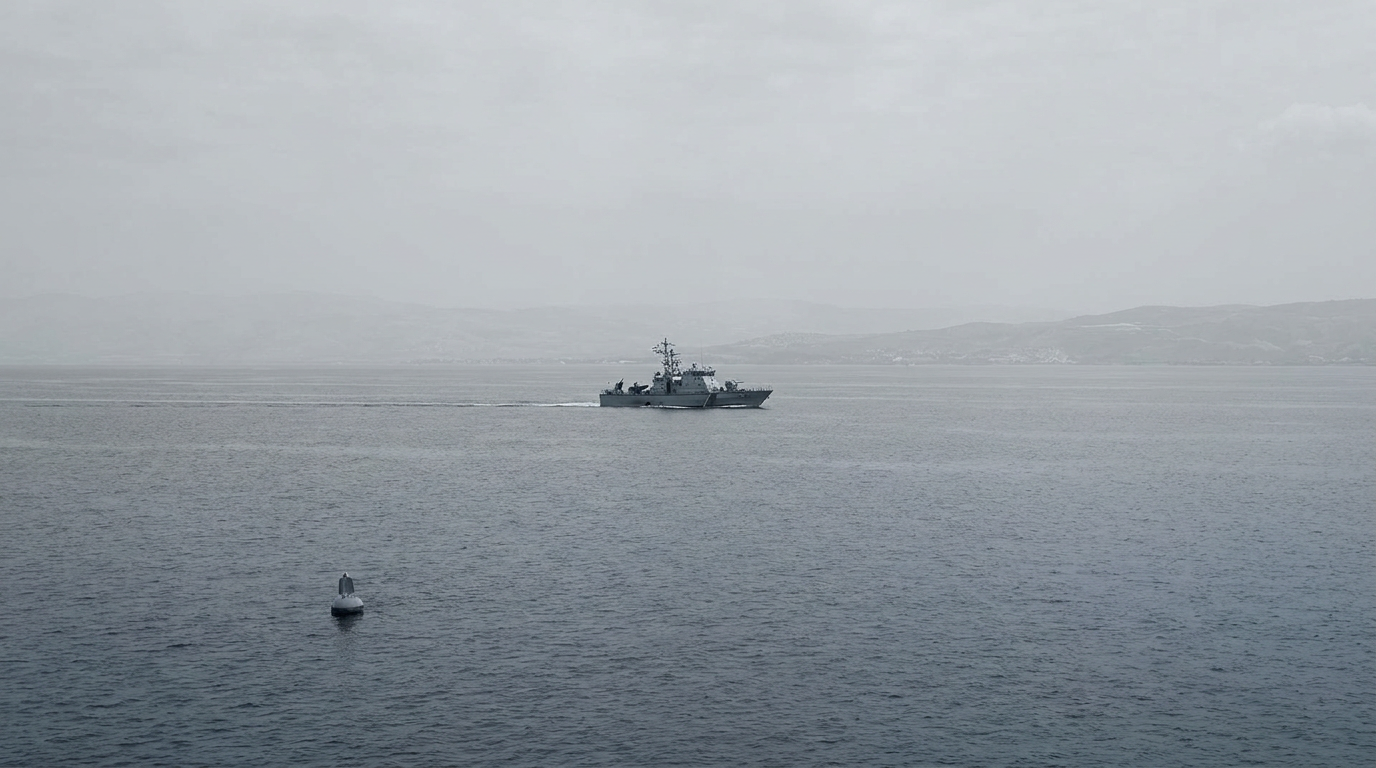
Israel Establishes Maritime Buffer Zone
Israel established a “security buffer zone” in southern Lebanon, extending into Mediterranean waters, on April 19, 2026, following a U.S.-brokered ceasefire between Israel and Lebanon. This zone, demarcated as the “Yellow Line” by the Israeli army, stretches approximately 10 km (6 miles) north of the Lebanon-Israel border, encompassing about 6 percent of Lebanese territory. Experts indicate this action may constitute an attempt to occupy Lebanese maritime territory, which contains potential oil and gas reserves, and violates a 2022 U.S.-brokered maritime border agreement.
The new demarcation line extends into Lebanon’s exclusive economic zone (EEZ) in the Eastern Mediterranean Sea, incorporating Block 9 and Block 8 of the Qana gas field. These blocks border Israeli waters and are designated for gas exploration. In January 2026, TotalEnergies, Eni, and QatarEnergy signed an offshore exploration permit with the Lebanese government for Block 8. The 2022 maritime agreement between Israel and Lebanon established a clear boundary to resolve disputes over an 860 sq km (332 sq miles) area, explicitly guaranteeing Lebanon's exploration rights for the Qana gas project.
Lebanon has 10 offshore blocks, with only Block 8 currently under contract for hydrocarbon activities. Previous exploration in Block 4 and Block 9 yielded no economically feasible reserves. The current Israeli action is viewed by maritime legal experts as a potential violation of international law, infringing upon Lebanon's sovereign rights and resources within its territorial sea and EEZ, and departing from established legal norms for maritime boundary negotiations.