Iran Nuclear Strategy Shifts After US-Israel Strikes
Iran is re-evaluating its nuclear strategy after joint U.S.-Israeli strikes on March 3, 2026, challenging its 'strategic patience' approach.
Lauren Collins ·
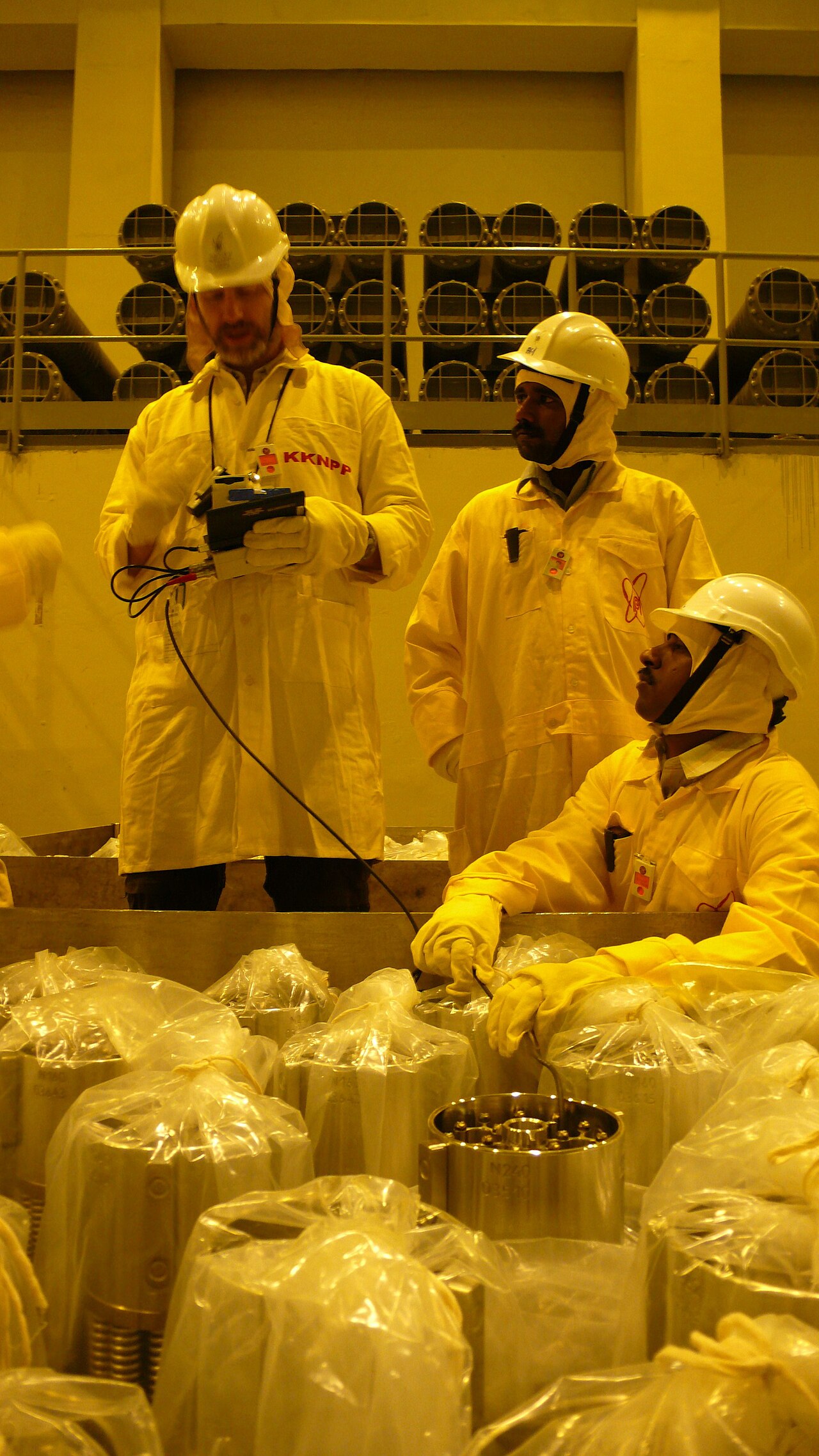
-Israeli military actions on March 3, 2026. This reassessment marks a significant departure from Tehran's previous policy of "strategic patience," which had guided its approach to nuclear development and regional diplomacy for an extended period. The recent military engagements, which included strikes on Iranian targets, have prompted a fundamental reconsideration of the nation's security doctrines.
For years, Iran had maintained a policy of gradual escalation in its nuclear activities, particularly after the United States withdrew from the Joint Comprehensive Plan of Action (JCPOA) in 2018. Initially, Tehran continued to adhere to the agreement's terms for nearly a year post-withdrawal.
However, it subsequently began to increase uranium enrichment levels and other nuclear-related work, a process that accelerated following key events such as the assassination of prominent nuclear scientist Mohsen Fakhrizadeh and the election of President Ebrahim Raisi in 2021.
S. prioritized regional stability over direct conflict. This perceived miscalculation is now influencing internal discussions regarding the future direction of Iran's nuclear ambitions. Historically, a religious edict had been cited as a barrier to developing nuclear weapons, but this stance is now reportedly under review by the new leadership.
Prior to these events, Iran had also engaged in diplomatic efforts to de-escalate tensions with regional neighbors, notably achieving a rapprochement with Saudi Arabia in 2023. These diplomatic overtures were part of a broader strategy to enhance regional stability while advancing its nuclear program. However, the recent military actions have shifted the focus towards strengthening deterrence capabilities.
Iran's enhanced military capabilities, developed over several years, were reportedly utilized in retaliatory actions following the strikes. These responses are said to have caused significant damage, including fatalities among U.S. and Israeli personnel and disruptions to critical infrastructure. Furthermore, the closure of the Strait of Hormuz, a vital global oil transit chokepoint, has been reported, leading to immediate impacts on international energy markets.
The current leadership in Tehran is now faced with the decision of whether to pursue a nuclear deterrent, driven by the perceived failure of diplomatic solutions and the direct military confrontation. This potential shift could have profound implications for regional security and global non-proliferation efforts, marking a new phase in the ongoing nuclear standoff.
### Historical Context of Iran's Nuclear Program
Iran's nuclear program dates back to the 1950s, initially supported by the United States under the Atoms for Peace program. Following the 1979 Iranian Revolution, the program continued, albeit with increased international scrutiny. Concerns about its potential military dimensions intensified in the early 2000s, leading to UN Security Council sanctions and extensive diplomatic efforts.
### International Diplomacy and the JCPOA
The 2015 JCPOA, signed by Iran and the P5+1 nations (China, France, Germany, Russia, the United Kingdom, and the United States), aimed to restrict Iran's nuclear activities in exchange for sanctions relief. The agreement was seen as a landmark diplomatic achievement, but its future became uncertain after the U.S. withdrawal in 2018, leading to renewed tensions and a gradual rollback of Iran's commitments.
### Regional Security Dynamics
The Middle East remains a complex geopolitical landscape, with numerous actors and competing interests. The recent events underscore the fragility of regional stability and the interconnectedness of nuclear proliferation concerns with broader security issues. The Strait of Hormuz, in particular, holds immense strategic importance due to its role in global energy supply chains.
Implications
Country Impact: Iran's re-evaluation of its nuclear strategy could lead to a more aggressive pursuit of nuclear deterrent capabilities, potentially altering its foreign policy and regional alliances. This shift may increase internal political consolidation around a hardline stance.
Industry Impact: The reported closure of the Strait of Hormuz has immediate and significant implications for the global energy industry, potentially causing oil price volatility and supply chain disruptions. Shipping and insurance sectors would also face heightened risks and costs.
Market Impact: Global financial markets are likely to react to increased geopolitical instability, particularly in energy prices. Equity markets could see downturns, while safe-haven assets like gold and government bonds might experience increased demand. Currency markets could also see shifts based on perceived risk.