Iran’s postwar confidence is rising; the Strait of Hormuz is the test
Iran’s overconfidence following US–Iran tensions threatens the Strait of Hormuz, risking major disruptions to oil markets and shipping.
Omar Farouk ·
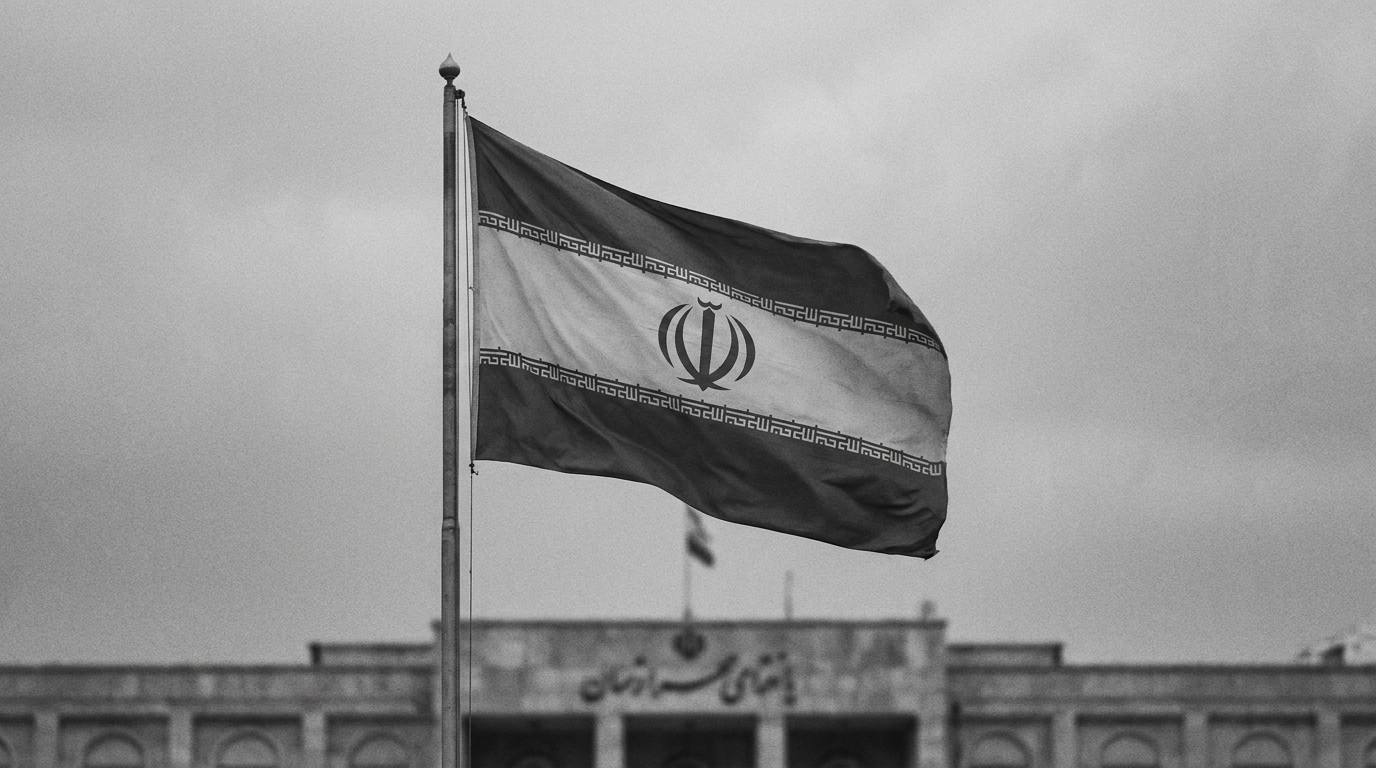
# Iran’s postwar confidence is rising; the Strait of Hormuz is the test
Iran’s posture after the US–Iran war is drawing renewed scrutiny as analysts debate whether Tehran is misreading the postwar balance and the limits of American and allied deterrence. The immediate risk is not only another direct clash, but a chain of smaller escalations tied to shipping security around the Strait of Hormuz.
The Strait
The war, as framed in the signal, began as a confrontation centered on Iran’s nuclear program before widening into a broader contest that also touched Iran’s domestic repression, missile capabilities, support for regional allies, and perceived threats to Israel. In that telling, the conflict’s center of gravity has since shifted toward the regional waterways and the credibility of red lines.
The Strait of Hormuz is a narrow maritime corridor linking the Persian Gulf to the Gulf of Oman and the wider Indian Ocean. It sits between Iran and Oman, and it functions as the main exit route for Gulf energy exports; any sustained disruption tends to ripple quickly through freight, insurance, and oil pricing.
Iran’s regional posture is often discussed alongside its relationships with non-state partners and with neighboring Gulf states that coordinate policy through forums such as the Gulf Cooperation Council (GCC). In parallel, the broader security architecture includes US forces in the region and Israel’s military, referred to as the Israel Defense Forces (IDF), all operating under shifting political constraints after the war described in the signal.
The Strait
Even limited incidents at sea can impose outsized costs because commercial shipping depends on predictable routing, manageable insurance premiums, and clear rules of engagement. If Tehran, Washington, or their partners treat ambiguity as advantage, the Strait of Hormuz can become the arena where a symbolic show of strength turns into a measurable economic shock.
The spillover is not confined to oil. The Middle East’s other key chokepoint, Bab al-Mandab, connects the Red Sea to the Gulf of Aden; disruption there can compound strain on global supply chains already sensitive to risk pricing. For regional governments, the strategic question is whether postwar deterrence is stable enough to keep these waterways open without forcing countries into sharper alignment choices.
By 2026-08-15, watch for any explicit, on-the-record statement from a named Iranian government or military institution defining new operational rules for shipping in or near the Strait of Hormuz, or any corresponding change announced by the US Navy or relevant Gulf states about escorting, boarding, or interdiction practices. If formal rules are clarified and matched by a reduction in reported maritime incidents, it would support the case that both sides are prioritizing de-escalation; if rhetoric hardens while operational behavior at sea becomes more confrontational, it would point to rising miscalculation risk around the chokepoint.