US-Iran clashes disrupt Strait of Hormuz shipping
A vague clause from a Trump-era peace deal is being cited as the trigger for renewed hostilities in the Strait, raising trade, insurance and energy risks.
Mateo Fernandez ·
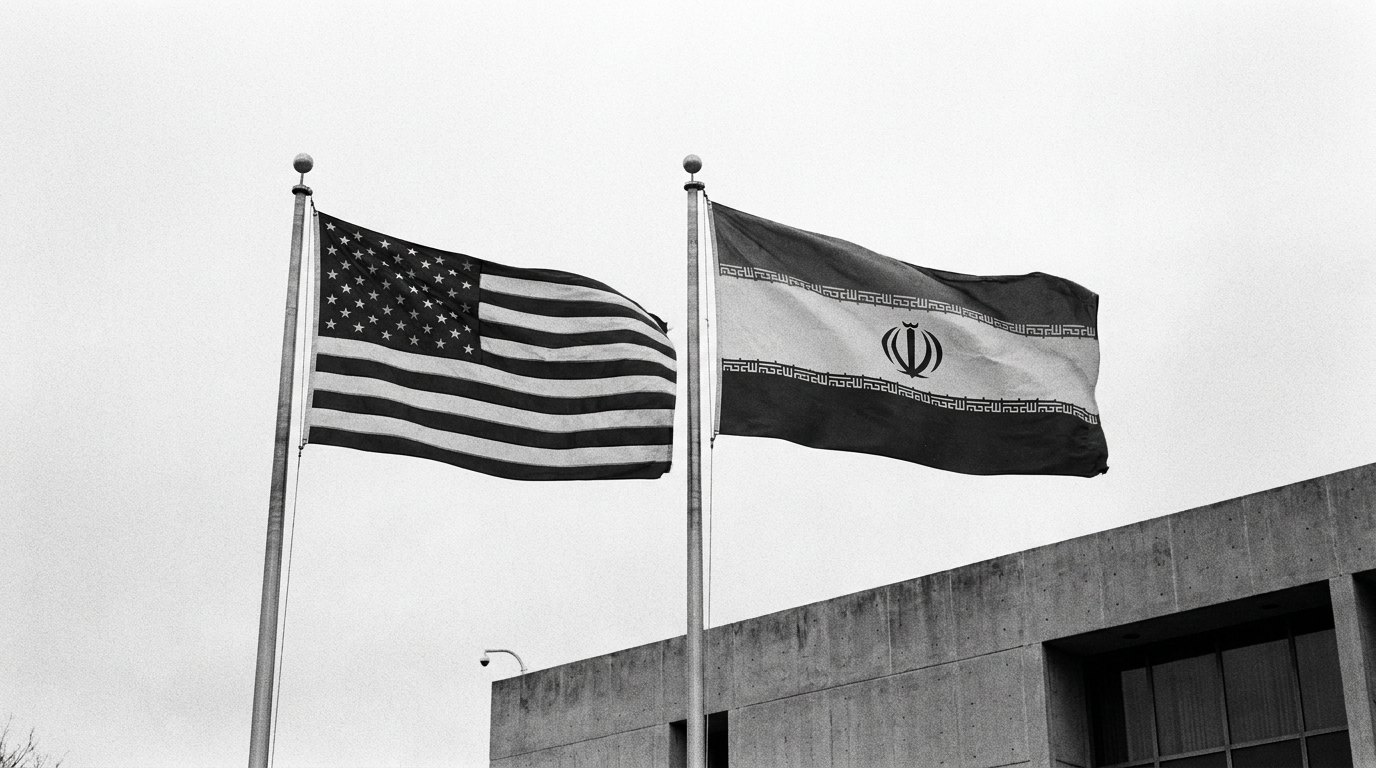
Hostilities between US and Iranian forces resumed in the Strait of Hormuz on July 11, 2026 after a disputed clause dating to a Trump-era agreement was cited by regional commanders, officials said. Markets and trading desks were monitoring routes and cover, market reaction pending.
Strait of Hormuz shipping disruption
Officials said the clause left transit rights and rules of engagement undefined, creating divergent legal readings that escalated into confrontations between naval escorts and local patrols. The absence of clear enforcement language has, officials said, removed the threshold that previously constrained on-water clashes.
Analysts said the immediate operational consequence is higher short-term risk for tankers and bulk carriers transiting the strait. Insurers and charterers have started reassessing exposure and contractual cover, officials said, and some commercial operators are exploring alternative routings and scheduling adjustments to limit near-term exposure.
Officials noted the shock is not only local: the strait remains a central artery for regional seaborne trade, and any prolonged disruption would raise freight costs and push insurers to widen war-risk premiums. Diplomatic channels have signalled a need to revisit the clauses in question, officials said.
Expectations now hinge on near-term talks and commercial reactions: insurers and ship operators will set new risk assessments within 72 hours, and those repricings will determine whether disruption becomes a short-lived spike or a sustained trade-cost shock.