Iran Denies Supreme Leader Mojtaba Khamenei Injured
Iran's Foreign Minister Abbas Araqchi denied claims on March 14 that Supreme Leader Mojtaba Khamenei was injured, refuting U.S. allegations.
Lauren Collins ·
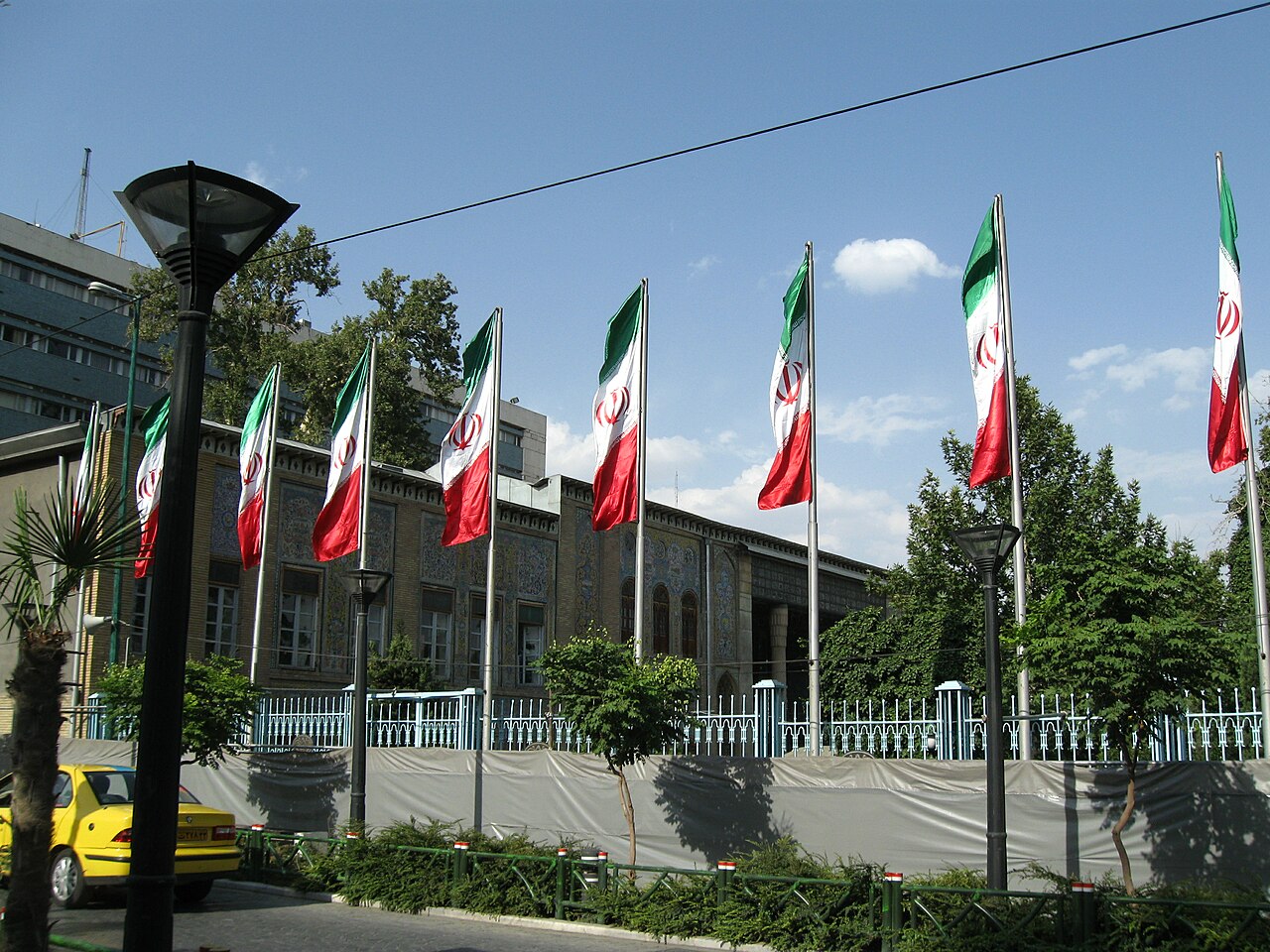
Iran's Foreign Minister, Abbas Araqchi, publicly refuted claims regarding the health of Supreme Leader Mojtaba Khamenei on Saturday, March 14. Araqchi stated that the Supreme Leader is in good health, directly addressing earlier assertions from a U.S. official.
This denial came in response to comments made on Friday, March 13, by U.S. Defense Secretary Pete Hegseth. Hegseth had alleged that Khamenei sustained injuries and was potentially disfigured, creating speculation about the new leader's physical condition.
Official Rebuttal from Tehran
The Iranian Foreign Minister's statement, delivered during an interview with MS Now, aimed to counter the uncertainty generated by the U.S. Defense Secretary's remarks. The swift response from Tehran underscores the sensitivity surrounding the Supreme Leader's well-being and the stability of the new leadership.
Mojtaba Khamenei's recent ascension to the role of Supreme Leader has been a significant political transition within Iran. The health of the Supreme Leader is a critical factor in the country's political landscape, influencing both domestic stability and international perceptions.
Context of Leadership Transition
The transition of leadership in Iran often involves careful management of public information, particularly concerning the health of high-ranking officials. The Supreme Leader holds ultimate authority in Iran, making any questions about their health a matter of national and regional importance.
Historically, rumors and official statements regarding the health of Iranian leaders have frequently emerged, especially during periods of political change or heightened international tension. Such reports can influence market sentiment and geopolitical calculations.
International Implications
The U.S. Defense Secretary's initial claims, followed by Iran's categorical denial, highlight the ongoing information warfare and diplomatic tensions between Washington and Tehran. Public statements from high-level officials on either side are often scrutinized for their potential impact on policy and regional dynamics.
This incident reflects broader geopolitical dynamics where the health of a nation's top leader can become a point of contention and speculation. The Iranian government's quick action to dismiss the rumors suggests an effort to project an image of stability and control during a sensitive period.
Outlook on Stability
The immediate aftermath of such exchanges typically involves close monitoring by international observers for any further developments or official communications. The focus will remain on the perceived stability of Iran's leadership and its implications for regional security and global energy markets.
Maintaining a clear and consistent narrative about the Supreme Leader's health is crucial for the Iranian government to prevent internal unrest and external interference. The incident underscores the strategic importance of information control in modern international relations.
Implications
Country Impact: The incident highlights the Iranian government's sensitivity to information regarding its leadership, aiming to project stability. It could reinforce internal unity around the new Supreme Leader.
Industry Impact: While no direct industry impact is immediately apparent, any perceived instability in Iran's leadership could indirectly affect global oil markets due to Iran's role as a major energy producer.
Market Impact: The swift denial by Iran aimed to mitigate any potential market volatility that could arise from uncertainty about the Supreme Leader's health, particularly in regional asset classes.