Iranians Respond to U.S. Ultimatum on Hormuz Deadline
Iranians reacted Tuesday as a U.S. ultimatum set an 8 p.m. Eastern deadline on reopening the Strait of Hormuz, raising strike fears.
Lauren Collins ·
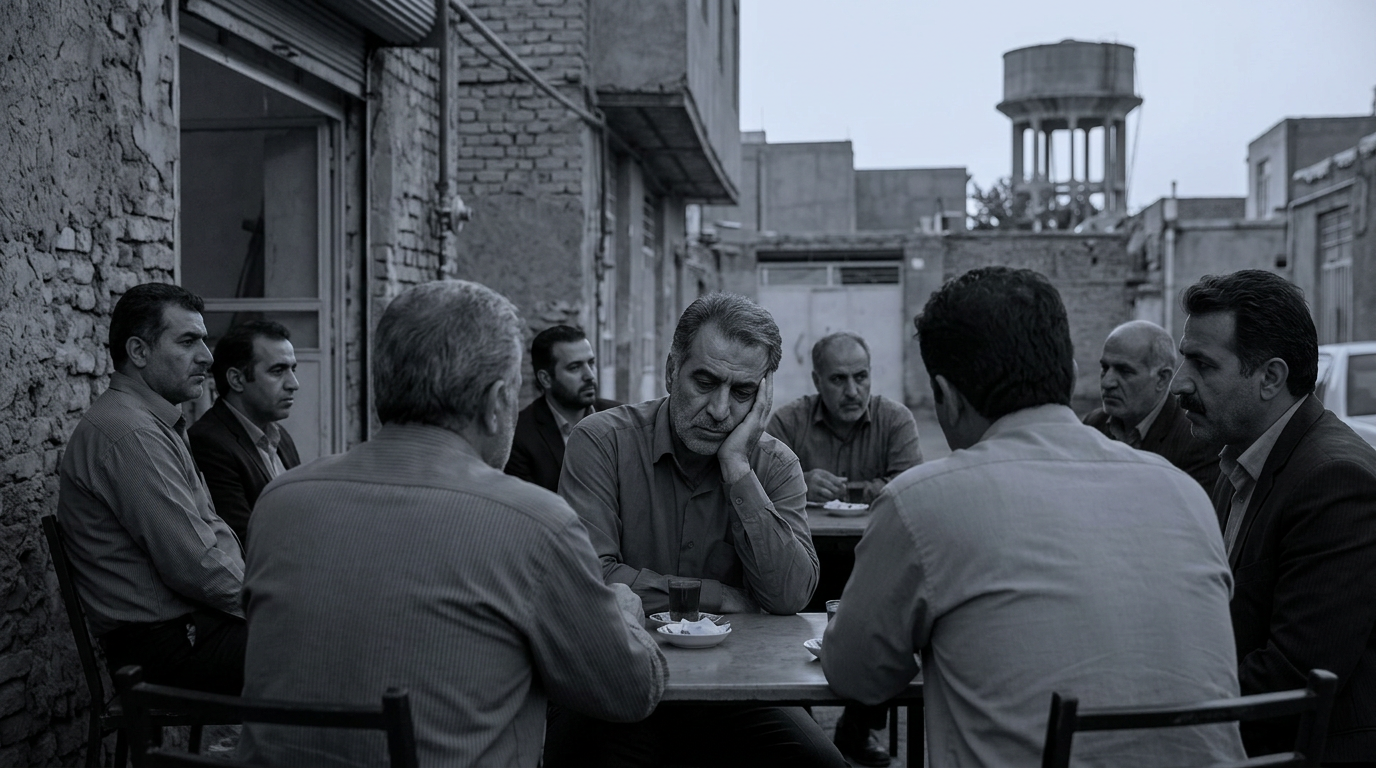
Iranians voiced a range of reactions on Tuesday—defiance, indifference, and confusion—as a deadline neared for possible U.S. military action against Iran, according to accounts from inside the country. The ultimatum, issued by then-President Trump, set a time limit tied to the Strait of Hormuz and raised the prospect of strikes if Iran did not comply.
Officials said the warning threatened attacks on Iranian civilian infrastructure, listing power plants, desalination facilities, oil installations, and bridges. The demand was that Iran reopen the Strait of Hormuz by 8 p.m. Eastern time, with the deadline framed as a trigger for potential U.S. action.
The threats followed a sequence of events that included the downing of a U.S. jet over Iran on Friday and the rescue of two U.S. airmen afterward. Trump also renewed rhetoric about the scale of potential U.S. force, saying, “The entire country can be taken out in one night,” while again referencing civilian targets.
Legal experts indicated that striking civilian infrastructure could violate international law and could amount to a war crime. Their comments focused on the nature of the targets described in the ultimatum, rather than on military-to-military objectives.
On the ground, some Iranians described daily life continuing despite the looming deadline. A Tehran arts worker identified as Lili said she did not plan to leave the city or stockpile supplies, adding that she did not see where people could go to find safety.
Mohsen Borhani, a law professor at Tehran University, questioned how a U.S. president could, in his view, undercut American values and the post-World War II global order. He also said military pressure would not force Iran’s leadership to surrender, arguing that coercion would not produce capitulation.
The standoff also appeared to reshape political sentiment among some Iranians. Accounts indicated that people who had previously opposed their own government were now expressing support for Iran in the face of what they viewed as an external threat.
In a message directed at Americans on social media, prominent Iranian businessman Pedram Soltani warned that U.S. action could trigger a humanitarian catastrophe, disrupt the global economy, and fuel anti-American sentiment internationally. He specifically pointed to the risk of Iranian retaliation against Gulf infrastructure, which he said could send oil prices sharply higher.