
Meta Disrupts Iranian Influence Network on Instagram
Meta disrupted an Iranian influence operation on Instagram and Facebook, removing 300 accounts using AI-generated personas to target U.S. users.
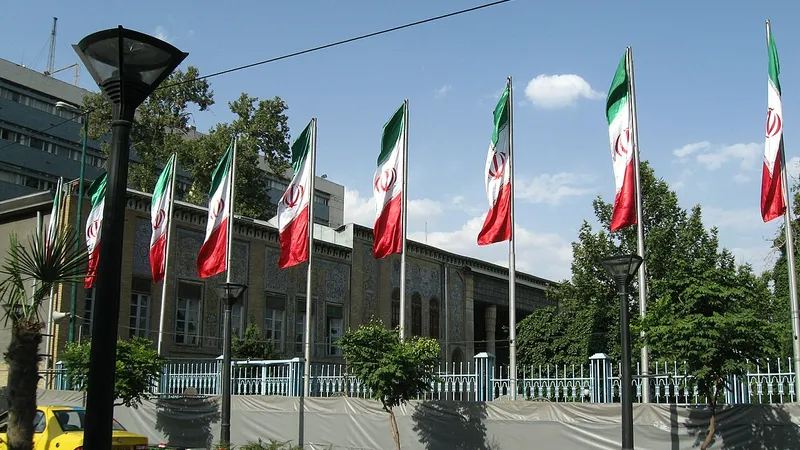
Meta Platforms recently dismantled an Iranian influence operation that leveraged artificial intelligence and fabricated identities across its Instagram and Facebook platforms. The sophisticated network aimed to cultivate relationships with American users before disseminating political content. This action underscores ongoing efforts by social media companies to counter state-backed disinformation campaigns.
This particular operation utilized approximately 300 accounts and pages, which were subsequently removed. The network's strategy involved creating detailed fake personas, some with AI-generated profile pictures, to appear as journalists, commentators, or ordinary citizens. These fabricated identities were designed to enhance credibility and obscure their true origins.
Operation's Tactics and Targets
The influence campaign extended its reach by establishing what appeared to be grassroots media brands. These entities blended general news with specific political messaging, a tactic intended to legitimize the accounts and mask coordinated activities. The primary target audience for this content was English-speaking users within the United States.
Content disseminated by the network frequently criticized Israeli policies and U.S. foreign policy in the Middle East. These thematic elements are consistent with previously identified Iranian influence operations, suggesting a continuity in strategic objectives.
Detection and Disruption
Meta's security teams detected the operation late last year. The identification process relied on uncovering coordinated inauthentic behavior and establishing links to prior Iranian influence activities. While the network had not achieved substantial user engagement before its disruption, its sophisticated methodology posed a potential threat.
Initial activity for this specific campaign was observed on the social media platform X (formerly Twitter) in 2024. The operation subsequently expanded its presence to Facebook and Instagram by mid-2025, indicating an adaptive approach to platform utilization.
Broader Context of Influence Operations
The disruption highlights the persistent challenge social media companies face in combating state-sponsored disinformation. Such operations often seek to sow discord, influence public opinion, and undermine democratic processes by exploiting the open nature of digital platforms. Governments and intelligence agencies worldwide continue to monitor and report on these evolving threats.
Meta, along with other major tech firms, has invested significantly in AI-driven detection systems and human intelligence to identify and remove these networks. The ongoing cat-and-mouse game between platform security and malicious actors necessitates continuous adaptation and resource allocation to protect information integrity.
Implications
Country Impact: The operation targeted U.S. users with political messaging, aiming to influence public discourse on Middle East policy. This reflects ongoing foreign attempts to shape American public opinion and potentially impact political outcomes.
Industry Impact: Social media platforms face continuous pressure to detect and neutralize sophisticated influence operations. This incident underscores the need for ongoing investment in AI-driven detection and human analysis to combat evolving disinformation tactics.
Market Impact: While direct market impact is limited, the incident highlights geopolitical tensions that can indirectly affect investor confidence in tech platforms' ability to maintain secure environments. It also reinforces the regulatory scrutiny on social media content moderation.
More stories
- Houthis hit Riyadh airport after 12 killed
- Yemen Cabinet backs Houthi terrorist label after 12 deaths
- Washington weighs a harder bargain for Israel’s next defense aid pact
- Turkey-Israel spat puts Washington’s Gaza diplomacy in a tighter corner
- Mashreq CEO Abdelaal joins 15-member Swift board
- Sudan strikes kill 112, rights group says
- PayPay IPO Prices Below Target Amid Market Volatility
- South Africa Summons US Envoy Over Court Remarks
- Iraq Becomes Battleground in US-Iran Conflict
- Iran Threatens Hormuz Shipping, Targets Dubai