

Nepal Floods: Hundreds Missing, Including Foreigners, Near Tibet Border
Flash floods and landslides near the Nepal-Tibet border have left 403 people missing, including 341 foreign nationals, amid ongoing monsoon rains.
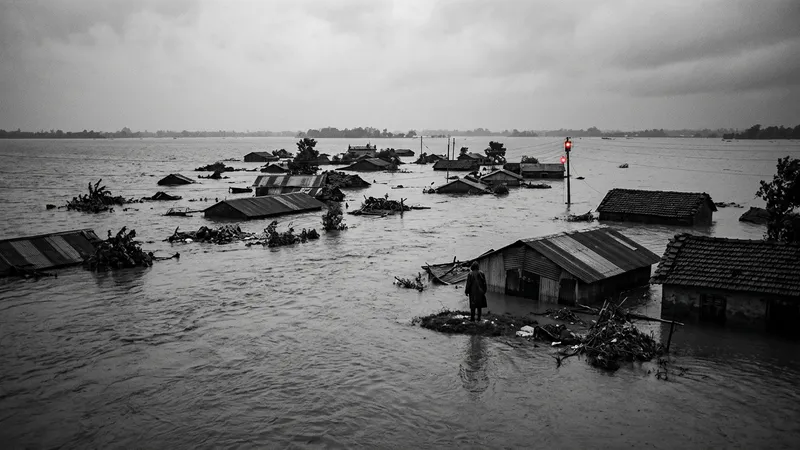
Severe monsoon rainfall along the Nepal-Tibet border has triggered flash floods and landslides, resulting in 403 individuals reported missing, according to figures released by the Nepal Tourist Board on Wednesday. The missing population includes 341 foreign citizens, indicating a significant impact on both local communities and international visitors to the region.
Among the foreign nationals unaccounted for are 34 Australian citizens, 33 United Kingdom nationals, 47 United States citizens, and 24 Canadian citizens. The overall group of missing persons comprises 203 men and 200 women. Authorities have initiated extensive search and rescue operations in response to the widespread disappearances.
Disrupted Communications and Search Efforts
The intense monsoon season has caused rapidly increasing water levels and extensive landslides, particularly affecting popular trekking routes in the border areas. These natural events have severely disrupted communication networks and blocked access to numerous remote locations, significantly hindering the efforts of emergency teams attempting to locate those missing.
Despite the challenges posed by damaged infrastructure and isolated zones, comprehensive search operations are actively underway. All tourism activities in the affected border regions have been temporarily suspended to prioritize rescue missions and ensure public safety, allowing emergency services to operate without additional traffic or potential new emergencies.
International Cooperation and Regional Vulnerability
Diplomatic missions are closely coordinating with Nepalese officials to ascertain the status of their citizens. This crucial international collaboration is supporting rescue teams as they strive to access previously unreachable areas. Officials anticipate that the number of confirmed casualties may change as access to isolated locations improves over the next 48 to 72 hours.
Nepal's unique geographical features, characterized by towering mountain ranges and deep river valleys, make it particularly vulnerable to natural disasters during its annual monsoon season. This period, typically running from June to September, frequently brings heavy rainfall, leading to floods and landslides that often devastate communities and critical infrastructure. Historical incidents consistently highlight the logistical difficulties in reaching remote areas and delivering aid during such crises.
Economic Consequences and Future Outlook
The current situation mirrors patterns from previous years when Nepal has contended with severe challenges from monsoon flooding. These events not only endanger human lives but also inflict long-term consequences on agriculture, infrastructure, and the vital tourism sector, which contributes significantly to economy. Rebuilding efforts following such extensive destruction often necessitate substantial international support and resources.
Given the rugged terrain and the region's reliance on trekking tourism, a disruption of this scale can generate cascading economic effects. The immediate focus remains on emergency response, with longer-term strategies aimed at restoring essential services and supporting affected communities.
More stories
- US, China discuss reciprocal nuclear-facility visits
- Burnham says Brexit vote faced Russian meddling in 2016
- Russian strikes hit Ukraine plants after Trump ceasefire statement
- Saudi flights divert after Dammam airport targeted
- US said to threaten Ukraine weapons, intelligence aid
- Riyadh airport hit again as Trump weighs US role
- US Imposes Fresh Sanctions Targeting Pro-Palestinian Activist Networks
- Washington Presses Beijing on Iran Sanctions Amid Market Calm
- Energys Group Expands UK Operations with Dual Acquisitions
- US Navy Unveils AIM-424 'Malice' Missile for F-35C Jets