Iranian Exiles Seek US Endorsement for Future Leadership
Iranian exile leaders, including Maryam Rajavi and Reza Pahlavi, are seeking U.S. endorsement for future leadership roles in Iran.
Lauren Collins ·
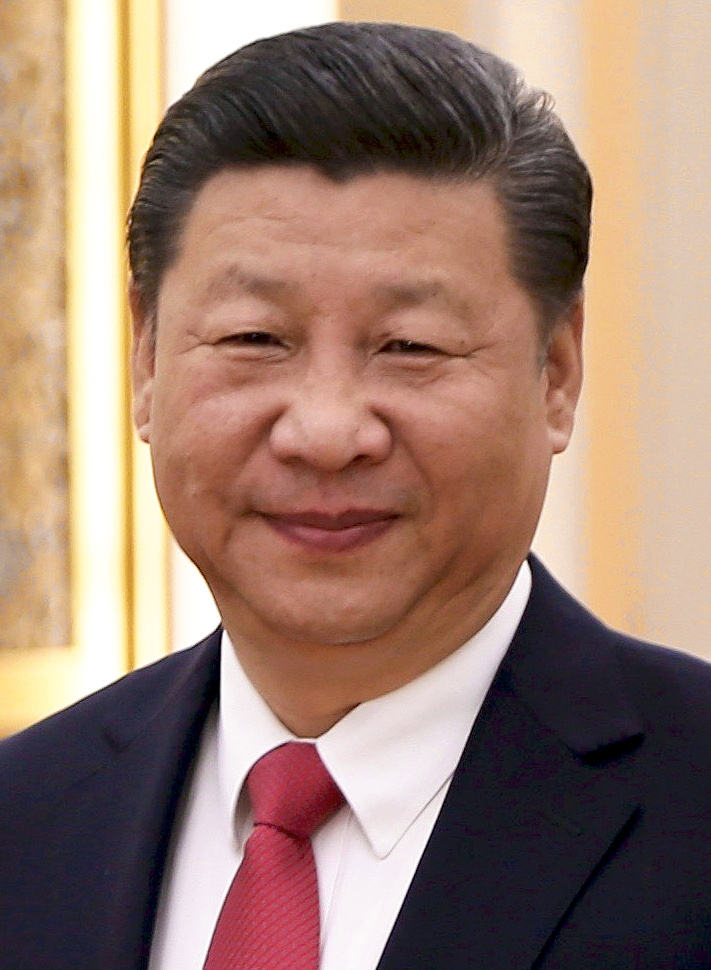
Prominent Iranian opposition figures are actively engaging with U.S. officials to secure endorsement for leadership roles in a potential future Iranian government. This diplomatic outreach intensified following recent U.S. military actions in the region, prompting various exile factions to position themselves for international recognition.
Among those seeking U.S. backing are Maryam Rajavi, who heads the Mujahedin-e Khalq (MEK), and Reza Pahlavi, the son of Iran's last monarch. Both individuals have been cultivating relationships within U.S. political circles, aiming to present themselves as viable alternatives to the current Iranian administration.
Opposition Leaders Engage Washington
Reza Pahlavi, who maintains that he commands significant popular support within Iran, has also expressed his readiness to lead a transitional government. Pahlavi has focused on building connections with the White House and has received endorsements from certain Washington insiders. His efforts are aimed at presenting a unified front and gaining official U.S. recognition.
U.S. Stance on Exile Leadership
Former U.S. President Donald Trump, when asked about Reza Pahlavi as a potential leader for Iran, acknowledged Pahlavi as a "very nice person." However, Trump indicated that the U.S. had not thoroughly considered such a prospect, suggesting that an internal Iranian figure might be "more appropriate" for future leadership. This reflects a cautious approach by the U.S., potentially informed by past experiences with external interventions and the complexities of installing exile leaders.
Historical Context and Future Implications
The ongoing efforts by these figures to gain international recognition are crucial for their long-term viability. However, the ultimate success of any future government in Iran would likely depend on broad internal support and a clear path to democratic transition, rather than solely on foreign endorsement. The U.S. position suggests a preference for an organic, domestically-driven political evolution within Iran.
Implications
Country Impact: The internal political landscape of Iran remains complex, with various opposition factions vying for influence. The lack of a unified front among exiles could complicate any future transition, potentially leading to internal power struggles.
Industry Impact: The political uncertainty surrounding Iran's future leadership could impact global energy markets, particularly oil prices, given Iran's significant role as an oil producer. International businesses may also face continued challenges in engaging with the Iranian economy.
Market Impact: Global financial markets may react to any significant developments regarding Iran's political stability. Increased geopolitical tensions or clarity on future leadership could influence investor sentiment towards Middle Eastern assets and broader emerging markets.