US-Israeli Strikes Target Iran as Nuclear Talks Falter
US-Israeli strikes across Iran continued on April 1, 2026 as talks stalled, oil volatility rose, and international restrictions and ceasefire plans emerged.
Lauren Collins ·
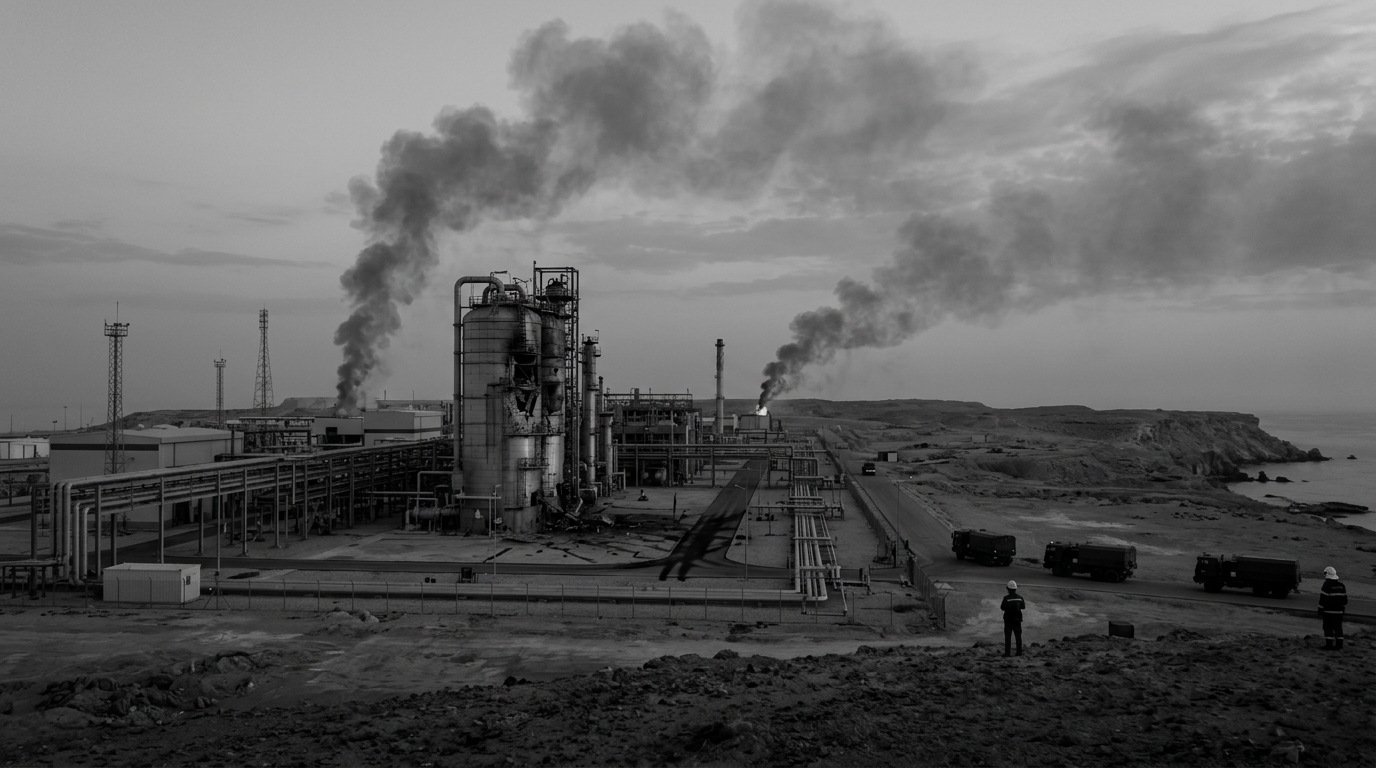
United States and Israeli forces continued air attacks across Iran on April 1, 2026, with Iranian state media and the Red Crescent reporting strikes on a mix of industrial and civilian locations. The reported targets included pharmaceutical facilities and steel plants in cities such as Isfahan and Farokhshahr. Iranian accounts also said the campaign affected port infrastructure and a desalination plant on Qeshm Island.
At the same time, Israeli operations continued in Lebanon. Defense Minister Israel Katz said Israel planned to demolish homes in the south and prevent the return of displaced Lebanese, according to the account in the source material. The developments widened the regional footprint of the conflict as military activity persisted on multiple fronts.
Diplomatic signals described in the source remained limited and contested. Iranian Foreign Minister Abbas Araghchi said messages had been exchanged with Washington, but he added that Tehran has no trust in the U.S. and that no negotiations are underway. In Washington, U.S. President Donald Trump said the conflict could end within two to three weeks without a deal, and Defense Secretary Pete Hegseth described the approach as the U.S. “negotiating with bombs.”
Outside observers cited in the source questioned the likelihood of a rapid end. Analyst Trita Parsi said a quick resolution is unlikely and stated that Iran is expected to maintain control over the Strait of Hormuz. The strait is a critical maritime chokepoint for global energy shipments, and any sustained tension around it can amplify uncertainty for energy markets and trade-linked economies.
The human toll described in the source has been severe. The conflict has resulted in over 2,000 Iranian fatalities, and the source reports attacks on numerous civilian sites, including hospitals and schools. The breadth of reported targets, spanning industrial facilities and public infrastructure, has raised the stakes for essential services and supply chains inside Iran.
International constraints and proposals also emerged. Spain, France, and Italy have restricted U.S. military operations, while China and Pakistan proposed a five-point ceasefire plan, according to the source. These moves underscored how allied basing, overflight, and diplomatic positioning can shape the operational environment and the pace of escalation or de-escalation.
Market effects were already visible in the source account, which said the war has pushed oil prices higher and increased volatility in global energy markets. S. Senator Chris Coons pointed to rising costs for American families, linking the conflict’s energy impact to household inflation pressures. S. officials and how long disruptions to energy sentiment and regional security conditions may persist.