Trump Proposes Strategic Petroleum Reserve Release
Former U.S. President Trump proposed tapping the Strategic Petroleum Reserve to counter rising energy costs amid the Iran conflict.
Lauren Collins ·
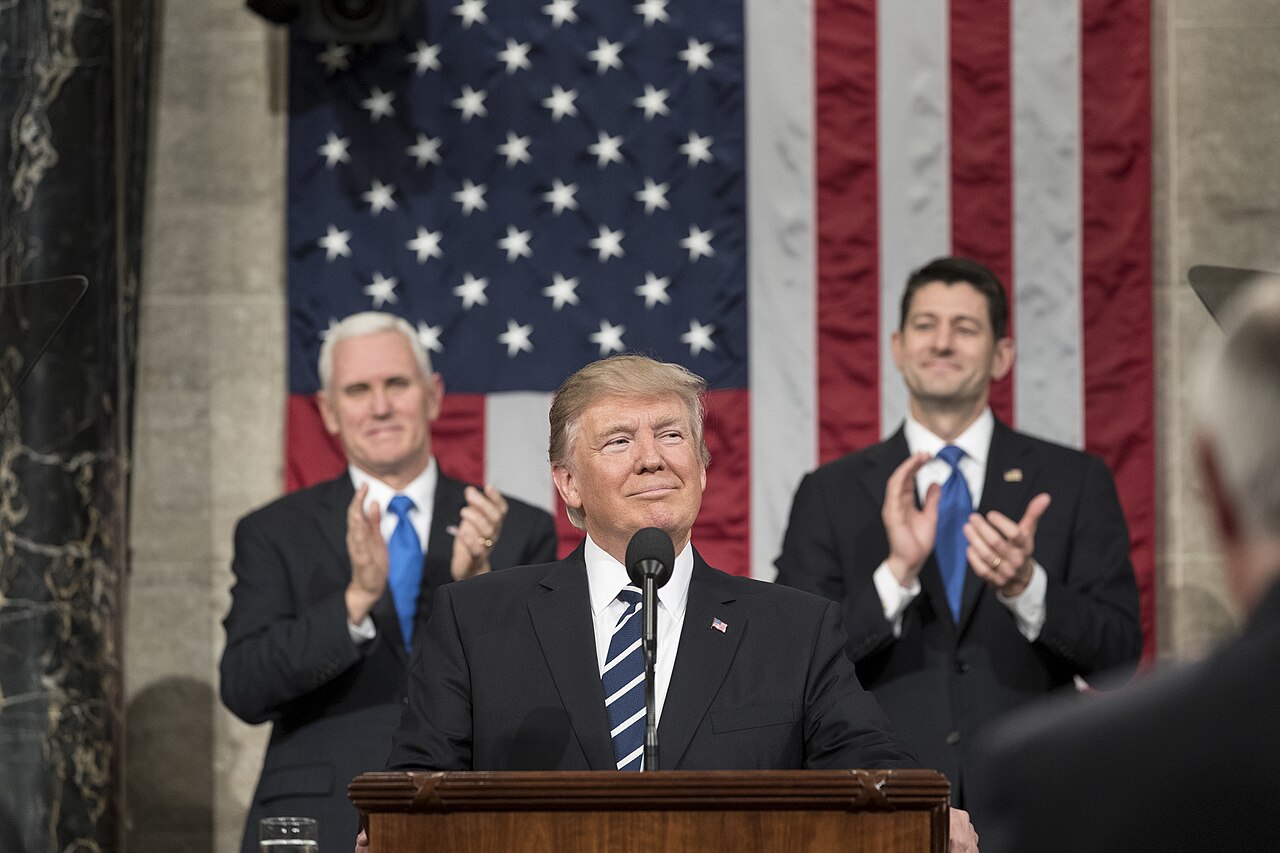
Former U.S. President Donald Trump indicated on Wednesday his intention to utilize the Strategic Petroleum Reserve (SPR) to address escalating energy expenses. This proposal comes amidst the ongoing conflict in Iran, which has contributed to significant disruptions in global oil supply chains.
Average gasoline prices in the United States have recently climbed to approximately $3.58 per gallon. This figure represents a substantial increase of nearly 22% compared to the previous month's average of $2.94 per gallon, highlighting the pressure on consumer costs.
International Response to Oil Volatility
Trump's statement coincides with a broader international initiative to stabilize the global oil market. The International Energy Agency (IEA), a consortium of 31 member countries, recently committed to releasing 400 million barrels of oil from its collective reserves. This coordinated action marks the largest release in the IEA's more than five-decade history.
This measure by the IEA aims to counteract supply shortages and mitigate price volatility stemming from geopolitical events. The United States, as a key member of the IEA, would typically participate in such coordinated efforts.
U.S. Strategic Petroleum Reserve Capacity
The U.S. Strategic Petroleum Reserve currently holds 415 million barrels of crude oil. This volume represents approximately 58% of its authorized storage capacity, which stands at 714 million barrels. The SPR was established in the 1970s following the Arab oil embargo to provide an emergency supply buffer against severe oil supply disruptions.
Historically, the SPR has been tapped during major crises, such as the Persian Gulf War in 1991, Hurricane Katrina in 2005, and the Libyan civil war in 2011. Its primary purpose is to ensure national energy security and stabilize domestic markets during emergencies.
Economic Rationale and Presidential Authority
The proposed release from the SPR is designed to increase the domestic supply of crude oil, thereby aiming to reduce gasoline prices for American consumers. The underlying economic principle is that an increase in supply, assuming constant demand, should lead to lower prices.
While former President Trump has voiced this intention, the ultimate authority to order a release from the U.S. Strategic Petroleum Reserve rests with the sitting President. Any such decision would involve careful consideration of current market conditions, geopolitical stability, and the long-term strategic implications for U.S. energy reserves.
Market Implications and Future Outlook
Should a significant SPR release occur, it could temporarily alleviate upward pressure on crude oil prices and, consequently, gasoline costs. However, the long-term effectiveness of such measures depends on the duration and intensity of global supply disruptions, particularly those linked to the Iran conflict.
Analysts will be closely monitoring official announcements from the current U.S. administration regarding participation in the IEA's coordinated release. The interplay between geopolitical tensions and global energy policy remains a critical factor for market stability.
Implications
Country Impact: A U.S. SPR release aims to lower domestic gasoline prices, potentially easing inflationary pressures on American consumers. This could offer short-term economic relief but might draw down strategic reserves.
Industry Impact: The energy sector would experience increased supply, potentially leading to a temporary dip in crude oil prices. This could affect oil producers' revenues while benefiting refiners and consumers through lower input costs.
Market Impact: Global oil markets could see reduced volatility and downward price pressure following a coordinated international release. This might stabilize energy-related equities and bond markets, but the impact's duration depends on geopolitical developments.