Iran Conflict Threatens US Economic Stimulus
The Iran conflict threatens to diminish the U.S. economic boost from increased tax refunds, as rising energy costs divert consumer spending.
Atlas Newsdesk ·
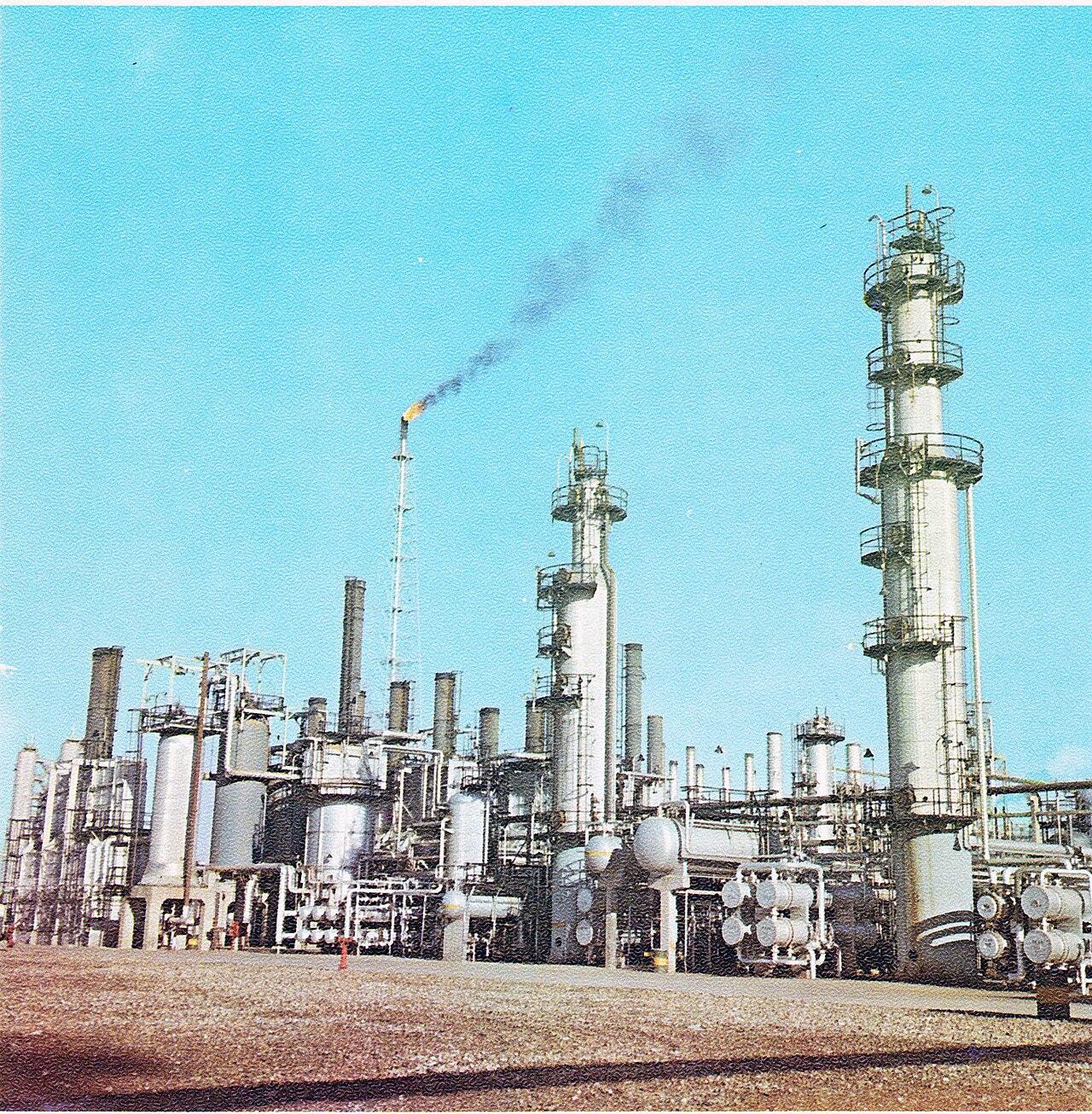
The ongoing conflict involving Iran is projected to significantly diminish the anticipated economic boost for U.S. households in 2026, despite an increase in federal tax refunds. Rising energy costs, primarily driven by the geopolitical tensions, are expected to redirect consumer spending from discretionary goods towards essential expenditures like fuel and groceries. This shift could largely offset the stimulus provided by larger tax refunds.
U.S. households recently received an average federal tax refund of $3,742, marking a 10.6% increase compared to the previous year. This influx of funds typically provides a substantial economic impetus, encouraging consumer spending and contributing to overall economic growth. However, the current geopolitical landscape introduces significant headwinds.
Rising Energy Costs Impact Consumers
Fuel prices have seen a notable increase, with the average U.S. unleaded gasoline price reaching $3.64 per gallon. This represents a $0.72 increase over the past month, directly impacting household budgets. The escalation of the conflict in the Middle East is a primary factor behind these rising oil prices, translating into higher costs at the pump for American consumers.
These elevated energy expenses are not confined to gasoline alone. Increased diesel prices, a critical component of supply chain logistics, are expected to raise operational costs across various industries. This ripple effect could lead to higher prices for a wide range of goods and services, further eroding the purchasing power of consumers.
Inflationary Pressures and Interest Rates
The inflationary pressure stemming from higher energy costs poses a challenge to economic stability. Prior to the recent escalation, inflation rates had remained steady through February. However, the current trajectory suggests a potential resurgence of inflationary pressures, which could necessitate a response from monetary policymakers.
Interest rates have already begun to reflect these economic shifts. The average 30-year fixed-rate mortgage increased to 6.41% recently, up from 5.9% before the conflict's intensification. Further sustained inflation could prompt central banks to consider additional interest rate hikes, impacting borrowing costs for consumers and businesses alike.
Disproportionate Impact on Lower-Income Households
While tax refunds may offer some relief, their overall economic benefit is anticipated to be significantly muted by these broader inflationary trends. Lower-income households are particularly vulnerable to rising fuel and grocery costs, as these essential expenses constitute a larger proportion of their disposable income. This demographic may experience a more pronounced negative impact on their financial well-being.
Economists are closely monitoring the situation, as the interplay between increased tax refunds and escalating energy prices will determine the net economic outcome for the U.S. economy. The conflict's duration and intensity will be key factors in assessing the long-term implications for consumer spending, inflation, and monetary policy decisions.
Implications
Country Impact: The U.S. economy faces headwinds as increased energy costs threaten to negate the stimulus from higher tax refunds, potentially leading to reduced consumer spending and increased inflationary pressures. This could impact overall economic growth and stability.
Industry Impact: Industries reliant on consumer discretionary spending, such as retail and hospitality, may experience reduced demand. Transportation and logistics sectors will face higher operational costs due to elevated fuel prices, potentially passing these costs onto consumers.
Market Impact: Financial markets may react to sustained inflation and potential interest rate hikes, impacting bond yields and equity valuations. Energy markets are likely to remain volatile, with oil prices influenced by geopolitical developments.