Iran War Drives Oil and Dollar Higher, Pressures Asia Currencies
The Iran war has driven oil prices up, strengthened the dollar, and boosted some stock markets, while hurting Asian currencies and specific sectors.
Atlas Newsdesk ·
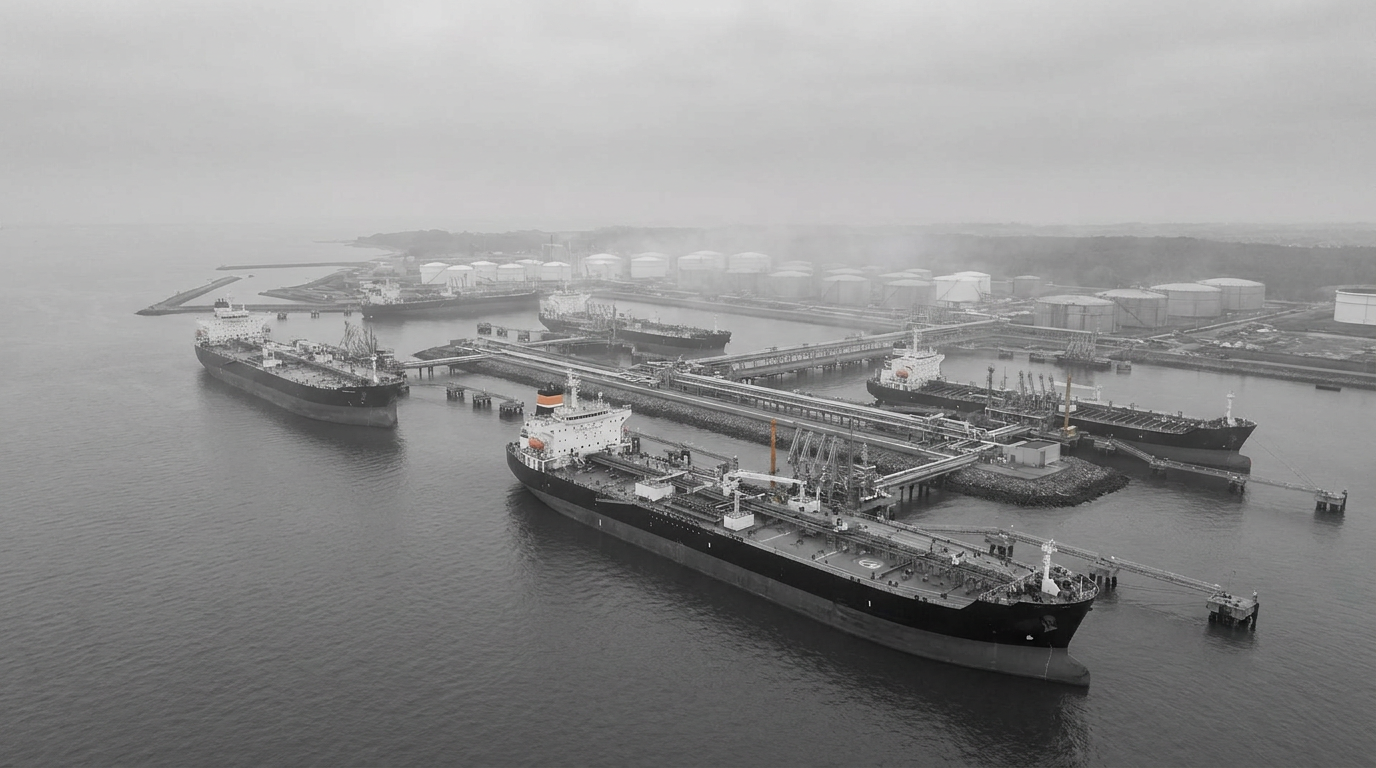
Three months after the Iran war began on February 28, 2026, persistently high oil prices have reshaped global markets, lifting the U.S. dollar and increasing inflation and interest-rate concerns. The conflict has created clear winners in energy and some safe-haven assets, while several oil-importing economies in Asia have faced currency weakness and rising cost pressures.
Oil prices have risen about 40% since the fighting started, pushing physical crude prices above $100 a barrel. The surge has complicated the outlook for inflation and interest rates, with policymakers confronting the risk that higher energy costs could keep price pressures elevated.
Officials said a record 400-million-barrel release from strategic reserves in major economies, along with efforts by traders to source alternative supplies, has helped cushion the loss of supply. Even so, the article said strain on the global energy system has been growing.
The U.S. dollar has also strengthened, gaining 1.5% against other major currencies since the conflict began. The move has been supported by demand for safe-haven assets and by higher U.S. Treasury yields, which have increased the appeal of dollar-denominated investments.
Stocks hold up, but some sectors lag
Global equities have largely absorbed the shock so far, with renewed optimism around artificial intelligence and hopes for a peace agreement helping to offset the war’s negative effects. U.S. stocks, South Korea’s Kospi, and European shares have traded near all-time highs, according to the article.
Some areas of the market have weakened. The S&P 500 passenger airlines index has fallen more than 6% since the conflict began amid global flight disruptions, while a global basket of luxury goods has dropped 10% as investors weigh the risk that inflation could curb consumer spending.
Energy importers face currency pressure
Several Asian currencies have slid to record lows against the dollar, including the Indian rupee, Indonesian rupiah, and Philippine peso. The declines have been a particular challenge for oil-importing nations, where higher energy costs can worsen trade balances and add to inflation pressures.
Markets are likely to remain sensitive to developments in the conflict, including any shifts in energy supply and signs of progress toward a peace agreement.