Israel Strikes Southern Lebanon as Iran, US Signal Shifts
Israel conducted strikes in southern Lebanon, causing casualties, while regional diplomatic and security developments unfolded.
Lauren Collins ·
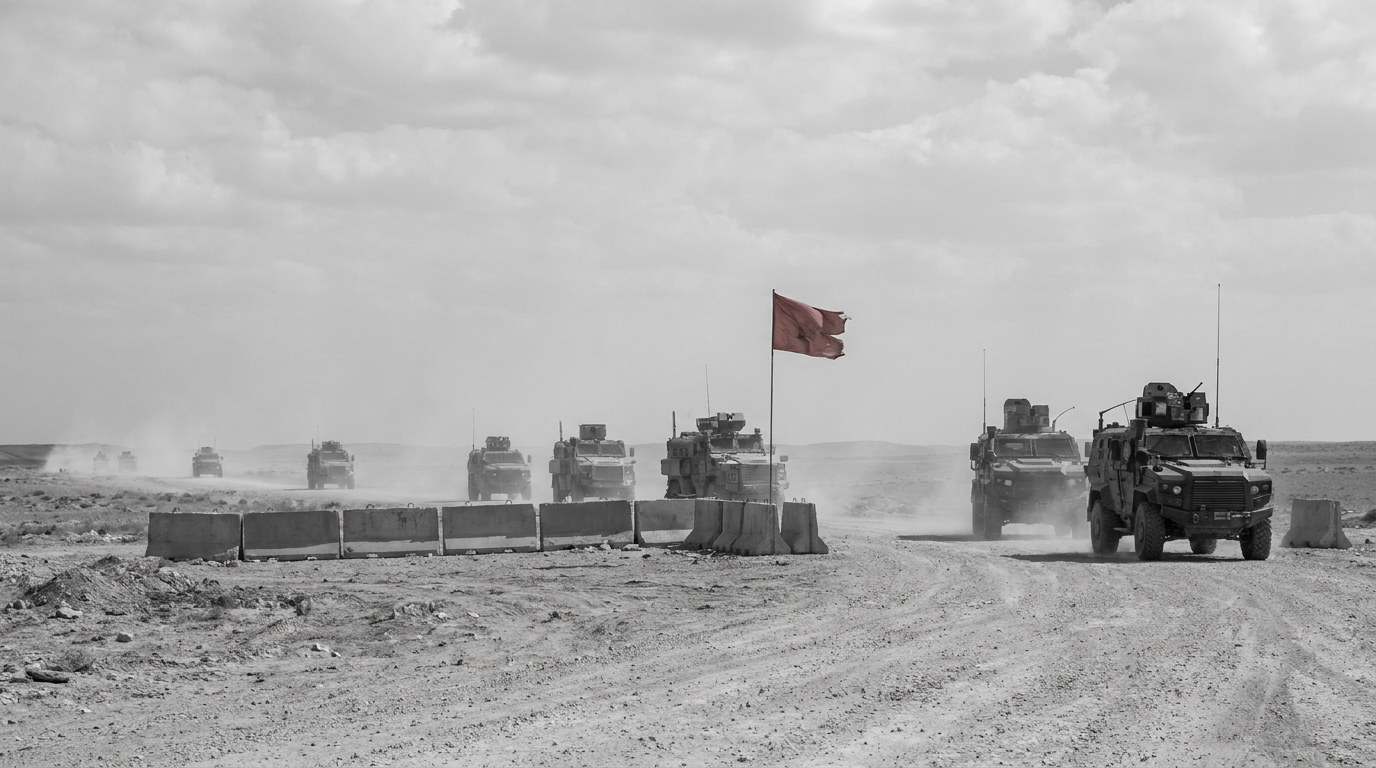
Israeli forces carried out strikes in southern Lebanon on May 25, 2026, as Lebanon marked Liberation Day, the anniversary of Israel’s 2000 withdrawal from southern Lebanon after a 22-year occupation. Lebanon’s Ministry of Public Health said 3,185 people have been killed and 9,633 injured in Israeli strikes since early March.
Israeli Prime Minister Benjamin Netanyahu said he had ordered “strong blows” against Hezbollah, according to the report. The update came as regional diplomacy and military activity continued to intersect across the Middle East.
In the United States, President Donald Trump said he would be open to Iran destroying its enriched uranium at an acceptable location. The report described the remark as a possible shift from earlier demands that Washington take control of Iran’s stockpile.
Lebanon marks Liberation Day under bombardment
Liberation Day commemorates the date in 2000 when Israel ended its occupation of southern Lebanon. The strikes reported on May 25 occurred as people gathered to observe the anniversary.
The public health ministry figures cited in the report cover fatalities and injuries since early March. No further breakdown was provided in the update.
Iran internet restoration and reports of blasts, strikes
In Iran, President Masoud Pezeshkian ordered internet access restored after a near-total blackout that lasted more than 87 days, according to state media cited in the report.
Iranian media also reported that the situation was under control after reports of explosions in the southern city of Bandar Abbas. US media later reported that the US military had conducted strikes on southern Iran, which it described as “self defence” for its forces.
Developments in Lebanon, Iran and Washington are expected to keep diplomatic and security calculations in focus in the days ahead, including any further announcements on talks involving Iranian officials.