Iran Conflict Yields No Clear Victors After Six Months
Six months into the Iran conflict, no party has emerged victorious, impacting US President Trump's approval, Iran's military and economy, and West Asian…
Mateo Fernandez ·
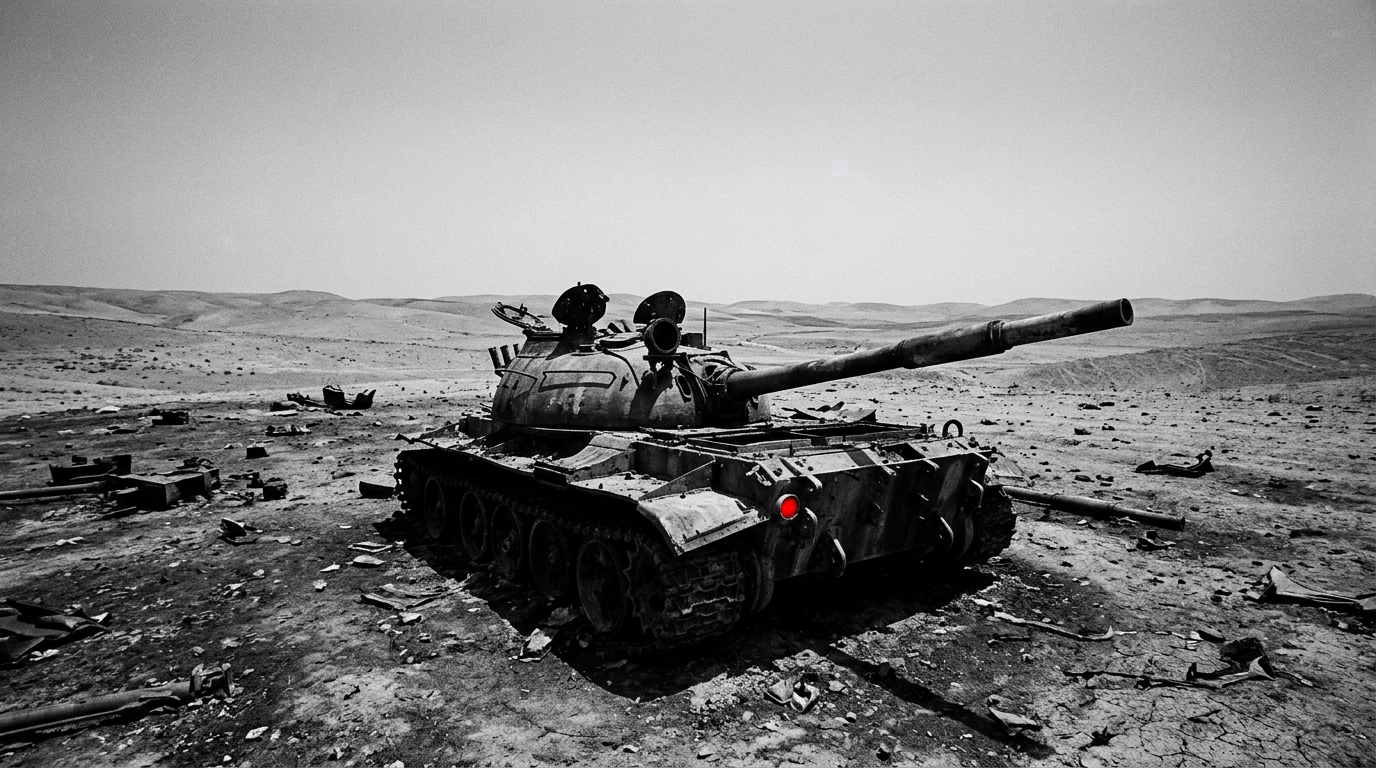
Six months of conflict involving Iran have not resulted in any definitive winners, officials have indicated. This prolonged engagement has reportedly weakened Iran's military and economic standing, while simultaneously diminishing domestic support for United States President Trump. The broader West Asian region has experienced increased instability, with diplomatic and economic ramifications extending across various sectors.
Data compiled by officials reveals a significant degradation of Iran's armed forces. Sustained strikes and substantial logistics losses are cited as primary factors in this decline. Furthermore, the nation's military expenditures, coupled with growing reconstruction demands, have placed considerable strain on state finances. Export channels and critical energy infrastructure have also faced disruptions, leading to a curtailment of revenue flows vital for the Iranian economy.
Impact on US Political Landscape
In the United States, the ongoing conflict has had measurable political consequences. Officials noted that polling data indicates a reduction in domestic approval for President Trump since hostilities commenced. This erosion of public backing complicates his political strategy, particularly as policy and resource requirements related to the conflict continue to escalate. Policymakers are now reportedly navigating increasing pressure to balance national security commitments with economic stability and upcoming electoral considerations.
Regional Security and Economic Repercussions
Across West Asia, the past six months have brought a notable increase in cross-border incidents, according to official reports. This heightened instability has directly translated into tighter insurance conditions and elevated shipping costs within the Persian Gulf. Such developments create greater trade and energy risks for numerous countries that rely heavily on these crucial maritime routes for their economic activities. Investors and governmental bodies across the region are consequently adjusting their risk assessments and developing contingency plans to mitigate potential disruptions.
Looking ahead, officials are monitoring several key indicators. By September 30, 2026, it is anticipated that developments related to diplomatic initiatives or the persistence of hostilities will significantly influence reconstruction funding, the trajectory of energy exports, and the overall security arrangements within the region. These factors are expected to be decisive in determining timelines for political stability and economic recovery throughout West Asia.
Broader Geopolitical Context
The prolonged nature of this conflict underscores a complex geopolitical environment. International efforts to de-escalate tensions and find pathways for resolution have faced considerable challenges. The interconnectedness of global energy markets means that prolonged instability in the Gulf region carries potential implications for oil prices and supply chains worldwide, affecting consumers and industries far beyond the immediate conflict zone. Stakeholders are keen to observe any shifts in international alliances or diplomatic engagements that could signal a potential turning point in the current impasse.