Iran Vows Netanyahu Assassination Amid Regional Tensions
Iran's IRGC vowed to assassinate Israeli PM Netanyahu on March 15, 2026, escalating regional tensions after US strikes and IDF actions.
Lauren Collins ·
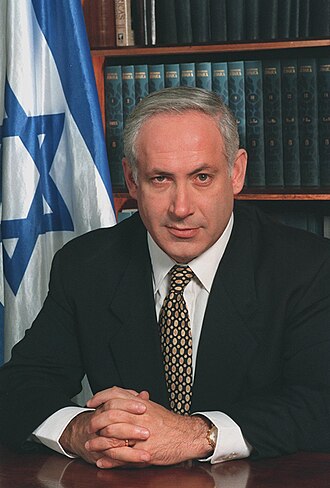
Iran's Islamic Revolutionary Guard Corps (IRGC) publicly declared its intent to assassinate Israeli Prime Minister Benjamin Netanyahu on Sunday, March 15, 2026. This statement significantly escalates already heightened regional tensions, following a series of military actions involving Iran, Israel, and the United States. The declaration underscores the widening scope of the conflict across the Middle East.
This development occurred shortly after the Israeli Defense Forces (IDF) reported the elimination of two high-ranking Iranian intelligence officials. Concurrently, U.S. forces conducted strikes against Iran's Kharg Island, a critical oil export terminal, on the preceding Friday. These events collectively signal a deepening military confrontation.
Escalating Military Engagements
The recent military actions have had immediate repercussions on global energy markets. Brent crude futures surpassed $100 per barrel for two consecutive days, reflecting a 40% increase since the initial outbreak of hostilities. This surge highlights the vulnerability of global oil supplies to regional instability.
Oil loading operations at the Fujairah port in the United Arab Emirates, a key energy hub, resumed on Sunday after a drone-related fire incident. The Strait of Hormuz, a vital maritime chokepoint for a significant portion of the world's oil shipments, continues to experience disruptions, further contributing to market uncertainty.
Diplomatic Stances and Economic Fallout
Iranian Foreign Minister Abbas Araghchi indicated Iran's willingness for regional cooperation, while simultaneously asserting that Iranian military actions are exclusively directed at American military bases and interests, not civilian populations. This distinction attempts to frame Iran's involvement within specific operational parameters.
Beyond energy markets, the escalating conflict has also impacted international events. The Formula 1 Grand Prix races scheduled for April in Bahrain and Saudi Arabia have been canceled, demonstrating the broader reach of the instability into economic and cultural spheres. The cancellation reflects concerns over security and the operational feasibility of large-scale international events in the region.
Historical Context of Tensions
The current escalation builds upon a long-standing history of animosity between Iran and Israel, often characterized by proxy conflicts and covert operations. The United States has historically maintained a strong alliance with Israel, leading to its involvement in regional security dynamics. Previous incidents, including attacks on shipping and cyber warfare, have contributed to the volatile environment.
The strategic importance of the Persian Gulf and its energy resources means that any significant disruption has global economic implications. The interplay between military actions, diplomatic rhetoric, and economic consequences defines the current phase of this complex regional conflict. International observers are closely monitoring the situation for further developments and potential de-escalation pathways.
Implications
Country Impact: The direct threats and military actions intensify the security challenges for Israel and Iran, potentially leading to further retaliatory strikes. Regional stability for Gulf nations like the UAE and Bahrain is also compromised, affecting their economic and social activities.
Industry Impact: The global energy sector faces significant volatility, with oil prices rising due to supply disruptions and geopolitical risk premiums. The cancellation of major international events like Formula 1 races impacts the sports and tourism industries in affected countries.
Market Impact: Global financial markets are likely to react with increased risk aversion, potentially leading to sell-offs in equities and a flight to safe-haven assets. Commodity markets, particularly oil, will remain highly sensitive to further developments in the region.