Iran threats rise as US rules out cease-fire extension
Iran warned of attacks on Aug. 18 as US officials rejected extending a temporary cease-fire, keeping Hormuz tanker flows and talks uncertain.
Mateo Fernandez ·
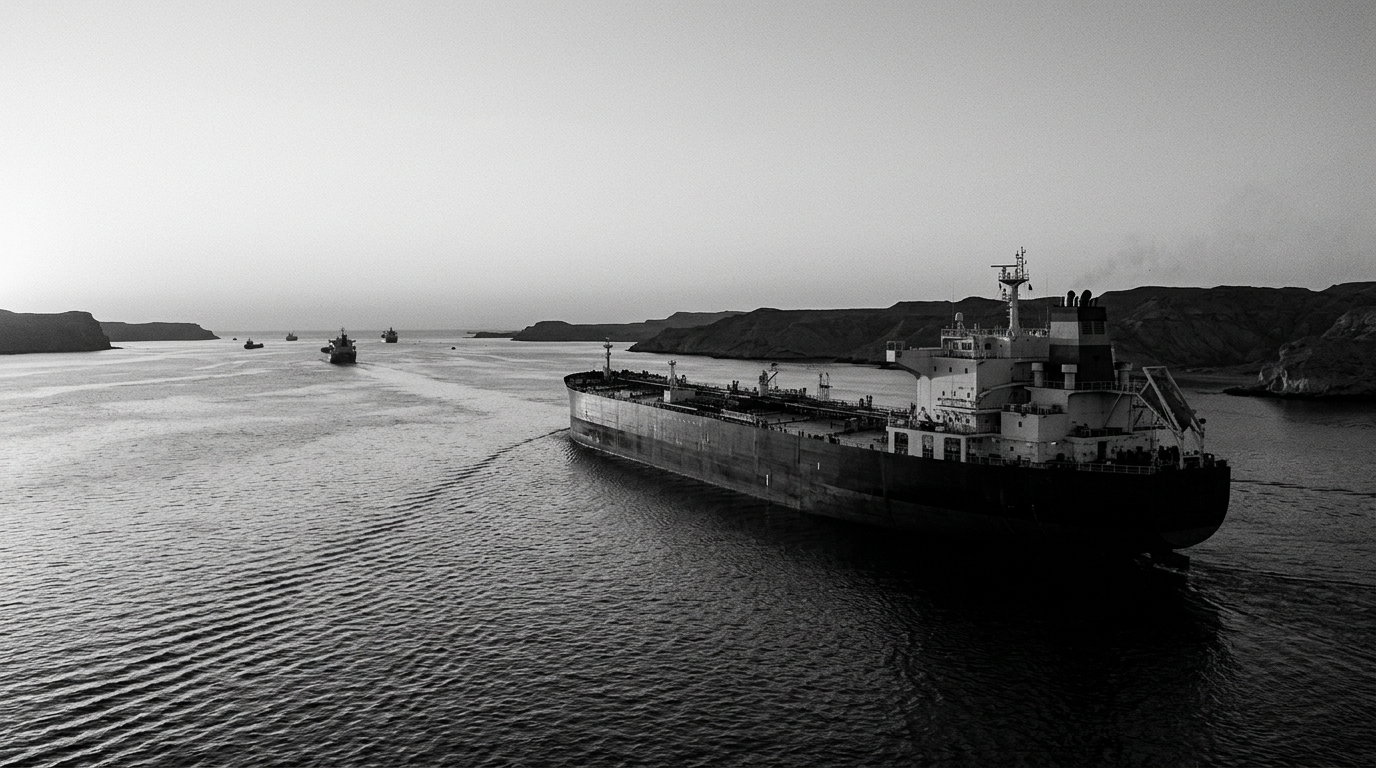
Iran issued a new warning of military attacks on August 18, while US officials said they would not extend a temporary cease-fire, a combination that officials indicated has stalled visible progress toward peace talks and the resumption of oil tanker traffic through the Strait of Hormuz.
Officials said earlier indications of movement toward renewed tanker flows have faded, leaving commercial shipping activity through the waterway constrained and the diplomatic track without a clear path to prolong the pause in hostilities.
Strait of Hormuz tanker flows show no fresh momentum Officials said efforts to restart oil tanker traffic Officials said efforts to restart oil tanker traffic through the Strait of Hormuz had stopped after earlier signs that movement might resume. The same officials said momentum toward peace talks has also slowed. The Strait of Hormuz is described as a strategic route for oil shipments, meaning any disruption can quickly become a geopolitical issue for energy markets and for shipping insurers assessing risk. With the cease-fire temporary and no extension offered by US officials, the immediate question for the shipping and energy sectors is how the latest threat is interpreted in practice by shippers, insurers, and oil traders.
The Strait How risk may transmit to costs and timing Officials said the near-term market focus is whether Officials said the near-term market focus is whether the warning is treated as a negotiating signal or as an elevated operational risk. That distinction can shape decisions on sailing schedules, coverage, and the pricing of cargo movement. Officials noted that if tanker traffic remains constrained, the channel into global markets would be expected to run through freight costs, insurance premia, and crude supply timing rather than through confirmed production losses. For Iran, officials said renewed military threats could increase the cost of diplomacy if they reduce space for talks. For the United States, officials said ruling out an extension narrows the window for a negotiated pause and shifts attention to whether regional partners and naval forces can keep commercial routes open. August 19 becomes the next near-term marker Officials pointed to August 19 as the next key point to watch, centered on whether a replacement cease-fire framework is announced or whether officials report that limits on tanker movement through the Strait of Hormuz are continuing.
Until there is clarity, the situation leaves two linked uncertainties: whether the temporary cease-fire will be replaced by another arrangement, and whether the shipping environment will allow a visible restart of tanker flows through Hormuz.