Hesai revenue jumps 22% as it pivots to robotics
Hesai reported 22% Q2 2026 revenue growth and raised SGI guidance, while outlining a shift from LiDAR hardware to a full-stack robotics platform.
Jurgen Goldmeier ·
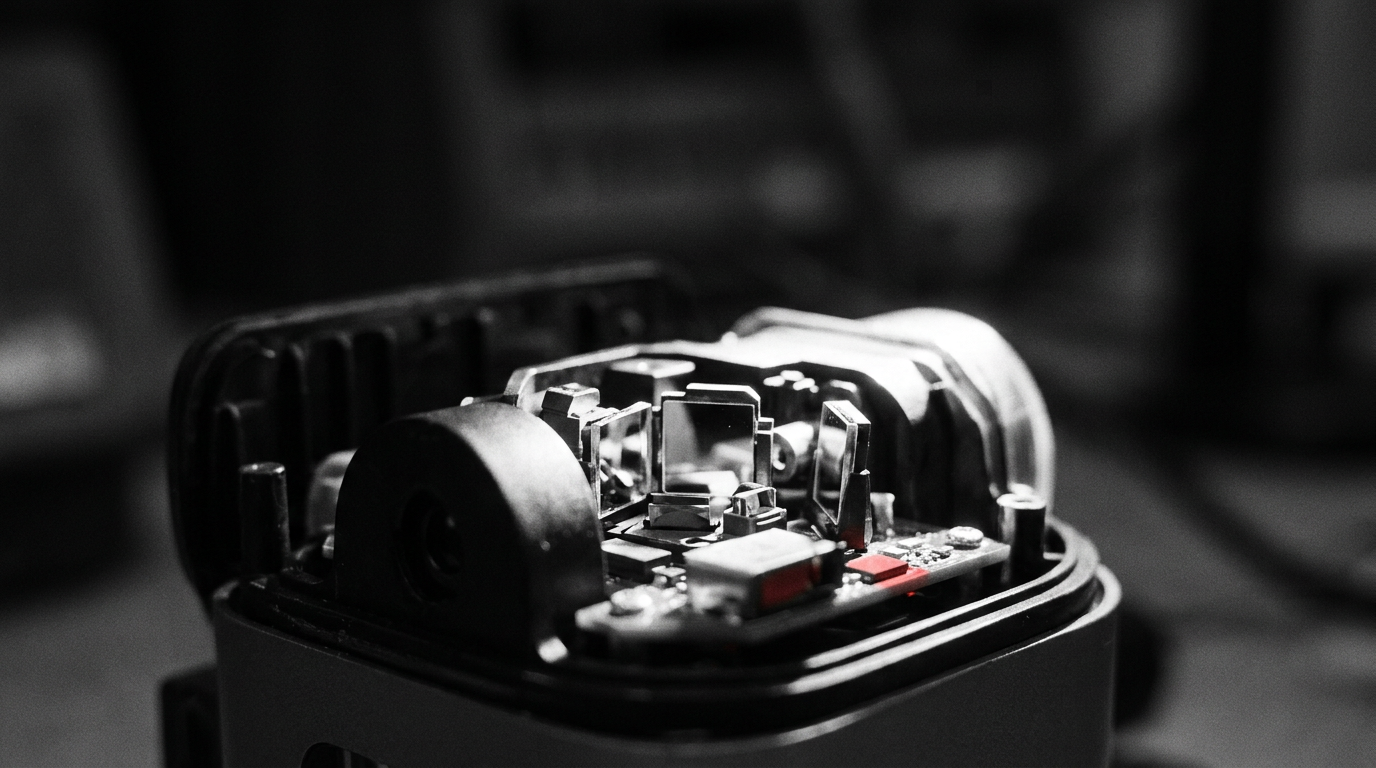
Hesai Group (HSAI) reported a 22% increase in revenue for the second quarter of 2026 and, in the same update, lifted its SGI guidance.
Alongside the results and outlook change, the LiDAR maker told investors it is broadening how it describes its business, presenting a strategic move toward what management called a “full-stack robotics infrastructure platform.”
Q2 2026 results paired with higher SGI guidance Q2 2026 results paired with higher SGI guidance Hesai Group The headline figure in the company’s quarterly report was the 22% revenue rise for Q2 2026. Hesai also raised its SGI guidance, pointing investors to updated forward-looking expectations rather than positioning the quarter as a standalone data point. The company used the release to place the quarterly performance inside a wider message about where it wants to compete, arguing that the opportunity should not be assessed only through LiDAR unit sales. From LiDAR supplier to a broader robotics “infrastructure” pitch Before this report Before this report, market expectations around Hesai were largely framed around its role as a component provider to autonomous driving and robotics. In that view, performance can be closely tied to external timelines such as vehicle production cycles and the pace of advanced driver-assistance systems (ADAS) adoption. Under the same hardware-centric lens, investors commonly focus on standard profitability markers used for comparisons across hardware businesses, including earnings per share (EPS), and treat guidance as a proxy for demand. The company said its new positioning is meant to expand the narrative beyond LiDAR unit shipments, presenting Hesai as an enabling layer for robotics across a wider set of customers and use cases. Central uncertainty: whether investors accept the new identity Hesai’s repositioning is intended to shift the investment discussion away from a cyclical hardware profile and toward what it described as a potentially platform-oriented approach. A key open question, highlighted by the framing of the update, is whether investors and analysts will view the “full-stack robotics infrastructure platform” plan as a substantive operational change or mainly a rebranding of a hardware business. That distinction matters because it can influence which That distinction matters because it can influence which peers the market uses for comparison and what valuation methods are applied to the stock.
Analyst revisions seen as the near-term test
Officials and investors will be watching how sell-side analysts respond in the weeks after the earnings call, with attention on potential changes to ratings and price targets for HSAI.
A specific focus will be whether any revisions explicitly cite the robotics platform strategy as a driver of higher expectations, or instead concentrate on execution risk and treat the pivot as a distraction.
The company’s messaging also increases scrutiny of competitors that remain positioned as pure hardware suppliers, as market participants assess whether a platform strategy can become a differentiator in a crowded LiDAR landscape.