Iran Targets Kuwait After US Strike in Hormuz
Iran reportedly struck Kuwaiti targets Thursday, days after a US attack in the Strait of Hormuz, heightening Gulf tensions and maritime concerns.
Mateo Fernandez ·
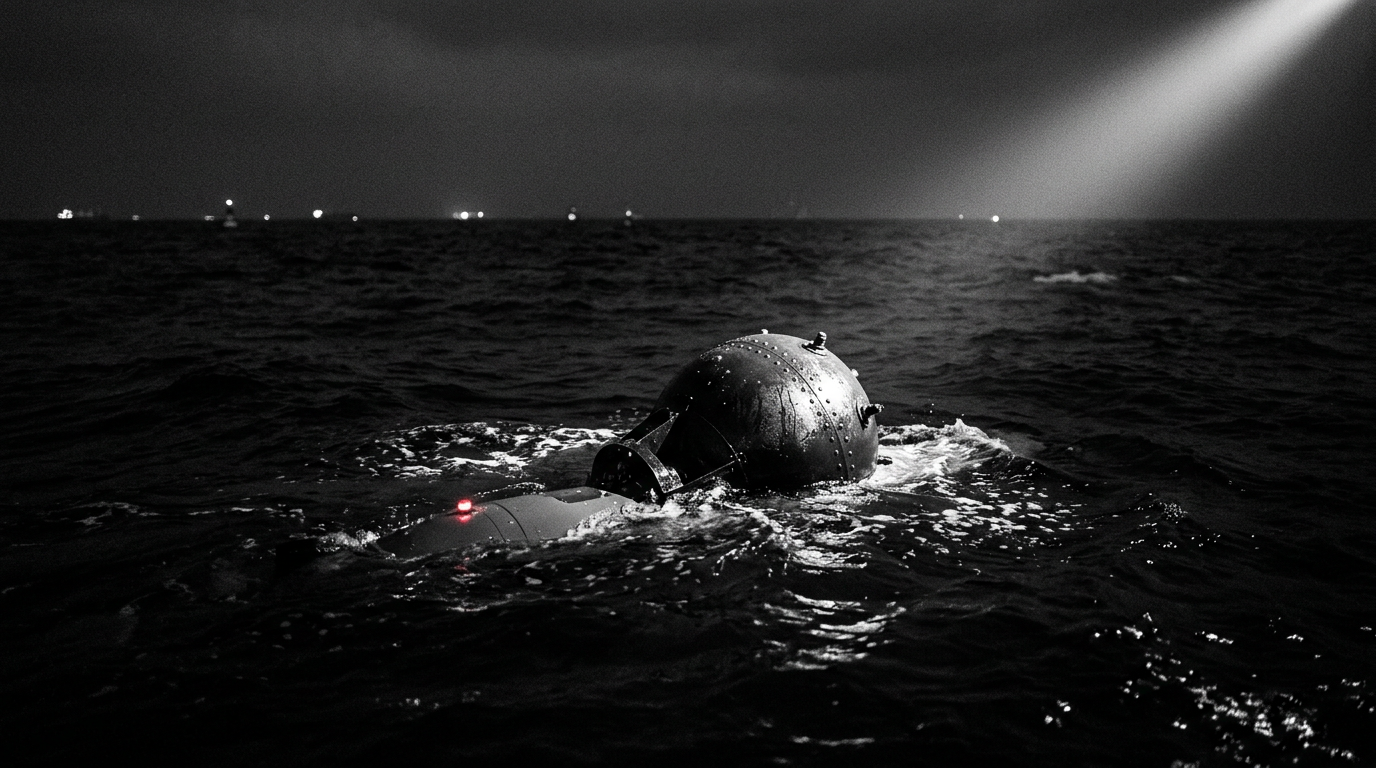
Iran reportedly launched attacks against targets within Kuwait on Thursday, an action officials described as retaliation following a United States military operation. This incident marks a significant escalation after U.S. forces targeted Iranian rocket launchers on an island in the Strait of Hormuz last Sunday. The recent events have intensified regional stability concerns and raised questions about the security of maritime traffic in the vital Gulf waterway, contributing to a week of heightened tensions.
Kuwaiti authorities, alongside regional security officials, are closely monitoring the evolving situation, according to recent government pronouncements. The strategic Strait of Hormuz, a crucial transit point for global energy supplies, is now under increased scrutiny as these incidents unfold. International observers are advising caution and close attention to official statements from all involved parties.
Heightened Maritime Concerns in the Gulf
The recent exchange of attacks has brought considerable attention to the essential shipping lanes traversing the Persian Gulf. These routes are indispensable for the global transport of energy resources and various other commodities. Shipping companies and insurance providers typically revise their routing strategies and adjust premium rates in direct response to security incidents occurring in this sensitive area.
Officials have indicated that vessel movements are being tracked meticulously, and updated guidance may be issued if risks to commercial shipping escalate. Security analysts suggest that the current pattern of strikes might offer a limited window for further confrontations before diplomatic interventions or shifts in military postures could alter the regional dynamic. Continued clashes would likely result in immediate disruptions to Gulf transit operations, an increase in insurance costs for vessels, and short-term volatility in global oil prices. These potential consequences are particularly relevant as market participants assess long-term stability, with a focus extending towards September 5, 2026, for long-term stability assessments.
Monitoring Future Developments and Economic Impacts
Observers are urged to pay close attention to forthcoming official updates from governmental bodies and any new maritime advisories. Such information could directly influence ship routing decisions and insurance terms within the next 72 hours. The Strait of Hormuz continues to be a critical choke point for the global supply of crude oil, meaning any disruption in this passage carries substantial international implications, potentially affecting economies worldwide.
Historical incidents in the region have frequently triggered ripple effects across international energy markets, impacting crude oil prices and increasing operational costs for shipping companies. Stakeholders are particularly attentive to pronouncements from naval authorities and international shipping organizations. These statements could signal a change in the security threat level or introduce new operational guidelines for vessels operating in the region, affecting global trade and energy security. The broader geopolitical context, including regional alliances and international diplomatic efforts, will also play a key role in shaping the trajectory of these tensions.