Iran Boosts Security Amid Protest Concerns
Iran has escalated security measures and internet restrictions to preempt protests, following reports of drone strikes on security forces.
Lauren Collins ·
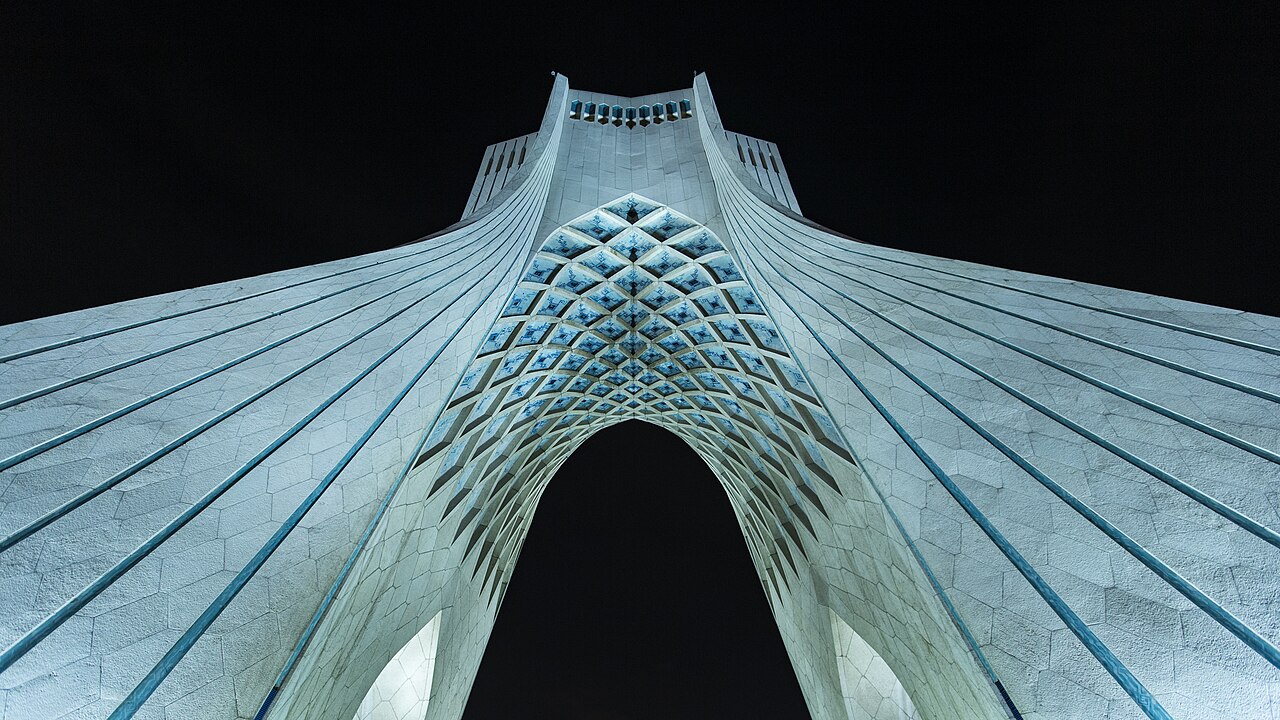
Iranian authorities have significantly increased security measures in Tehran and other regions, including enhanced checkpoints and widespread internet restrictions. These actions are designed to deter potential anti-establishment demonstrations, following recent reports of attacks on security forces. The government's strategy also involves issuing mass text messages warning citizens against participating in any future protests.
These intensified security operations come after an incident on March 11, where drone strikes reportedly targeted security checkpoints in the capital. The hardline Fars News Agency indicated that these attacks resulted in approximately ten fatalities among security personnel. This event appears to have prompted a more robust response from the state apparatus to prevent further unrest.
Internet Controls and Circumvention
Internet access has been severely curtailed across the country, a tactic frequently employed to disrupt the organization and communication channels of protest movements. Despite these widespread restrictions, some individuals are attempting to bypass government controls through the use of Starlink satellite internet devices. , has previously documented significant civilian casualties during earlier protest waves, underscoring the high stakes involved.
Authorities have responded to Starlink usage with arrests, such as one reported on March 12 in Fars Province, where an individual was detained for allegedly selling unauthorized internet access. The possession or sale of Starlink devices carries a potential prison sentence of up to two years.
The cost of alternative internet access, often sold via messaging applications, is approximately $6 per gigabyte, a substantial expense given the average monthly income in Iran, which typically ranges between $200 and $300.
Official Warnings and Preemptive Measures
Further illustrating the government's preemptive approach, the Intelligence Unit of the Islamic Revolutionary Guard Corps (IRGC) dispatched text messages on March 13. These messages explicitly cautioned recipients against participating in any upcoming demonstrations. This broad communication effort aims to dissuade public assembly and maintain order.
These comprehensive measures are largely a response to the significant anti-establishment protests that occurred in January, which included two nights of deadly clashes on January 8 and 9. The current actions reflect a concerted effort by Iranian authorities to prevent a recurrence of such large-scale civil unrest and maintain control over public discourse and assembly.
Implications
Country Impact: The intensified security measures and internet restrictions indicate a heightened state of internal vigilance within Iran, potentially leading to increased social control and suppression of dissent. This could further strain relations between the government and its populace, particularly those seeking greater freedoms.
Industry Impact: Telecommunications and technology sectors in Iran face significant government oversight and control, with efforts to bypass state-imposed internet restrictions creating a black market for connectivity. This environment stifles innovation and limits access to global digital services for the general population.
Market Impact: The ongoing internal instability and government crackdowns could deter foreign investment and impact economic activity, particularly in sectors reliant on open communication and digital infrastructure. The high cost of alternative internet access also highlights economic disparities and the challenges faced by average citizens.