Iran strikes damage US assets in Bahrain and Jordan
Officials said the attacks hit a U.S. Navy headquarters site and multiple aircraft, adding pressure on regional air defenses.
Mateo Fernandez ·
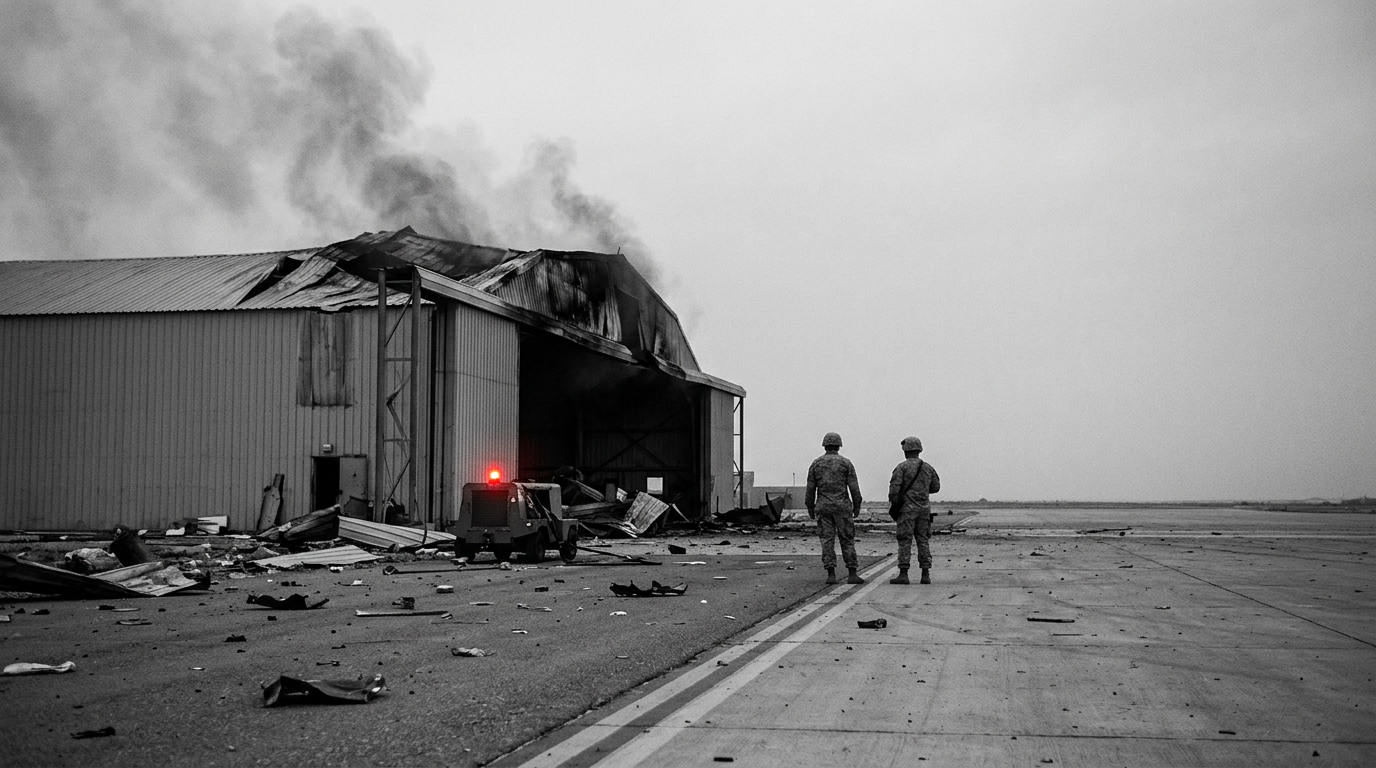
Iranian strikes damaged U.S. Navy facilities in Bahrain and multiple U.S. military aircraft in Jordan this week, officials said, widening direct U.S. exposure in the Gulf. The reported damage follows U.S. destruction of five Iranian oil carriers, according to officials, linking maritime pressure to attacks on American military assets.
The U.S. military had already lost more than two dozen drones and other aircraft before the latest strikes, officials said. The new damage shifts attention to the pace at which U.S. forces can protect fixed bases, replace damaged aircraft and preserve air-defense interceptor stocks if launches continue.
Bahrain headquarters and aircraft hit
Bahrain hosts a major U.S. Navy command presence, making damage there a direct military and political marker in the confrontation. Jordan adds a second theater to the same week’s attacks, broadening the operating map beyond Gulf shipping lanes and Iranian coastal assets.
For global markets, the immediate channel is energy and risk pricing rather than a confirmed supply disruption. If attacks remain limited to military sites, the macro effect may run through insurance costs, Gulf risk premiums and defense demand; if oil infrastructure or shipping corridors are hit, the pressure would move more directly into crude prices and inflation expectations.
For U.S. defense contractors and munitions suppliers, the operational issue is inventory depth. If commanders draw down interceptors faster than replacements arrive, procurement pressure could rise across air defense, drones and base protection systems.
By September 12, 2026, the immediate test is whether Washington and Tehran signal containment or prepare further strikes; the answer will shape oil risk, U.S. force posture and regional defense spending.