Iran sets Hormuz reopening terms for United States
Iran said the United States must accept its rules and comply with an MoU before the Strait of Hormuz can reopen.
Mateo Fernandez ·
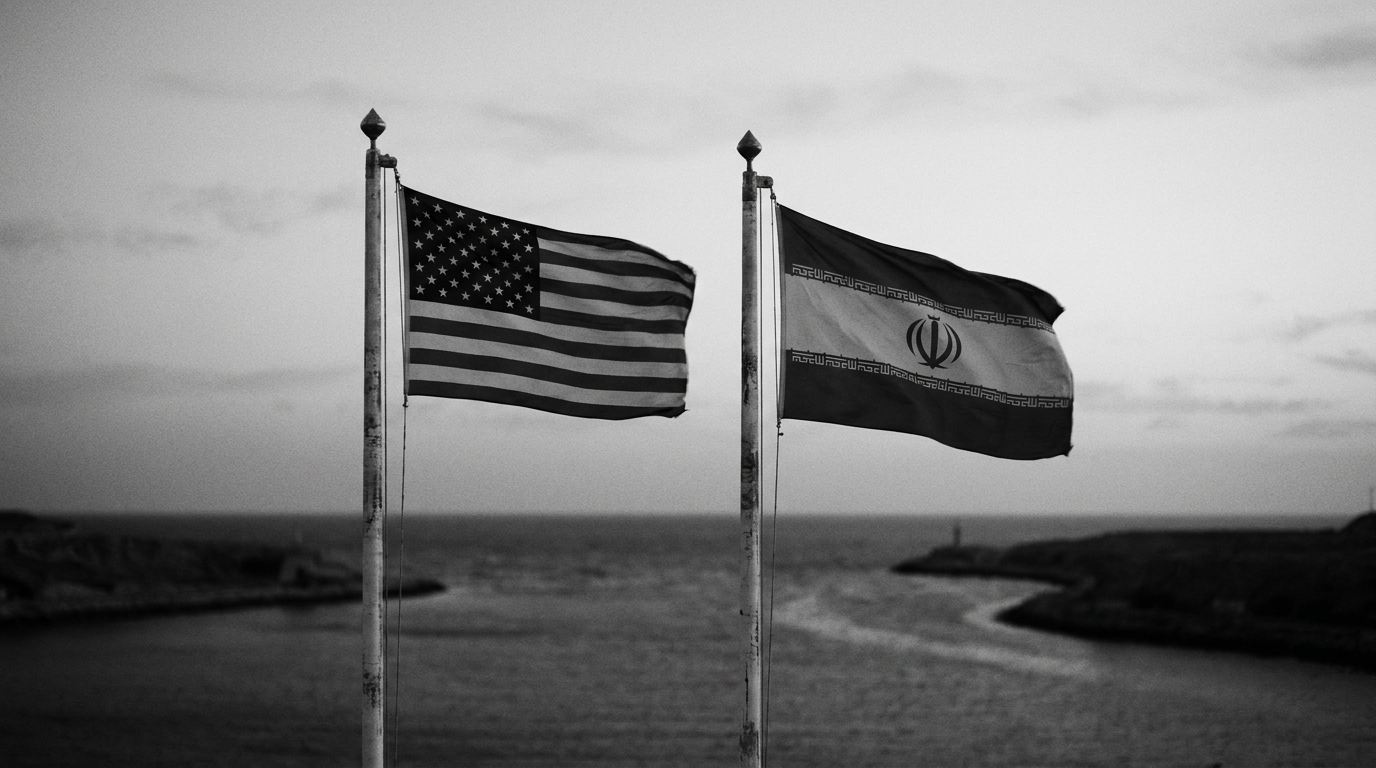
Iran said on July 16, 2026, that the United States must comply with a memorandum of understanding and accept Iranian rules governing the Strait of Hormuz before the waterway can reopen. Reaction pending. The statement came as renewed hostilities entered a sixth day, raising the energy risk around one of the world’s most sensitive oil transit chokepoints.
Officials said reopening would be conditional on Washington accepting Iran’s legal terms for the strait. The source material did not specify the text of the MoU, the authority enforcing the closure, or any timetable for negotiations.
Strait reopening terms harden
The immediate energy implication is logistical rather than numerical
if the closure holds, traders will price a higher risk premium into crude, shipping and insurance contracts tied to Gulf flows.
If the condition is withdrawn or narrowed, the market effect could ease
quickly because the trigger is political access rather than reported damage to production facilities.
For the global macro picture, the channel is inflation expectations. A sustained disruption would raise concern over fuel costs and import bills, especially for economies dependent on seaborne crude. A short disruption would still leave a geopolitical premium, but with less direct pressure on central banks and fiscal balances.
For energy companies and shippers, the key question is whether official passage rules are clarified or remain discretionary. By July 17, 2026, markets will look for formal maritime guidance, diplomatic responses from Washington, or evidence that vessels are being allowed through under stated conditions.