Iran warns Strait of Hormuz closure will continue
Iran says the Strait of Hormuz will stay closed unless the US ends the war and accepts Iran’s terms, with no timeline and no confirmed action.
Mateo Fernandez ·
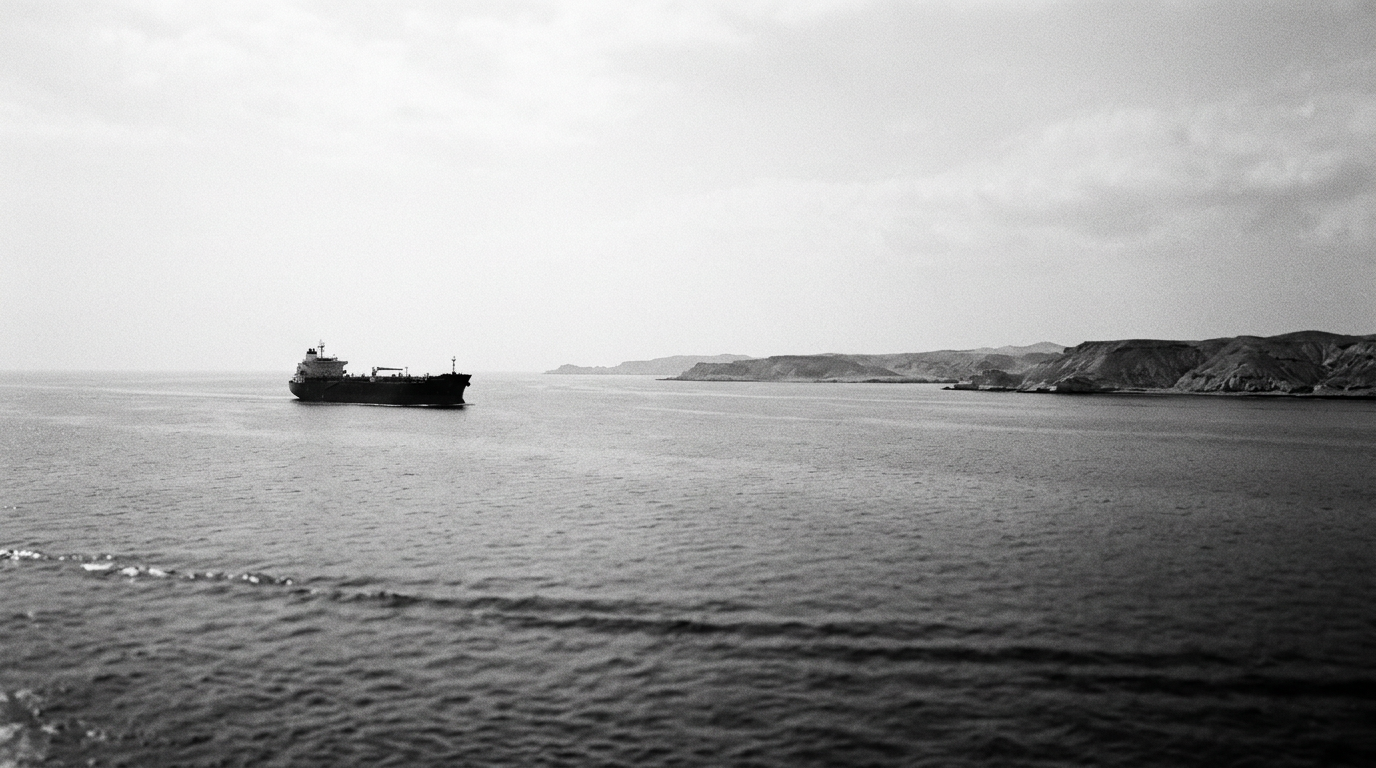
Iran has warned that the Strait of Hormuz will remain closed unless the United States ends the war and formally accepts Iran’s terms, according to a statement attributed to National Security Council Secretary Muhsin Rızai.
Officials said the message set out two conditions for any reopening: an end to hostilities by the United States and formal acceptance of Iran’s demands. The statement did not provide a schedule for action or a reopening, leaving shipping and energy markets without a clear timetable to price risk.
United States
Conditions stated, but no operational confirmation
Officials described the remarks as a warning intended to shape broader negotiations. They said the stance was being interpreted as leverage rather than a declared move accompanied by defined enforcement measures. At the same time, officials said there was no immediate confirmation that Iran had started operational steps to block transit in the waterway. That gap between rhetoric and verified action remained a central uncertainty for maritime operators and market participants. Without a timetable, the situation is likely to be assessed through follow-up communications and any signals that conditions are changing on the ground. Officials said attention would remain on whether subsequent statements are paired with concrete navigation limits or formal alerts.
Officials said the latest warning adds geopolitical risk Shipping and cost risks if transit is enforced closed Officials and maritime analysts have long said that Officials and maritime analysts have long said that an enforced closure by Tehran would disrupt tanker movements through the narrow Gulf route. In that scenario, vessels could be pushed toward longer routes that generally add time and operational complexity to deliveries. Those longer voyages typically raise freight costs and insurance premiums, according to the same long-standing assessments cited by officials and maritime analysts. Higher costs and delays can also reduce effective tanker availability, tightening logistics and adding supply-side pressure in oil markets. Officials said the latest warning adds geopolitical risk to energy markets that are already sensitive to Middle East developments. In practical terms, participants across oil trading, shipping, and marine insurance often track whether warnings are followed by formal notices to mariners or other restrictions that directly affect navigation. Next signals markets are tracking Officials said traders and carriers are likely to watch for additional statements from Iranian authorities and for any notices to mariners. They also flagged August 13, 2026, as the next date by which market participants expect follow-up official communications that could clarify direction.
For now, two unknowns remain decisive: the lack of a stated timeline and the absence of immediate confirmation of steps to impede traffic. Until clearer guidance emerges, officials said the uncertainty around Hormuz transit is likely to remain a focus for shipping planners and energy market participants.