Iran says Hormuz closed after U.S. strikes
Iranian officials said the Strait of Hormuz was closed after U.S. strikes, while Gulf states reported missile and drone attacks.
Mateo Fernandez ·
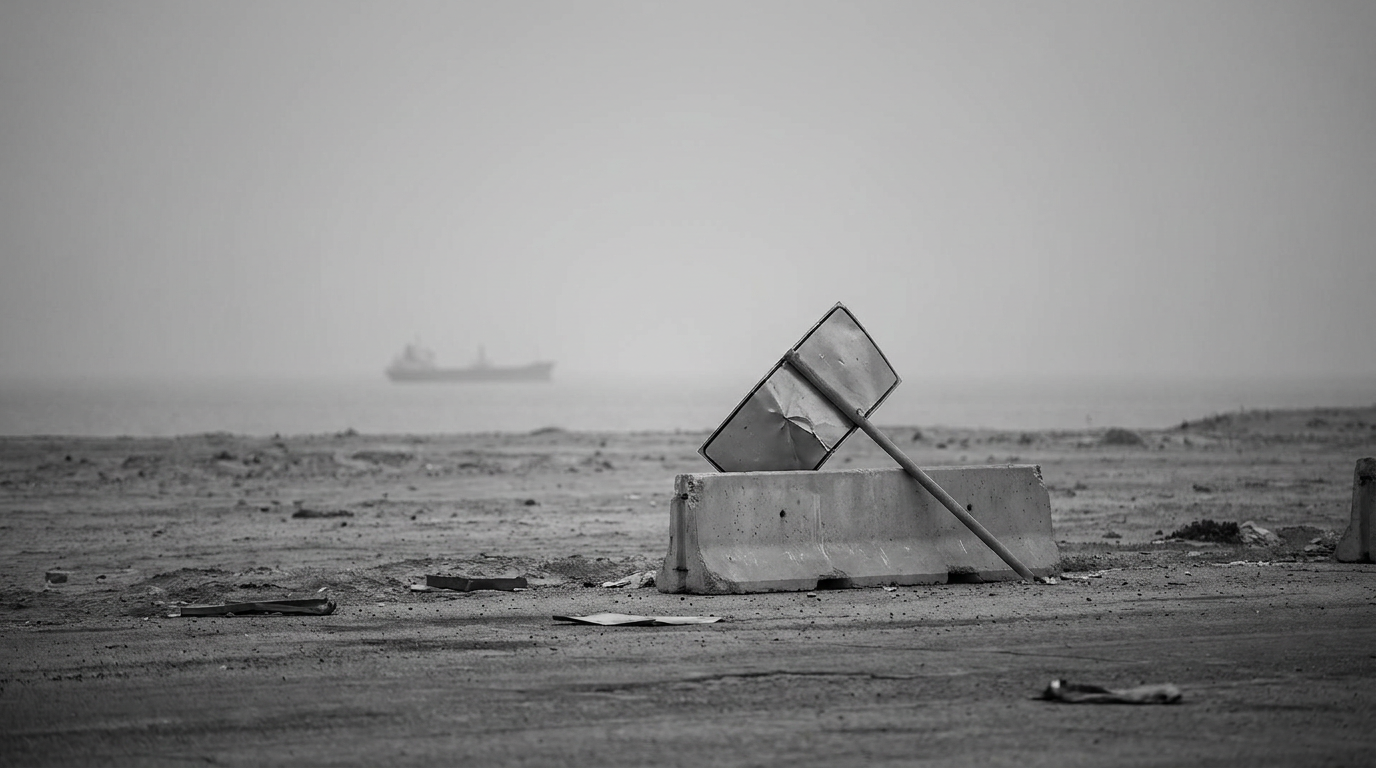
Iranian officials said on July 12 that the Strait of Hormuz had been closed after U.S. strikes hit Iran overnight, escalating a crisis around one of the world’s most sensitive maritime chokepoints. Officials said the U.S. action followed an attack on a container ship in the Strait.
The United Arab Emirates, Bahrain and Qatar reported missile and drone attacks, widening the confrontation beyond Iran and the waterway itself. The claims could not be independently verified from the payload, and there was no confirmed market reaction in the supplied material.
Hormuz closure raises Gulf risk
The Strait of Hormuz links Gulf energy exporters to global shipping lanes. A closure claim, if enforced, would raise immediate questions for crude, refined products, liquefied natural gas and marine insurance, even before any confirmed disruption to cargo flows.
For Iran, the closure claim increases pressure on Washington and Gulf governments by shifting the crisis from a bilateral military exchange to a regional shipping and energy-security event. For Gulf states, reported missile and drone attacks create a second front: defending domestic infrastructure while keeping ports, airspace and export channels functioning.
If the Strait remains open in practice, markets may focus on military containment and shipping-risk premiums. If vessels are delayed, damaged or rerouted, the shock would move through freight costs, energy pricing and risk appetite across import-dependent economies.
By July 12, the key test is whether Gulf governments, U.S. officials or shipping authorities confirm vessel restrictions, port closures or fresh attacks during the next 24 hours.