Iran denies seeking talks with US
Tehran rejected reports it requested discussions and warned of a 'reciprocal' response after a US presidential ceasefire announcement.
Mateo Fernandez ·
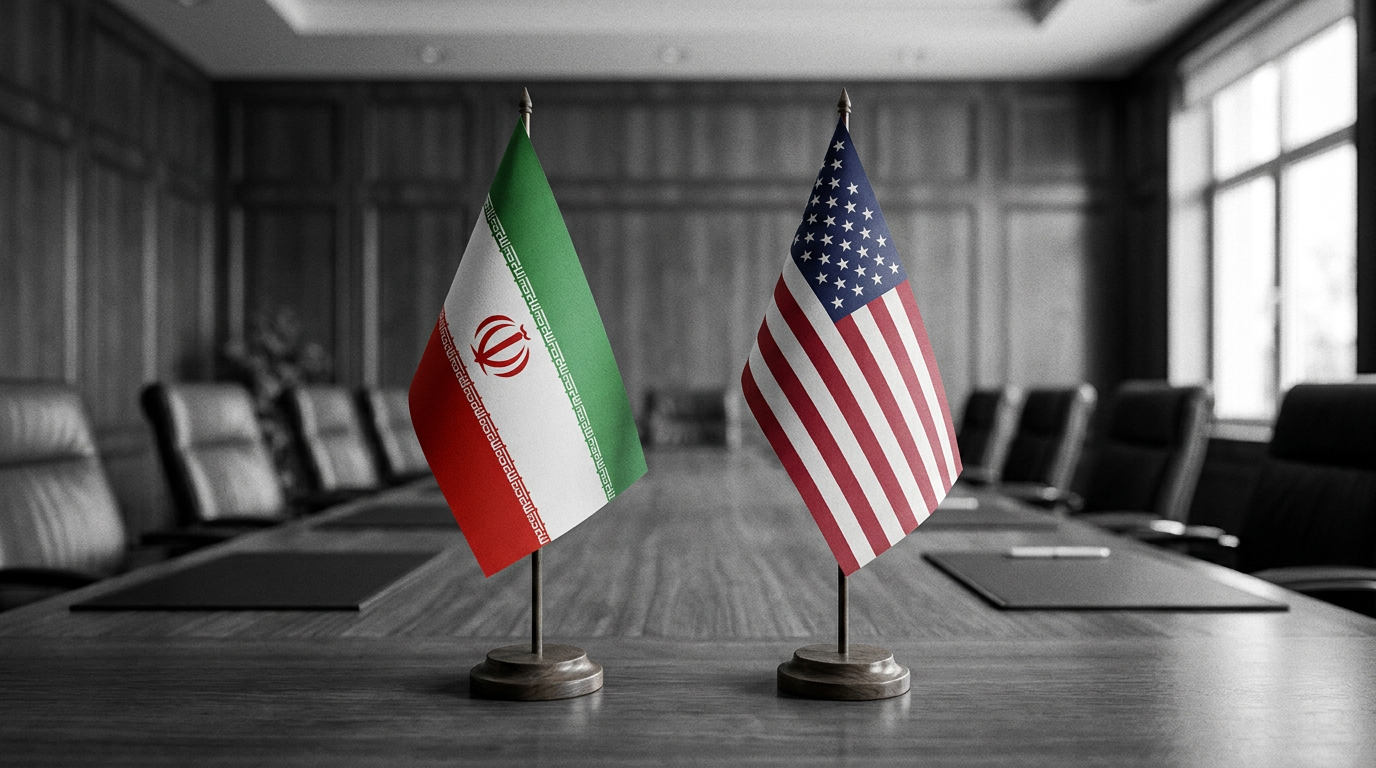
Iran denied on Saturday that it had asked the United States for talks and warned it would respond "reciprocally" if provoked, after President Trump said the ceasefire was over. U.S. Central Command spokesman Tim Hawkins said on Friday there were "no operational updates." Reaction pending.
Iranian denial and warning
Iran's statement framed the reports as unfounded and rejected any suggestion it sought negotiations under current conditions. Officials said the warning of a "reciprocal" response was intended as a deterrent rather than a declaration of imminent military action.
The timing follows a public comment from the president that the ceasefire had ended, a development that officials and analysts often treat as raising short-term escalation risk. U.S. Central Command's remark that there were "no operational updates" suggests no immediate change in deployed operations, but it leaves a gap between political rhetoric and force posture.
Markets and regional actors typically price in higher risk premiums after abrupt political signals: energy and shipping markets could see volatility if hostilities rise, while defense and insurance costs may tick up. The immediate transmission mechanism would be tighter insurance for Gulf shipments and a rise in risk premia on regional assets.
Watch for fresh statements and movements through the weekend: expect official responses or clarifications by July 12, 2026, that will determine whether rhetoric cools or the situation escalates.