Iran sanctions test Tehran’s trade workarounds, analyst says
Iran sanctions will not isolate Tehran, a policy researcher said, arguing restrictions have left Iran with trade channels and regional leverage.
Raj Patel ·
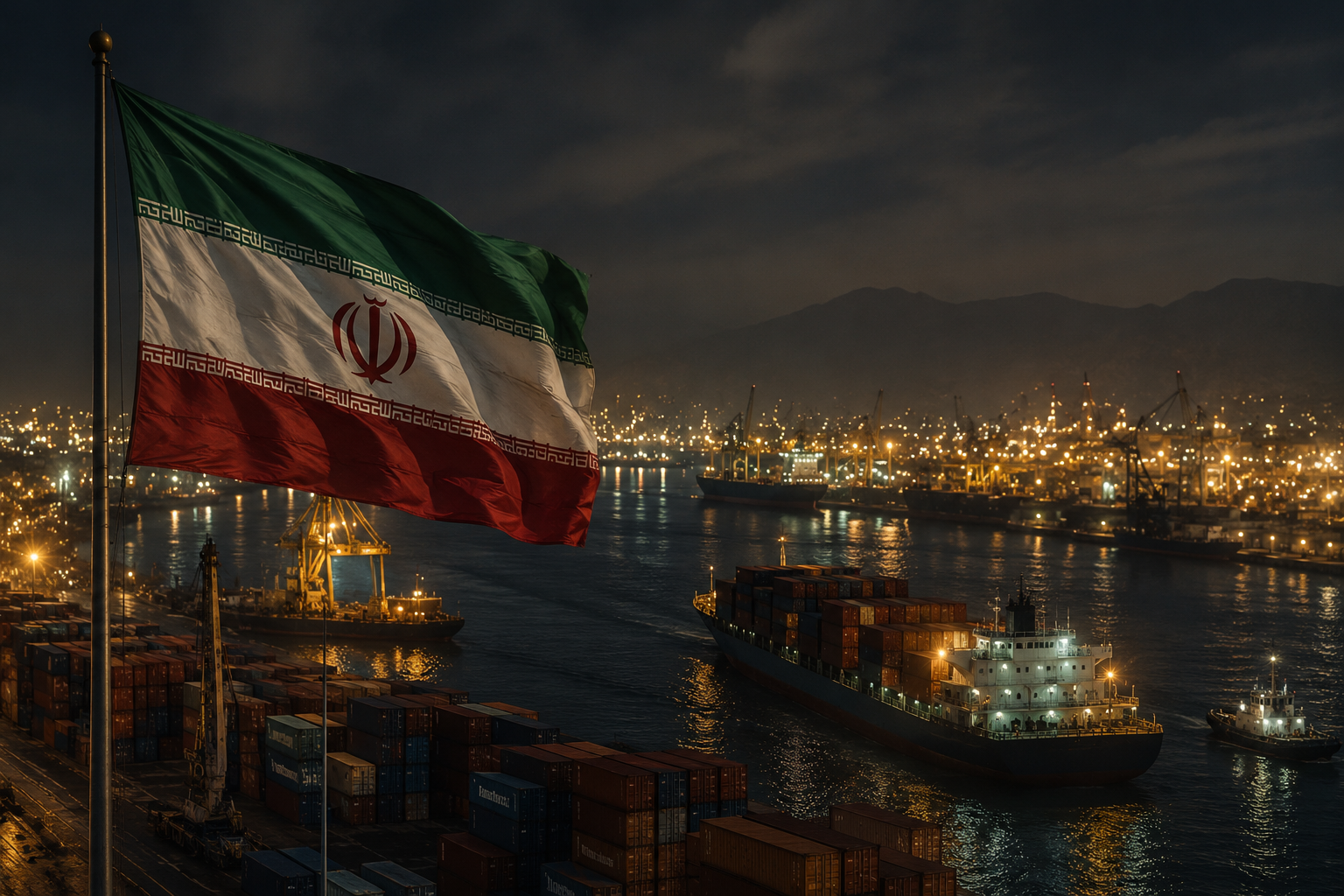
Iran sanctions will not cut Tehran off, an Iranian policy researcher said. He cited long experience with restrictions and regional energy leverage.
Ali Akbar Dareini, a researcher at the Centre for Strategic Studies in Tehran, said Iran is accustomed to sanctions and expects Washington’s pressure campaign to fall short. His comments focused on compliance controls, oil exports and Iran’s access to imported materials.
Dareini frames sanctions as familiar
Dareini said Iran “has a PhD in circumventing sanctions,” a phrase that captured his view that enforcement gaps and informal channels blunt US pressure. The remark was a claim about Tehran’s capacity, not a published measure of trade flows or revenue.
He said the purpose of the sanctions was to produce economic collapse and unrest inside Iran, a contention he did not support in the quoted remarks with official data. He also framed Washington’s calculations as mistaken and cast Iran’s position as more durable than US policymakers assume.
Oil access becomes leverage point
The clearest pressure point in Dareini’s remarks was energy. He said if Iran cannot import needed goods or sell oil, it has enough leverage to impede others in the region from doing the same.
That assertion matters because the Gulf is a trade and energy corridor, even though Dareini did not name a route, mechanism or timeline. In practical terms, any move from sanctions evasion to disruption would shift the issue from customs enforcement and financial compliance toward maritime risk, insurance costs and diplomatic crisis management.
No named company sits at the center of the remarks; the direct actor is the Iranian state. The sectors most exposed in Dareini’s framing are energy trading, shipping and banking, where sanctions enforcement can affect payment routes, cargo documentation and access to counterparties.
Three paths for sanctions pressure
If sanctions remain broad and Iran keeps enough commercial channels open, the global macro effect would likely stay contained through limited disruption to energy supply expectations. For Iran, that path would support Dareini’s argument that pressure can be managed; for the wider industry, it would mean continued compliance screening rather than a sudden break in trade patterns.
If enforcement tightens around finance, shipping or intermediaries, the mechanism changes. Higher transaction friction could make imports costlier and oil sales harder for Iran, while traders, insurers and banks may demand wider risk buffers or step away from transactions linked to Iranian exposure.
If Tehran moves from evasion to obstruction, as Dareini suggested it could, the effect would extend beyond Iran’s economy. Global markets would focus on possible energy supply disruption and inflation pressure, Iran would face higher diplomatic and military risk, and the regional shipping and oil sectors would confront higher operating costs.
The main open question is whether Dareini’s leverage argument reflects policy thinking or rhetorical deterrence. The next test is whether sanctions pressure remains a financial enforcement issue or becomes a contest over physical flows of oil, goods and shipping access.