Iran rejects foreign demining in Strait of Hormuz
Iran says it will handle mine-clearing in the Strait of Hormuz, raising fresh uncertainty over security in this critical oil transit route.
Mateo Fernandez ·
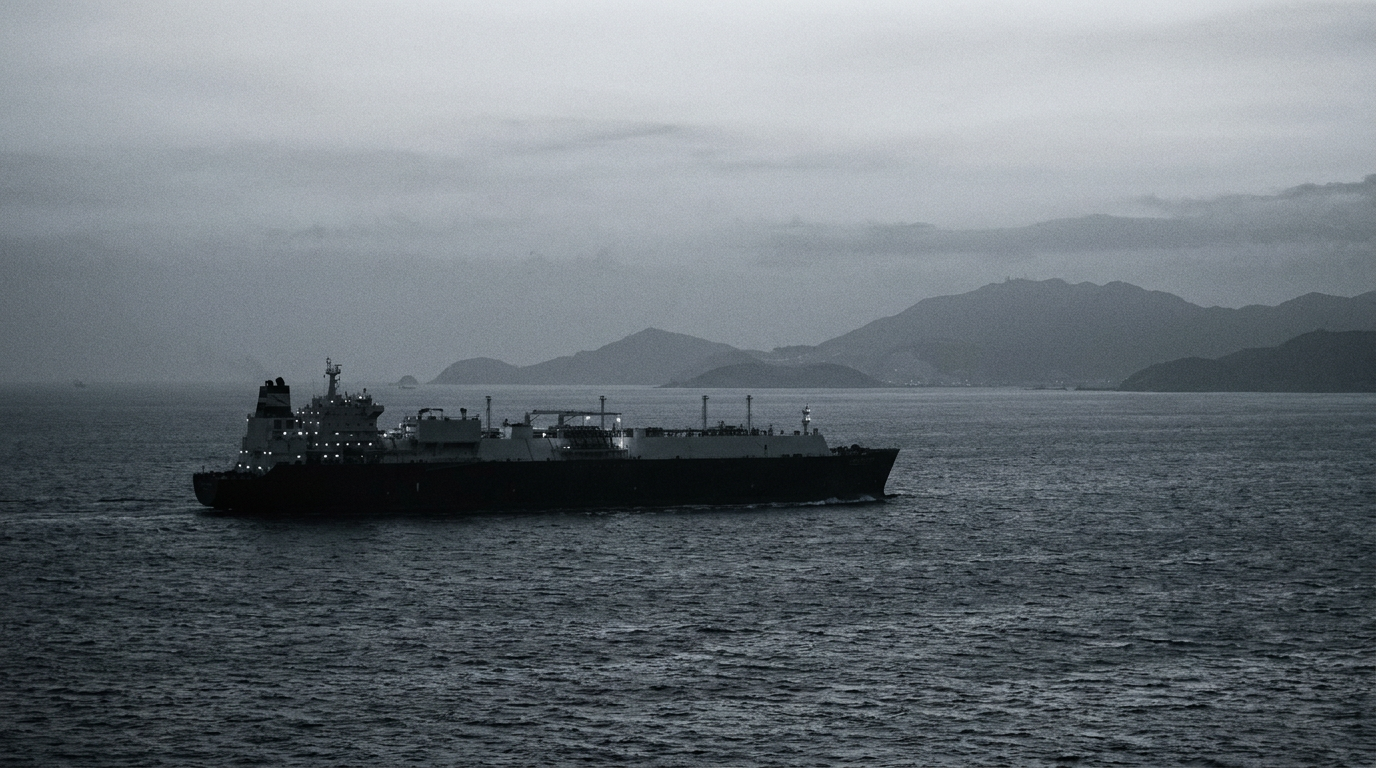
Iran’s foreign ministry said on June 30 that Iran will not “allow” other countries to de-mine the Strait of Hormuz, insisting Tehran alone will take responsibility for any mine-clearing in the waterway. Reaction pending.
Strait of Hormuz demining control claim
Officials did not provide a timeline, operational plan, or details on how mine-clearing would be coordinated with commercial shipping. Separately, analysts have questioned whether Iran has the practical capability to run a sustained demining effort on its own, which could extend disruption risk if an incident occurs.
For energy markets, the immediate transmission channel is pricing of tail risk: any perceived delay in restoring safe passage can feed into higher freight rates, wider insurance premia, and a larger geopolitical risk premium in crude benchmarks. Those dynamics typically hit refiners and fuel buyers fastest through delivered-cost increases even before physical supply is interrupted.
The next concrete test is whether maritime authorities and shipping operators change routing, insurance terms, or transit guidance over the next 24–72 hours, and whether any official notices are issued by July 1, 2026.
Officials said the position applies to efforts to remove mines from the strait, a narrow maritime corridor that carries a large share of seaborne crude and refined product flows out of the Gulf. The statement adds a new operational question for shippers and insurers: who would have access to the area to verify clearance and re-open lanes if mines were present.