

Iran refuses Hormuz talks until US meets seven conditions
Officials said Tehran rejected negotiations before its demands are met, keeping pressure on a Gulf oil-shipping chokepoint.
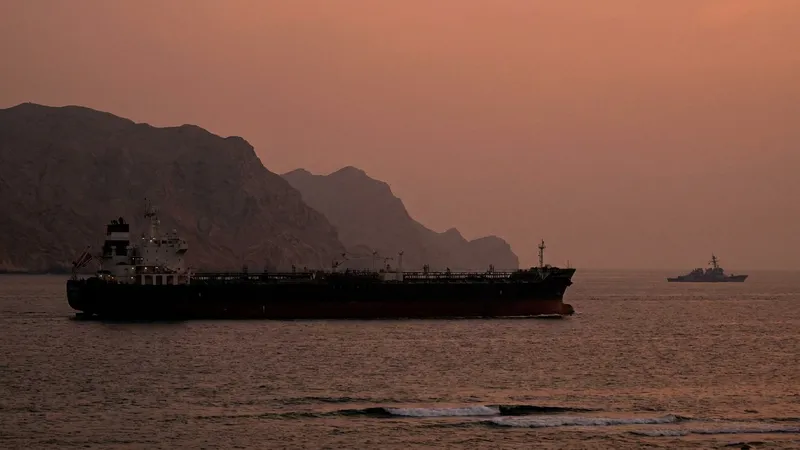
Iran refused to enter Hormuz talks until the US meets seven conditions, officials said on October 12, keeping a Gulf shipping risk on the diplomatic calendar.
Officials said Tehran judged Washington's current position "insufficient" and ruled out negotiations before the demands are met. The statement places the conditions, rather than the waterway itself, at the center of any near-term diplomatic contact.
Hormuz risk centers on conditions
The Strait of Hormuz is the channel investors watch when US-Iran tensions rise, since disruption risk can feed into crude freight, insurance and hedging costs. No market reaction was available immediately after the statement; the oil price signal will matter for whether traders treat the exchange as rhetoric or a supply-risk event.
For the global macro picture, the mechanism is energy.
If the dispute remains diplomatic, price effects may be limited to risk premiums. If military or shipping restrictions follow, importers would face higher delivered energy costs, with inflation expectations and central-bank rate paths more exposed.
For Iran, the seven-condition stance preserves negotiating leverage but narrows room for quick talks if Washington rejects the premise. For the energy industry, the immediate exposure is not production capacity; it is the cost and reliability of moving barrels through a chokepoint.
The dated forward call is October 13, 2026: watch for an official US response or a fuller Iranian list of conditions within the next 24 hours.
More stories
- North Korea fires missiles off east coast, Seoul says
- Senators oppose President Trump diesel deal with Russia
- Hormuz reopening hinges on Iran's seven stated conditions
- Iran offers to mediate after Houthi strike kills 13 at airport
- Ukraine support splits Europe as US rift widens over Kyiv
- US, China discuss reciprocal nuclear-facility visits
- North Korea says AI-guided missile was tested
- False AI report nearly triggers US-China military crisis
Latest news
- India condemns Hormuz ship strikes as seafarers missing
- Economic Times says Iran threatens regional data center
- Ravens QB Lamar Jackson Out vs. Falcons, Week 6 Return Uncertain
- Liquid Network Freezes L-BTC Redemptions Following Reserve Shortfall
- Nana Patekar Autopsy Confirms Natural Causes, Rules Out Foul Play
- De Cuyper, Gross Lead FPL Points After Brighton's Win
- Beenie Man, Winky D Surprise Kadoma Festival Crowd
- Manchester City Defeats Liverpool 3-0 at Anfield