Iran Officials Call for Public Rallies Amid Tensions
Iranian officials urge public participation in Quds Day rallies on April 5 amid Israeli strikes, while critics warn of human shield tactics.
Lauren Collins ·
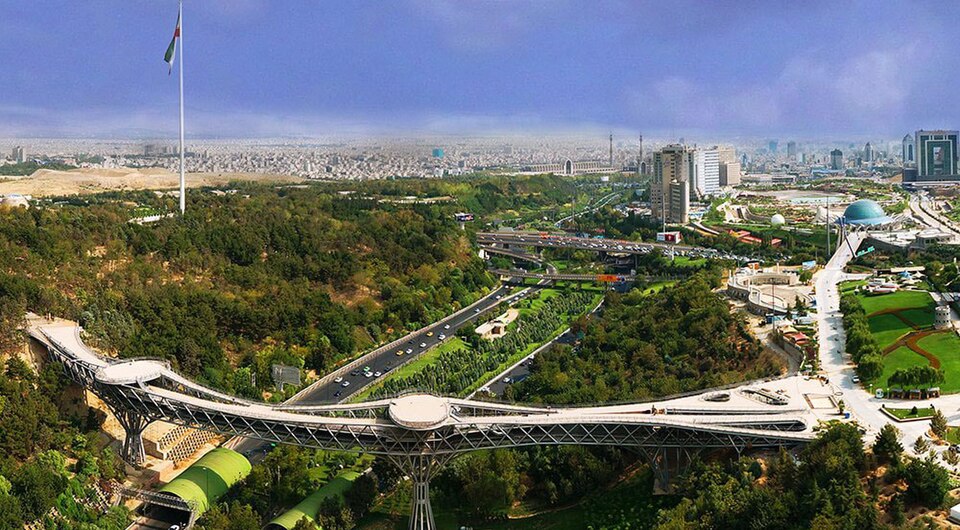
Iranian government officials have called upon citizens to participate in public demonstrations, specifically the annual anti-Israel Quds Day rallies, scheduled for Friday, April 5. This directive comes amidst heightened regional tensions and recent Israeli airstrikes targeting security installations within Iran. The calls from figures such as the judiciary chief and foreign minister have generated significant debate regarding civilian safety.
Parliament Speaker Mohammad-Bagher Ghalibaf utilized social media on Wednesday, April 3, to encourage public attendance, framing it as support for the armed forces. He stated that the presence of citizens in the streets would strengthen those defending the nation. This official encouragement for public gatherings has drawn criticism from various opposition groups and diaspora organizations.
Concerns Over Civilian Safety
Critics, including the Dadban volunteer lawyers' group, argue that these calls effectively position civilians as human shields, knowingly exposing them to potential danger in areas that could become targets. Exiled opposition figures, such as Prince Reza Pahlavi, have advised the Iranian populace to avoid government, military, and law enforcement facilities, urging them to remain indoors.
Pahlavi, in a video message released on Thursday, April 4, accused the Islamic Republic of strategically using public spaces to conceal military personnel and create human shields. This perspective highlights a deep distrust between the government and segments of the population, particularly in the context of ongoing regional conflicts.
Government Warnings Against Dissent
Concurrently, Iranian authorities have issued stern warnings against any unauthorized street protests or demonstrations. Police commander Ahmad-Reza Radan previously indicated that individuals participating in such protests would be treated as adversaries, with security forces prepared to employ force.
Further reinforcing this stance, the intelligence branch of the Revolutionary Guards (IRGC) disseminated mass text messages on Thursday, April 4. These messages threatened severe repercussions for any demonstrations, referencing a response that would be "stronger than January 7," a date associated with a past crackdown where a significant number of protesters were reportedly killed.
Regional Geopolitical Context
The backdrop to these internal calls and warnings is a period of escalating regional instability. Israeli Prime Minister Benjamin Netanyahu has publicly stated his country's intention to continue strikes against Iranian Revolutionary Guards and Basij forces. This ongoing shadow conflict between Iran and Israel, often playing out through proxies and targeted strikes, adds a critical layer of complexity to the domestic situation in Iran.
The Quds Day rallies, traditionally held on the last Friday of Ramadan, serve as a platform for expressing solidarity with Palestinians and condemning Israel. The government's emphasis on public participation this year, coupled with warnings against dissent, underscores the dual objective of projecting national unity against external adversaries while maintaining strict internal control.
Implications for Internal Stability
The conflicting directives—encouraging participation in state-sanctioned rallies while threatening severe action against unsanctioned protests—highlight the delicate balance the Iranian government attempts to maintain. The potential for civilian casualties in the event of further regional escalation, combined with the government's firm stance on internal dissent, creates a volatile environment.
The international community continues to monitor these developments closely, particularly concerning human rights and regional security.
Implications
Country Impact: The situation in Iran suggests increased internal pressure on the populace, balancing state-sanctioned demonstrations with severe warnings against dissent. This could exacerbate existing social tensions and potentially lead to further human rights concerns.
Industry Impact: While direct industrial impact is not immediately apparent, heightened regional instability could disrupt supply chains and investor confidence in the broader Middle East. Energy markets, in particular, remain sensitive to any escalation involving Iran.
Market Impact: Global markets may react to any perceived escalation of conflict in the Middle East, potentially leading to increased oil prices and a flight to safe-haven assets. Investor sentiment towards emerging markets in the region could also be negatively affected.