Iran oil exports give Tehran leverage as blockade returns
Iran oil exports reached at least 57 million barrels during a brief blockade gap, sharpening risks for crude supply and Hormuz shipping costs.
Atlas Newsdesk ·
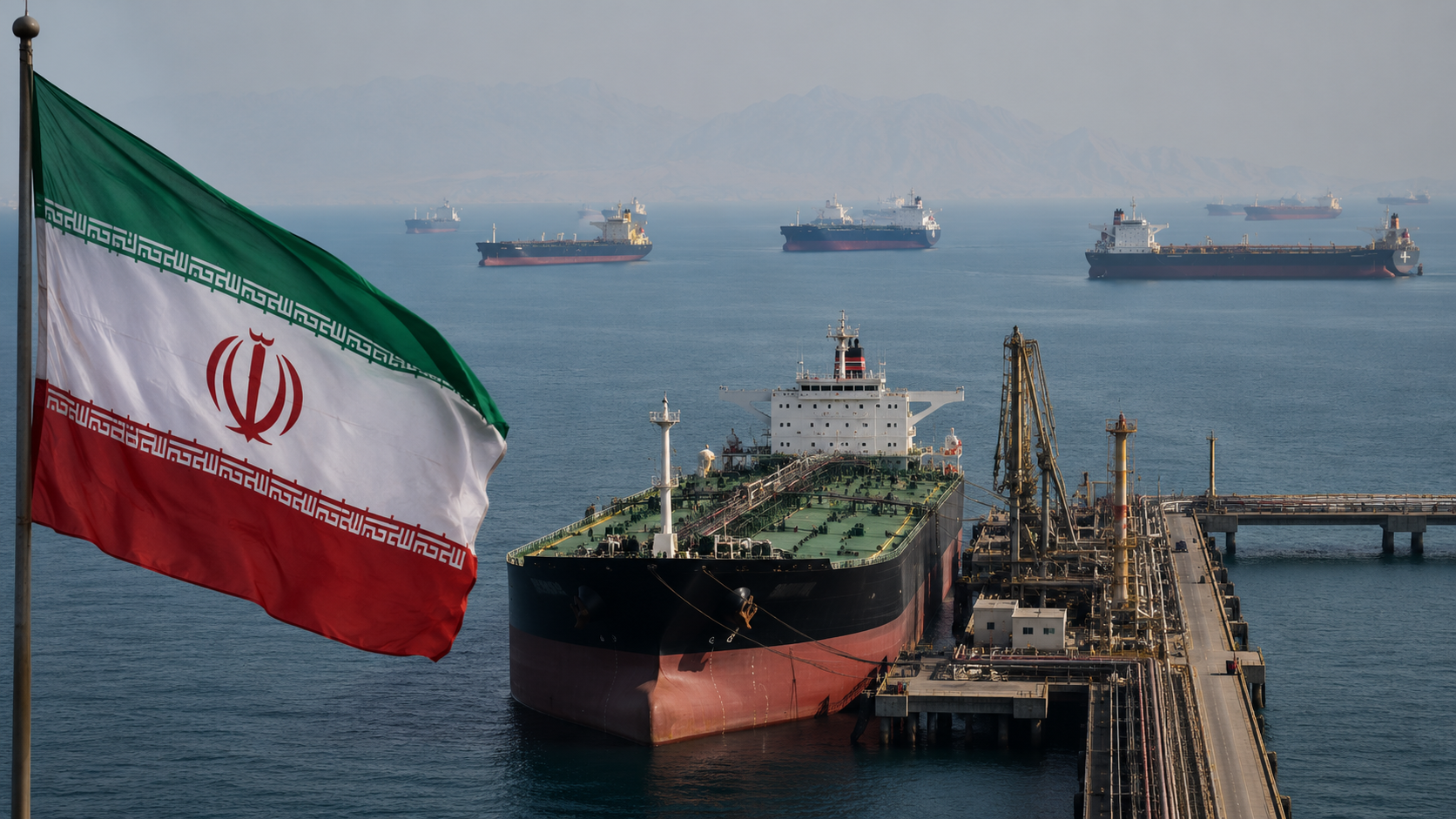
Iran oil exports rose by at least 57 million barrels during a short pause between U.S. port blockades. Hormuz shipping costs are back in focus.
Trump said Monday that the U.S. would restore restrictions on ships entering or leaving Iranian ports. He also demanded a 20% reimbursement on other cargo moving through the Strait of Hormuz, a chokepoint that links Gulf producers to global buyers.
A 57 million-barrel window
The reported shipments show how quickly Iranian crude can return to the market when enforcement pressure eases. During the gap between the first and second cordons, Tehran moved at least 2.2 million barrels a day, a high level by the recent standard described in the source material.
The pause followed an interim arrangement between Washington and Tehran less than a month earlier. That deal relaxed the port restrictions and lifted sanctions on oil sales, giving Iran a narrow opening to push barrels out before controls were reimposed.
The flows included crude leaving export installations and cargoes on tankers that had been held at an Iranian port in the Gulf of Oman. The final tally may be higher because Iran has previously used opaque shipping practices to disguise cargo movements, according to the material provided.
Kharg Island shows the constraint
The first blockade had already demonstrated the pressure point for Tehran. Kharg Island, Iran’s main crude export facility in the Persian Gulf, was left without outbound activity for several weeks, and the country’s production was curtailed.
That history matters because oil exports are one of Iran’s clearest routes to hard-currency revenue. If the barrels now on the water reach willing buyers, they could provide Tehran with financial breathing room even as Washington tries to close the same channel again.
The extra supply also arrived at a sensitive moment for crude markets. The additional Iranian barrels had helped prices cool in the first two weeks after the memorandum was signed, while reported market figures put Brent futures up 4.7% at $79.67 a barrel on Monday.
Hormuz fee raises costs
Trump’s new demand adds a separate cost issue for non-Iranian trade. A 20% reimbursement on other cargo through the Strait of Hormuz would shift part of the security bill onto shippers, though the source text did not specify how the charge would be assessed or enforced.
The Strait is central to this story because it is the maritime route through which Gulf crude and other cargoes reach world markets. A fee on transit would not only affect Iran; it could change shipping economics for cargo owners using the same corridor.
For the oil industry, the immediate question is whether the returning blockade stops vessels from loading, sailing or discharging. Each point in that chain has a different market effect: blocked loading cuts visible supply, blocked sailing traps barrels near Iran, and blocked discharging raises buyer risk.
Three paths for crude
If the blockade is enforced tightly and buyers step back, Iranian supply would likely become less visible to the market. That could support global crude prices, reduce Tehran’s near-term cash flow and force refiners or traders to seek replacement barrels from other suppliers.
If enforcement leaves gaps, Iran could continue moving some cargoes through indirect routes. In that case, the macro effect would be a larger supply cushion, Tehran would preserve part of its revenue stream, and the wider tanker market would face higher compliance and insurance scrutiny.
If the 20% Hormuz reimbursement becomes the central issue, the effect could move beyond Iranian crude. Higher transit costs would feed into shipping economics, Iran would still face port limits, and Gulf-linked energy and cargo sectors would have to price a new political charge into trade.
The open questions are practical rather than rhetorical: how the U.S. defines covered ships, whether buyers accept Iranian cargoes already in transit, and how any Hormuz charge is collected. Those details will decide whether the market sees a supply shock, a cost shock or a temporary enforcement signal.