Iran draft seeks to bar U.S., Israeli ships at Hormuz
Iranian state media reported a draft plan to block U.S. and Israeli vessels from the Strait of Hormuz, but no text, decree, or timeline is public.
Mateo Fernandez ·
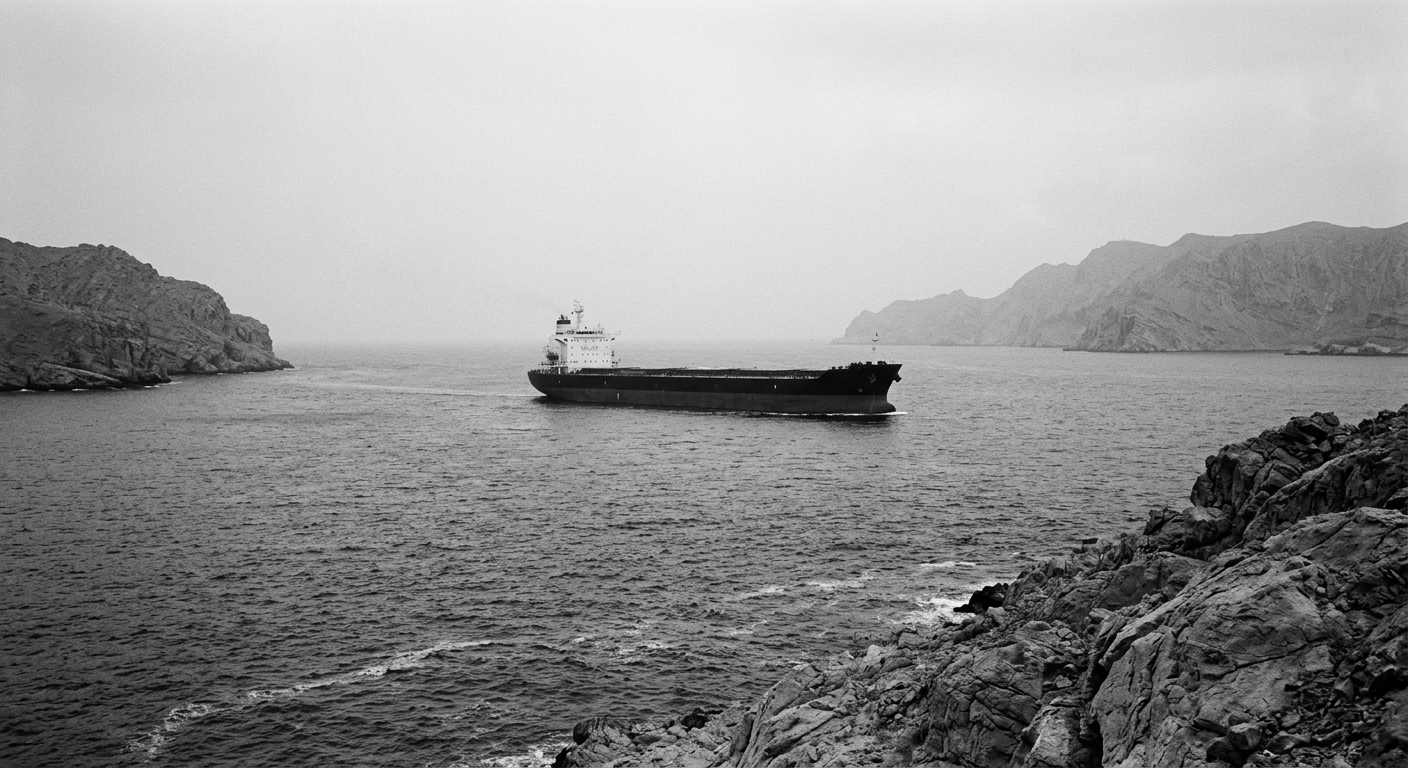
Iranian state media reported that Tehran has prepared a draft plan that would prevent U.S. and Israeli ships from transiting the Strait of Hormuz, a maritime route widely viewed as a critical corridor for energy shipments and trade.
Officials have not released an implementing decree, and the report did not include the full draft text or a timetable for when any restrictions could take effect. There was also no immediate confirmation from foreign governments.
Draft proposal focuses on Strait of Hormuz transit
According to the report, the draft measures would prohibit vessels from the two countries from passing through the strait. The state-media account described the proposal but did not publish the document itself.
Without a decree or enforcement guidance, it remains unclear how any potential restrictions would be applied, how ships would be identified for compliance purposes, or what penalties could be used. The lack of a public timeline also leaves uncertainty over whether the draft is intended for near-term action or longer-term signaling.
Why the report matters for shipping and energy logistics If adopted, the measure would change established passage expectations in one of the world’s busiest maritime corridors for energy and commercial trade. Any adjustment to transit rules in the Strait of Hormuz can affect how shipping routes are planned and how quickly operators can reallocate vessels.
Tanker operators, charterers, and insurers typically react quickly to developments that alter the perceived risk of transit. The repoSources said a market reaction was pending, and it did not describe any immediate price moves or freight changes.
The report also noted that regional naval deployments could require adjustment if passage norms were altered. However, with no announced enforcement mechanism, the practical operational impact for commercial shipping remains uncertain at this stage.
What to watch next, including the August 14, 2026 marker The report suggested tracking formal government channels and any parliamentary action over the next week for signs that the draft is being advanced. It also pointed to a potential indicator: whether Iranian authorities move the draft to a vote or publish enforcement rules by August 14, 2026.
According to the report, if such steps occur, the first observable effects could emerge in commercial shipping patterns and the regional naval posture around the strait. Until then, the proposal remains a reported draft without published text, a decree, or externally confirmed details.