OPEC Bypass Routes Cut Strait of Hormuz Dependence
Ongoing Strait of Hormuz disruptions are speeding shifts to non-OPEC supply and bypass pipelines, reducing Iran’s transit leverage over time.
Atlas Newsdesk ·
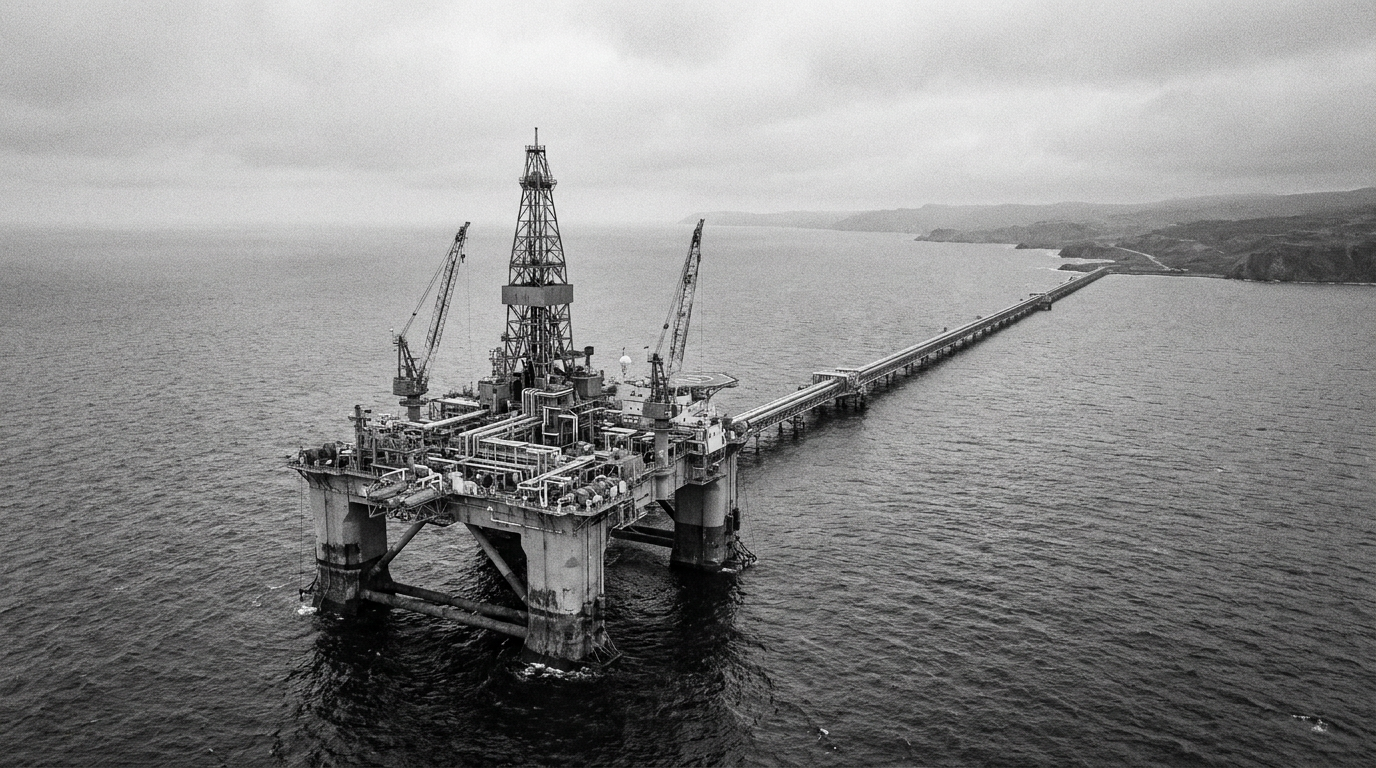
Persistent disruptions in the Strait of Hormuz are pushing energy importers and companies to reduce exposure to the maritime chokepoint, according to data and industry developments described in the report. The shift is reshaping supply chains as buyers place greater weight on delivery security rather than historic dependence on Gulf-export routes.
The report says the continued turmoil is also weakening Iran’s long-term geopolitical leverage, which has traditionally been tied to the strait’s role in global oil transport. As Tehran continues to use the chokepoint for pressure, markets are increasingly redirecting purchases and investment toward alternatives designed to keep flows moving even if the passage becomes less reliable.
As Tehran Supply shifts away from the Gulf route Data in the report shows Chinese crude imports One indicator cited is China’s crude-buying pattern. Data in the report shows Chinese crude imports fell to 8.1 million barrels per day in the second quarter, representing a 32 percent decline from the previous quarter. At the same time, output growth outside the Gulf is highlighted as a key part of the adjustment. Producers in Brazil, Canada, and Guyana are described as expanding production, adding supply options that do not depend on Hormuz-linked shipping routes. Pipeline projects aim to bypass Hormuz entirely Within the Gulf, some producers are also moving to reduce reliance on the strait by building alternative infrastructure. The report says Saudi Arabia and the United Arab Emirates are accelerating work on pipelines intended to route exports around Hormuz. These developments are presented as part of a These developments are presented as part of a broader effort by energy-importing states and firms to spread risk across more suppliers and more transport corridors. In practical terms, the objective is to avoid having a single chokepoint exert outsized influence over pricing, shipping schedules, and political decision-making. Costs now, but reduced leverage later The report notes that the current crisis is bringing near-term economic costs, though it does not quantify them. However, it argues the longer-term effect may be structural: a sustained decline in Iran’s ability to use energy transit disruption as a coercive instrument. It also states that the United States and It also states that the United States and its allies are supporting this transition through infrastructure diversification and expanded domestic production, framing these steps as a way to reduce the strategic threat posed by a blockade.
Several uncertainties remain, including how quickly alternative supplies and bypass infrastructure can scale and how market participants will balance cost against resilience. Still, the report’s central claim is that the strategic importance of the strait is being reduced as the global energy system adapts to repeated disruptions.