Taiwan targets 100,000 drones a month by 2030
Taiwan targets 100,000 drones a month by December 31, 2030, officials said, as part of plans to strengthen defenses and surveillance.
Mateo Fernandez ·
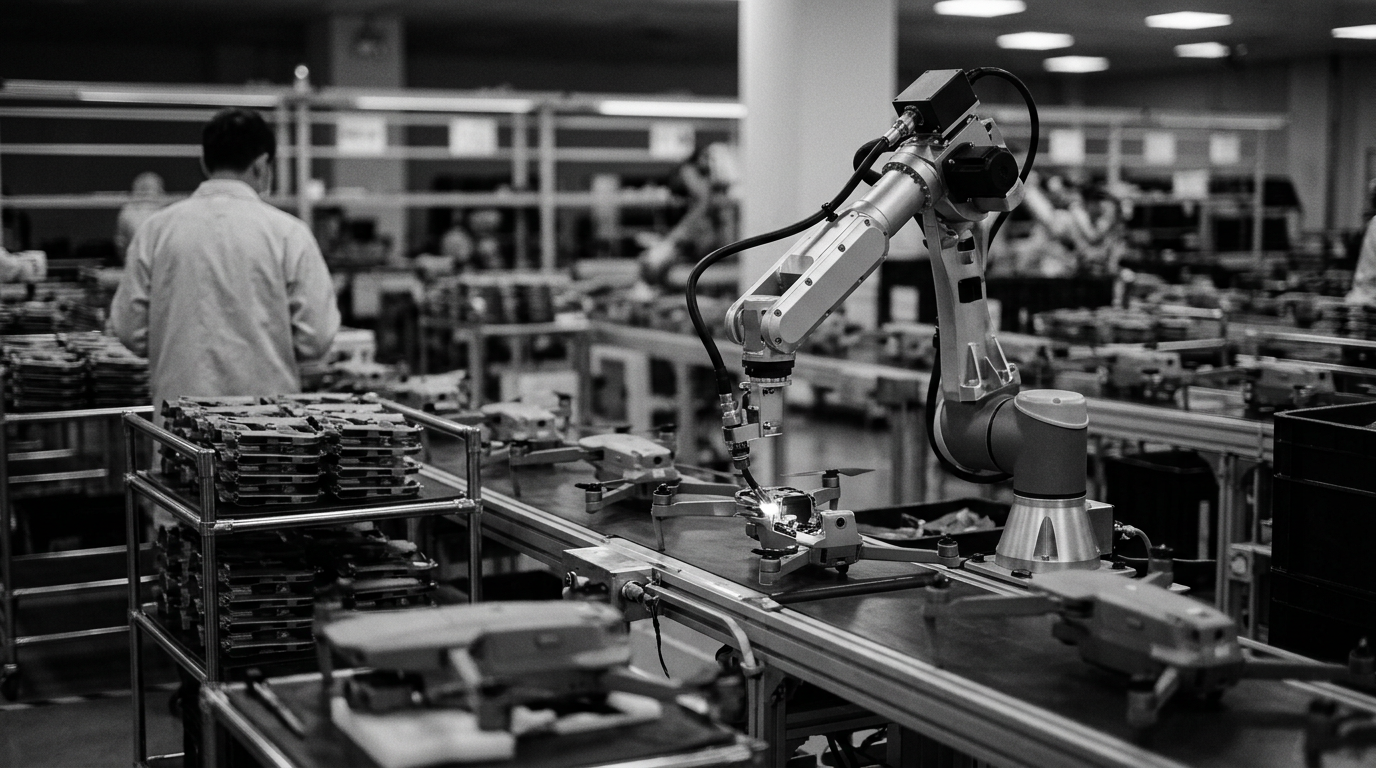
Taiwan is planning a major expansion of drone production, aiming to reach output of up to 100,000 drones per month by the end of the decade, officials said. The is tied to strengthening defenses against a possible invasion and is scheduled for December 31, 2030.
Officials said the drone program is designed to support a range of missions, including persistent surveillance, efforts to slow or delay landing forces, and strike operations intended to engage adversary units before they reach the shore. The initiative was described as part of a wider approach to layered deterrence.
Industrial scale-up implied by the 2030
Officials said the monthly target implies a steep Officials said the monthly target implies a steep ramp-up from current output. Meeting that level of production would require expanded factories, broader supply chains, and trained crews to operate and sustain the systems.
Analysts said the effort is largely defensive in orientation. They also said any near-term market impact is likely limited, while pointing to potential longer-term demand effects for defense suppliers and for certain manufacturers tied to key inputs such as semiconductors and motors.
How officials say drones would be used According to officials, the planned force would focus on maintaining continuous awareness through surveillance while also enabling strike missions. The stated purpose is to complicate an adversary’s approach by engaging forces earlier and creating additional hurdles for any landing attempt.
Data cited in the discussion showed Taiwan has already deployed smaller drone squadrons for surveillance and for kamikaze-style strike roles. Officials and analysts said that moving from limited deployments to mass production could alter operational tempo by supporting more dispersed, attritional defenses, rather than relying only on concentrated missile stocks.
Constraints and unanswered operational details
Officials and analysts highlighted several potential constraints that could affect timelines. Export restrictions, access to components, and labor availability were all cited as factors that could slow deliveries.
Another unresolved issue is sustainment under combat conditions. Analysts noted that maintaining high operational use and replacing losses would require routine resupply and maintenance at scale, and officials have not detailed how those needs would be met.
Officials said updates are expected through the decade, with the December 31, 2030 milestone serving as the key test of whether the plan becomes an operationally significant capability.
Implications
Country Impact: Officials said the program is intended to bolster Taiwan’s defenses against a possible invasion by expanding surveillance and strike options. If achieved, analysts said scaling to mass production could support more dispersed defenses, but key logistical and sustainment details remain unspecified.
Industry Impact: Officials said achieving the target would require expanded factories, supply chains, and trained crews. Analysts said longer-term demand could rise for defense suppliers and for certain component-linked manufacturers, including semiconductors and motors, while near-term effects may be limited.
Market Impact: Analysts said immediate market impact is likely limited. They said the longer-term effects could be more relevant to selected suppliers if the industrial ramp-up proceeds as planned, although export controls, component access, and labor availability could affect delivery timing.