Iran Strikes Gulf Refineries; US Warns of Escalation
Iran attacks Gulf refineries on April 3, 2026 as the US warns on infrastructure; Brent jumps 7.8% to US$109.03 amid Hormuz blockade.
Lauren Collins ·
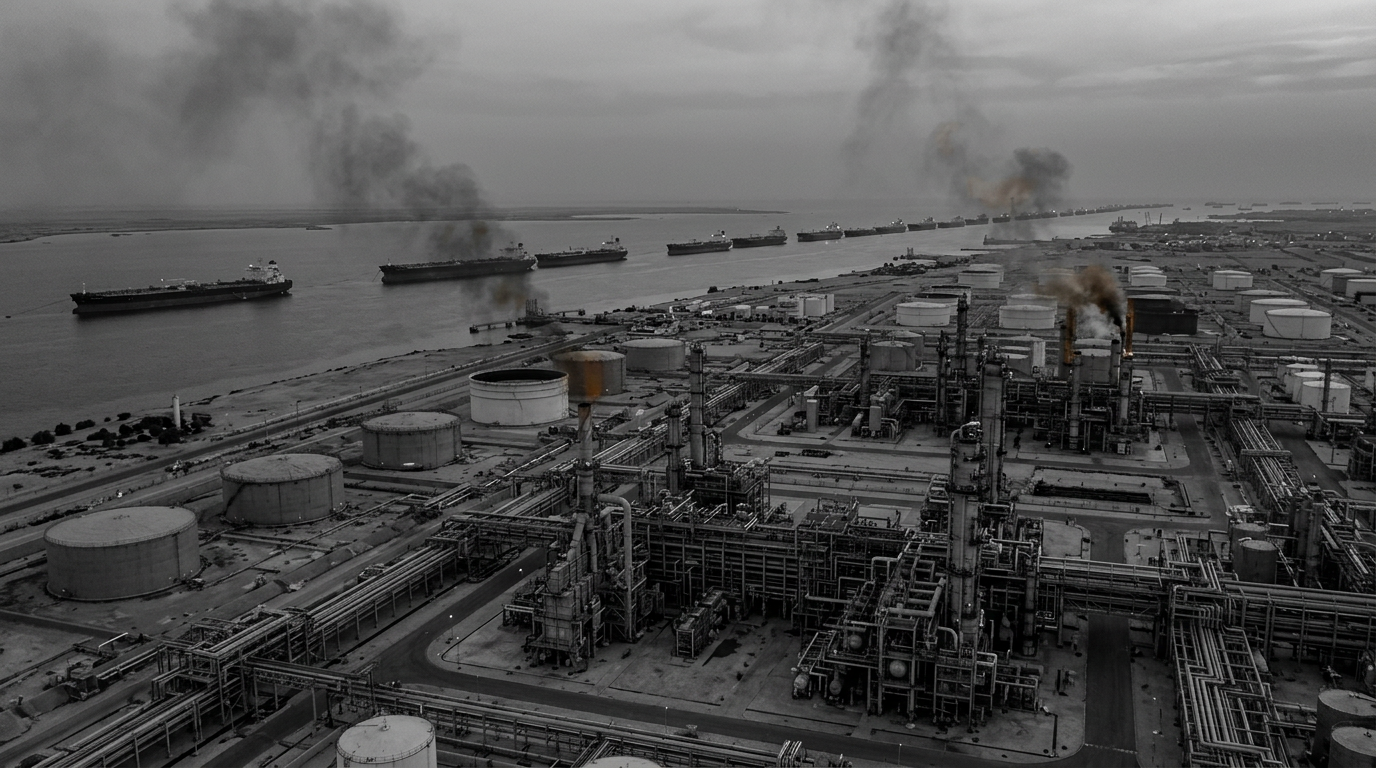
Iran carried out missile and drone strikes on April 3, 2026 , hitting energy sites across the Gulf region as the United States warned it could expand attacks to Iranian infrastructure. Iranian projectiles also struck Israel, Saudi Arabia, the United Arab Emirates, and Kuwait’s largest oil refinery, officials said, with fires reported at some facilities.
The escalation unfolded on the 35th day of the conflict , after joint U.S. and Israeli attacks on Iran that began on February 28 . Iranian officials reported the destruction of a major bridge linking Tehran to Karaj , underscoring that transport links and civilian-adjacent infrastructure are being affected alongside military targets.
In Kuwait, the Mina Al-Ahmadi refinery saw fires in several units after a drone attack, according to officials, and no injuries were reported . In the United Arab Emirates, the Habshan gas facility experienced an incident tied to falling debris, officials said, adding to concerns about spillover risks for critical energy infrastructure across multiple jurisdictions.
At the same time, U.S. President Trump reiterated threats on social media, saying U.S. forces would target Iranian bridges and electric power plants if a new regime leadership did not comply with demands. Those statements drew criticism from some Iranians, including opposition figures, who cited potential humanitarian consequences, according to accounts referenced in the source material.
The exchange of attacks coincided with international efforts to reopen the Strait of Hormuz , which Iran has blockaded in retaliation for earlier U.S. and Israeli actions. The blockade has pushed up prices for oil, gas, and fertilizer , tightening conditions for energy-importing economies and for sectors dependent on fuel and feedstock costs.
Market reaction was immediate: Brent crude rose 7.8% on April 3 to US$109.03 per barrel . The price move reflected heightened concern about supply disruption risks linked to Gulf infrastructure incidents and the continued closure of a key maritime chokepoint.
Diplomatic activity continued but produced no clear breakthrough. A virtual meeting of 40 nations , convened by the UK , discussed diplomatic and economic pressure on Iran over the Strait of Hormuz, but ended without specific agreements. With no announced deal and with threats and strikes continuing, the near-term outlook remains uncertain around the Strait’s status and the security of regional energy assets.