Iran denies Hormuz reopening deal for commercial ships
Iran denies Hormuz reopening deal on August 2, 2026, keeping the maritime safety crisis unresolved as carriers await new statements by August 4.
Mateo Fernandez ·
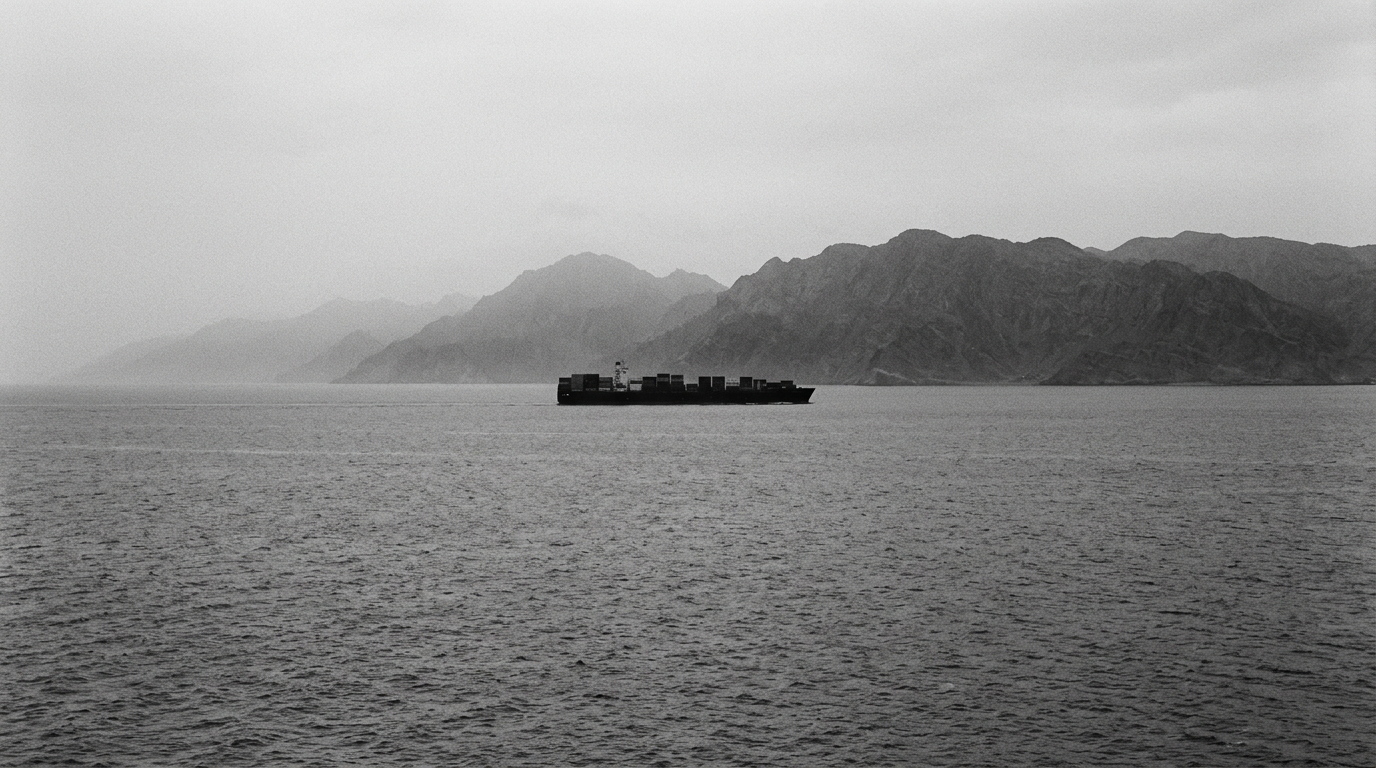
Iran said on August 2, 2026 that no agreement has been reached to reopen the Straits of Hormuz to commercial shipping, according to officials. The same statement said the crisis over transit and maritime safety is still ongoing.
The denial came after claims that discussions had produced a deal to restart vessel movements through the waterway, officials said. Iran’s statement did not identify any negotiating parties and did not provide a schedule for when transit might resume.
Hormuz transit uncertainty remains in place
Officials said the lack of a confirmed deal Officials said the lack of a confirmed deal leaves shipping companies and regional authorities without an agreed framework for safe passage. As a result, operational planning for carriers remains constrained by uncertainty over what rules and protections would apply in practice. The Straits of Hormuz are widely regarded as a critical passage for seaborne hydrocarbon flows. Officials noted that uncertainty in the corridor tends to lift supply-risk premiums in oil markets and can shape decisions around shipping routes, as well as the cost and availability of marine insurance. Potential responses across security, diplomacy, and commercial shipping Officials said the denial itself could trigger adjustments across several fronts, including naval deployments, diplomatic exchanges, and decisions made by commercial carriers. They did not describe any specific measures, but framed the situation as one where multiple actors may react to the absence of a published agreement.
In practical terms
In practical terms, any changes to deployments or carrier behavior can quickly ripple into freight routing choices and broader energy market sentiment, officials said. They added that these effects could persist until a clear and verifiable agreement is made public.
Officials also indicated that further official statements from Iran and regional maritime authorities are expected by August 4, 2026. They said markets and shipping companies are likely to use those communications to reassess transit risk and review insurance terms tied to voyages through the strait.
For now, Iran’s position, as presented by officials, is that the safety and transit crisis remains unresolved and that reports of a reopening deal should not be treated as confirmed. Any timeline for renewed commercial passage through the Straits of Hormuz remains uncertain in the absence of disclosed parties, written terms, or an announced implementation date.
Implications
Country Impact: Officials said Iran’s denial keeps the transit and maritime safety crisis unresolved, with no announced parties or timetable. That leaves future passage dependent on subsequent official statements and any verifiable agreement that may be published.
Industry Impact: Officials said shipping companies and regional authorities still lack a confirmed framework for safe passage. They noted that route selection and marine insurance pricing can shift in response to continued uncertainty in the waterway.
Market Impact: Officials said uncertainty in the Straits of Hormuz tends to increase oil-market supply-risk premiums and can influence energy market sentiment. They added that upcoming official communications by August 4, 2026 may drive reassessments of transit risk and insurance terms.