Iran denies Hormuz deal after strike cancel
Iran denied reports of a Hormuz reopening deal on Aug. 2, 2026, after President Trump said he cancelled a planned strike to allow diplomacy.
Mateo Fernandez ·
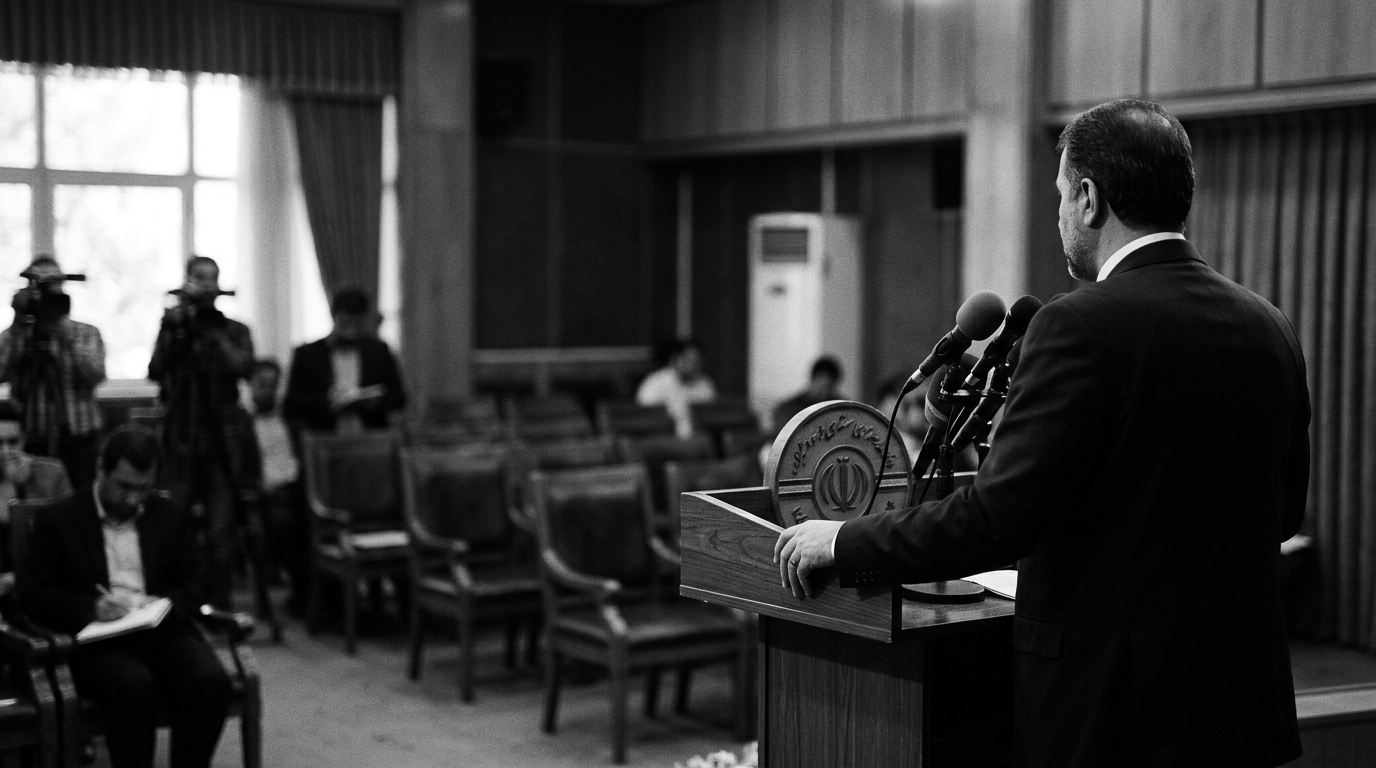
Iran said on August 2, 2026 it had not agreed to reopen the Strait of Hormuz, pushing back against reports that a deal was in place after President Trump said he had cancelled a planned US military strike.
Officials said the sequence of announcements came after high-level contacts intended to reduce tensions in the Gulf, with multiple regional governments involved in urging a pause to allow diplomacy more time.
Trump cites diplomatic requests in cancelling planned strike
President Trump said he decided to call off a planned attack after receiving requests to allow more time for diplomatic efforts, the administration reported. The decision was presented as a response to outreach from Tehran and other governments in the region.
The administration did not provide additional detail on the nature of the planned strike or on any next steps for talks. Officials also did not set a schedule for further diplomatic consultations.
Iran rejects “split control” reports and restates transit stance A member of Iran’s negotiating team rejected media claims that Iran had accepted a proposal to divide control over transit through the strait, describing those accounts as false. Iranian officials have not offered an alternative arrangement or a timetable for reopening.
Iranian military sources said the waterway remains closed to ships that do not coordinate with the Islamic Revolutionary Guard Corps. No timeline was given for any change to that procedure.
Markets watch for official follow-up statements by Aug. 4 Market participants and oil traders are expected to track communications from Tehran, Washington, and Gulf capitals for indications of follow-up talks or any operational change affecting shipping. Officials have not confirmed whether additional contacts are scheduled, leaving near-term navigation rules uncertain.
The source material noted that uncertainty around major energy routes can tighten tanker insurance terms and widen freight spreads. It also said prompt crude prices can rise if disruptions persist, though the near-term path depends on whether shipping interruptions continue.
Attention is expected to focus on the period through August 4, 2026 for clarity or new diplomatic statements. Key items to watch include any official confirmation of transit procedures, signs of renewed military planning, and further comments from Iran’s negotiating team.