Iran Launches Regional Drone, Missile Attacks
Iran launched widespread drone and missile attacks across the Gulf region on March 12, 2026, targeting Saudi Arabia, Qatar, Kuwait, and UAE.
Lauren Collins ·
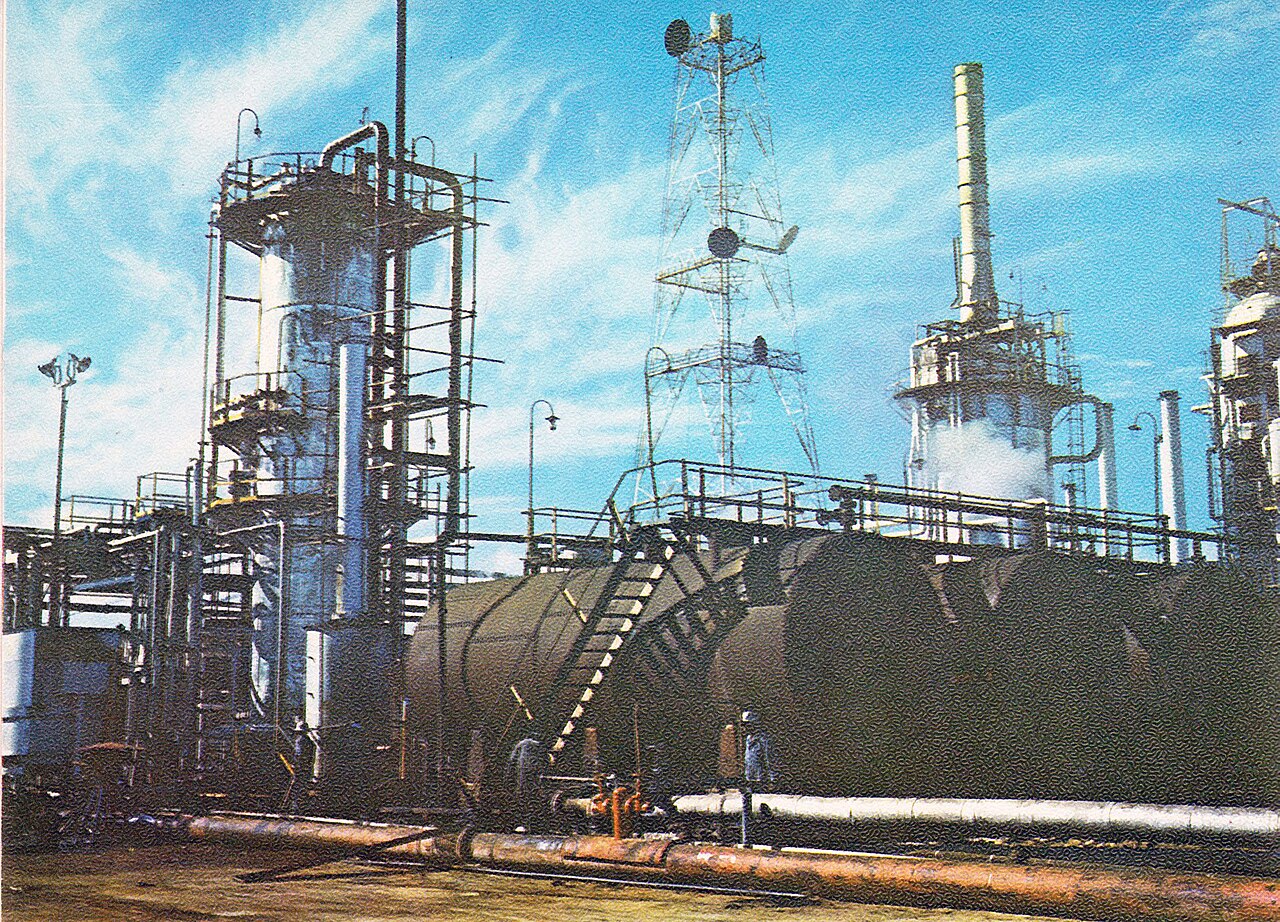
Iran initiated a series of drone and missile strikes across the Gulf region on March 12, 2026, impacting several nations including Saudi Arabia, Qatar, Kuwait, and the United Arab Emirates. These coordinated actions are perceived as part of ongoing retaliatory measures within the broader regional conflict involving the United States and Israel.
Saudi Arabia's Ministry of Defence confirmed the interception of multiple drones and a ballistic missile targeting the al-Kharj governorate. Concurrently, reports from The Wall Street Journal, citing unnamed U.S. officials, indicated that five U.S. Air Force refueling aircraft sustained damage at a Saudi airbase following an Iranian assault. This suggests a direct impact on U.S. military assets stationed in the region.
Regional Defense Responses
Qatar's Ministry of Defence acknowledged missile attacks and implemented temporary evacuation protocols for residents in specific zones. An intercepted missile strike was reported around 2:00 AM local time. Kuwait's National Guard also reported successfully neutralizing a drone, as stated by the Government Communication Centre, highlighting the widespread nature of the aerial incursions.
In the United Arab Emirates, falling debris from an intercepted attack impacted a building facade in Dubai. The Dubai Media Office confirmed the incident, noting that no injuries or fires resulted from the impact. These events collectively underscore the escalating use of advanced aerial weaponry in regional confrontations.
Context of Escalation
The attacks on March 12, 2026, represent a significant escalation in regional tensions, building upon a history of proxy conflicts and direct confrontations. The involvement of multiple Gulf states as targets indicates a broad scope for Iran's military actions, which it frames as responses to perceived aggressions from the United States and Israel. The deployment of both drones and ballistic missiles demonstrates a sophisticated and multi-pronged approach to projecting power.
International Implications
The targeting of U.S. military assets, even indirectly through damage at a Saudi airbase, carries substantial international implications. It raises questions about the security of foreign military installations in the region and the potential for broader international involvement. The widespread nature of the attacks also disrupts regional stability and could impact global energy markets, given the Gulf's critical role in oil and gas production.
Outlook on Stability
These incidents highlight the persistent challenges to stability in the Middle East, characterized by complex geopolitical dynamics and the proliferation of advanced military technologies. The continued use of drone and missile capabilities by state and non-state actors suggests that such attacks may become a more frequent feature of regional conflicts, necessitating enhanced air defense systems and diplomatic efforts to de-escalate tensions.
The international community remains watchful for further developments and potential responses from affected nations and their allies.
Implications
Country Impact: The attacks heighten security concerns for Gulf nations, potentially leading to increased defense spending and closer military cooperation with international partners. Civilian populations in targeted areas face elevated risks, prompting temporary evacuation measures.
Industry Impact: The energy sector, particularly oil and gas, faces potential volatility due to increased geopolitical risk in the critical Gulf region. Shipping and aviation industries may experience disruptions and increased insurance premiums.
Market Impact: Global financial markets could react with increased risk aversion, potentially leading to higher oil prices, a flight to safe-haven assets, and downward pressure on regional stock exchanges. Investor confidence in the Middle East may diminish.