Iran confirms Hormuz fees for commercial vessels
Officials said friendly nations will receive special treatment as Iran prepares service fees for traffic through the Strait of Hormuz.
Mateo Fernandez ·
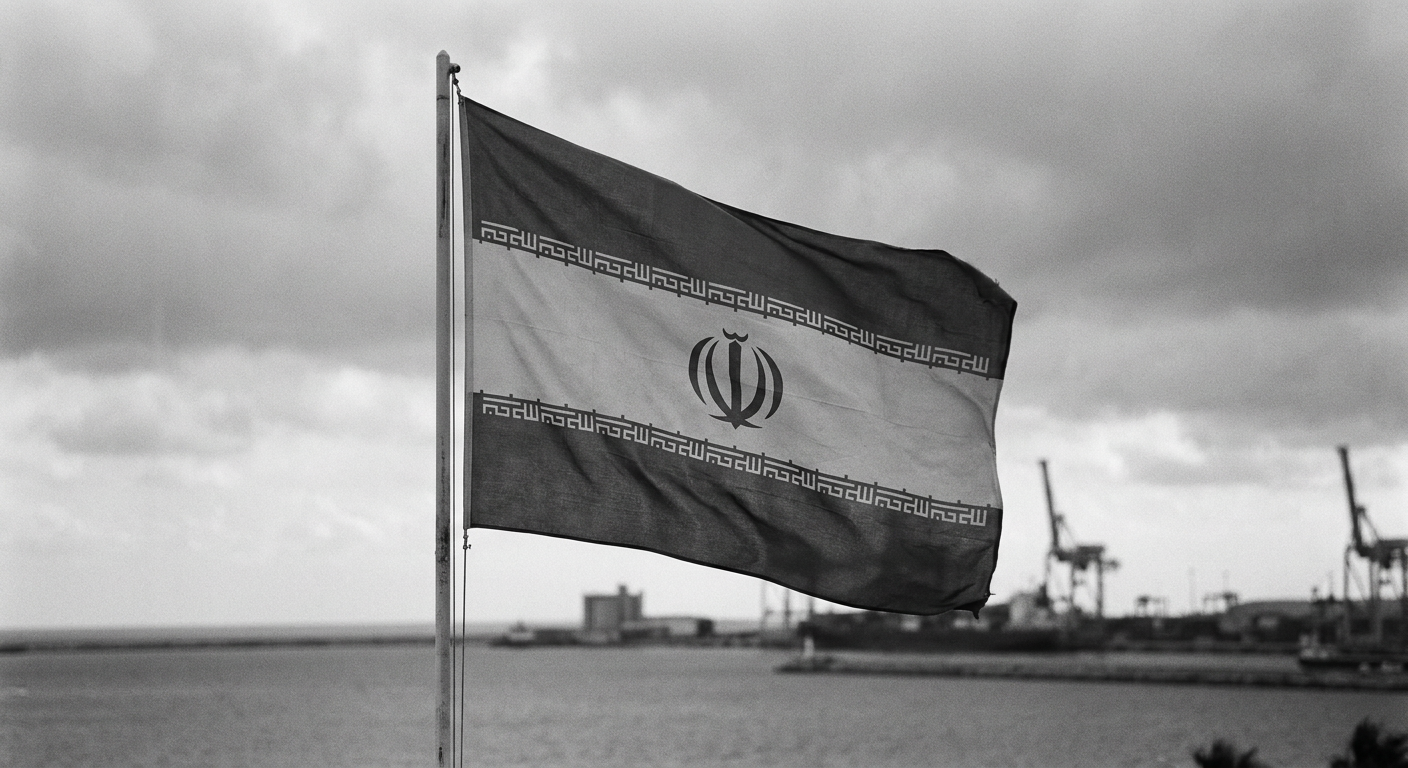
Iran confirmed on July 5 that commercial vessels using the Strait of Hormuz will face service fees, officials said, adding that friendly nations will receive special treatment. Reaction was pending, with energy traders likely to focus on whether the charges lift freight, insurance or crude supply-risk premiums.
Officials said an initial agreement between Iran and the United States that helped end their recent war allowed commercial vessels to pass through the waterway without charge for 60 days. The confirmation points to a shift from a temporary no-fee arrangement toward a more discretionary system shaped by Tehran’s diplomatic preferences.
Hormuz fees test energy routes
The Strait of Hormuz is one of the world’s most sensitive energy transit routes because disruptions there can quickly affect oil and gas shipping costs. A fee regime would add a direct cost to passage; unequal treatment by country could also complicate routing, contract terms and compliance decisions for shipowners.
For Iran, the policy creates a tool to raise revenue or reward aligned governments without closing the waterway. For energy buyers, the risk is less about the fee alone than about uncertainty over who qualifies for preferential treatment and how consistently the rules are applied.
If the 60-day window stays calm, the macro effect may be limited to modest shipping-cost adjustments. If exemptions become contested, the mechanism changes: higher insurance and rerouting risk could feed into delivered energy prices and pressure refiners, traders and tanker operators.
Over the next 24 hours, traders will watch for an official fee schedule, the start date, and any named countries eligible for special treatment.