Iran Denounces US Strikes on Tankers, Warns of Repercussions
Iranian officials condemned US strikes on three crude carriers in the Persian Gulf and Sea of Oman, citing international law violations.
Mateo Fernandez ·
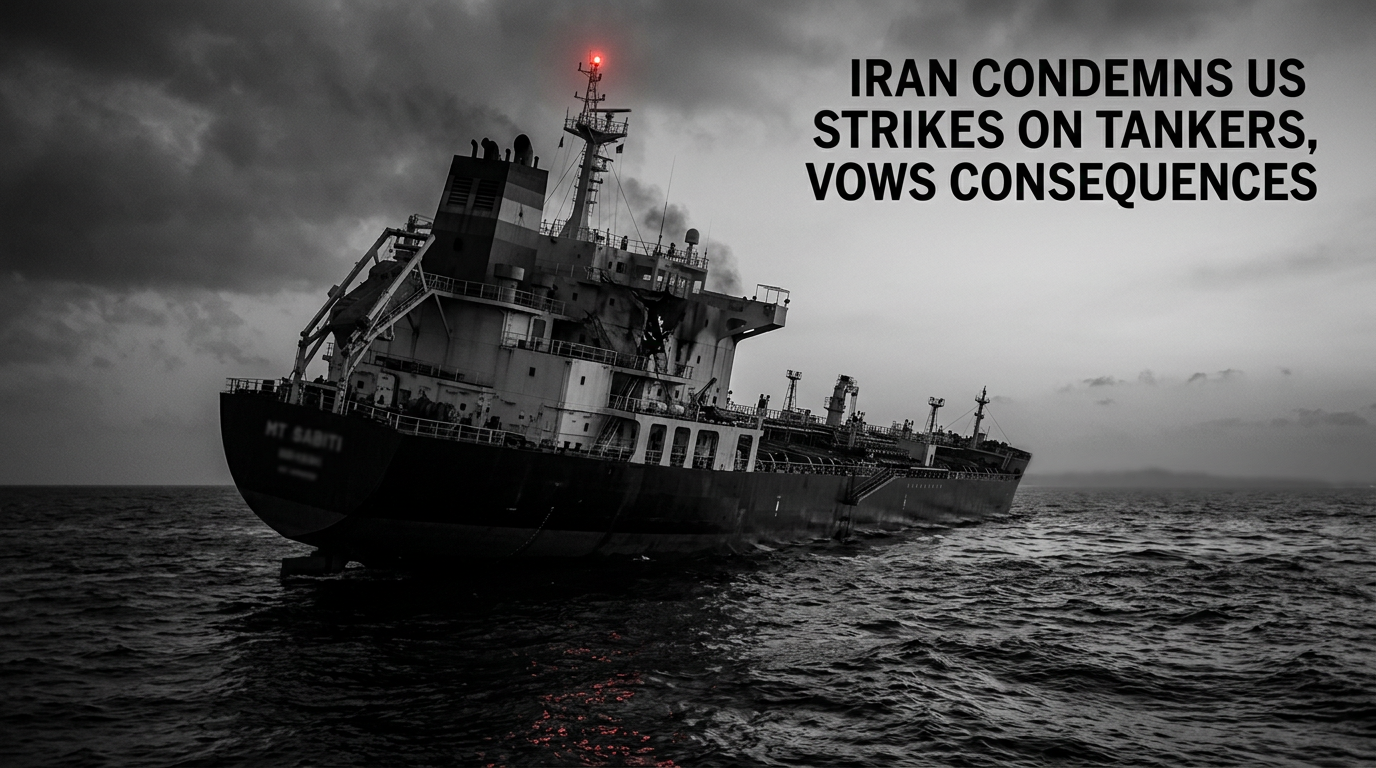
Iranian authorities have strongly condemned recent US military actions targeting three crude oil tankers in the Persian Gulf and the Sea of Oman on September 6, 2026. Official statements from Tehran labeled the strikes as a breach of the UN Charter and characterized them as a "war crime." This condemnation comes with a warning of potential consequences for Washington and its allies.
The US Central Command (CENTCOM) confirmed it conducted strikes against three Iranian crude carriers. These actions were reportedly taken in response to alleged missile attacks directed at US warships. CENTCOM officials stated that the targeted vessels were involved in these missile incidents, justifying the retaliatory operation.
Tehran's Legal Stance and Warning
Iran framed the US actions as a direct assault on commercial shipping, asserting that such moves violate international law. Tehran indicated that it would consider potential retaliatory measures following what it views as an unacceptable escalation. The Iranian government's strong reaction underscores a significant increase in tensions in one of the world's most critical maritime regions.
The incident has heightened concerns among shipping and insurance sectors. Analysts are closely monitoring for any potential shifts in risk pricing for crude oil exports originating from the Gulf region, particularly those transiting through strategic chokepoints like the Strait of Hormuz. Such a shift could lead to increased operational costs for global energy markets.
Market Implications and Outlook
Should insurance premiums rise or if tanker routes are altered to avoid perceived high-risk areas, short-term transport costs for oil are likely to increase. This scenario could lead to a tightening of delivered crude volumes from the Middle East, potentially impacting global supply chains and commodity prices. Market observers are keenly watching for further developments.
Traders and insurers are expected to widen risk premia if additional strikes occur by September 9, 2026. This would further constrain Gulf exports and could lead to an upward trend in oil prices. Conversely, if no new incidents are reported after the initial strikes, disruptions to shipping are anticipated to be limited, and the broader market effects might remain subdued.
Monitoring official maritime advisories and subsequent statements from regional naval commands remains crucial through September 9, 2026, to assess the evolving security situation and its potential impact on international shipping and energy markets.
Geopolitical Backdrop
The Persian Gulf and Sea of Oman are vital for global energy transit, with a significant portion of the world's oil supply passing through these waterways. Historical tensions between the US and Iran have frequently manifested in naval confrontations and accusations of maritime interference in this region. This latest incident adds to a long-standing pattern of strategic rivalry.
Previous incidents, including seizures of commercial vessels, drone attacks, and alleged sabotage, have often led to temporary spikes in oil prices and increased security concerns for international shipping. The current situation demands careful diplomatic management to prevent further escalation and ensure stability in a region critical to global economic health.