Iran closes Strait of Hormuz as US strikes
Officials said Iran shut the waterway after a Cyprus-flagged container ship was hit, widening a conflict risk for Gulf shipping.
Mateo Fernandez ·
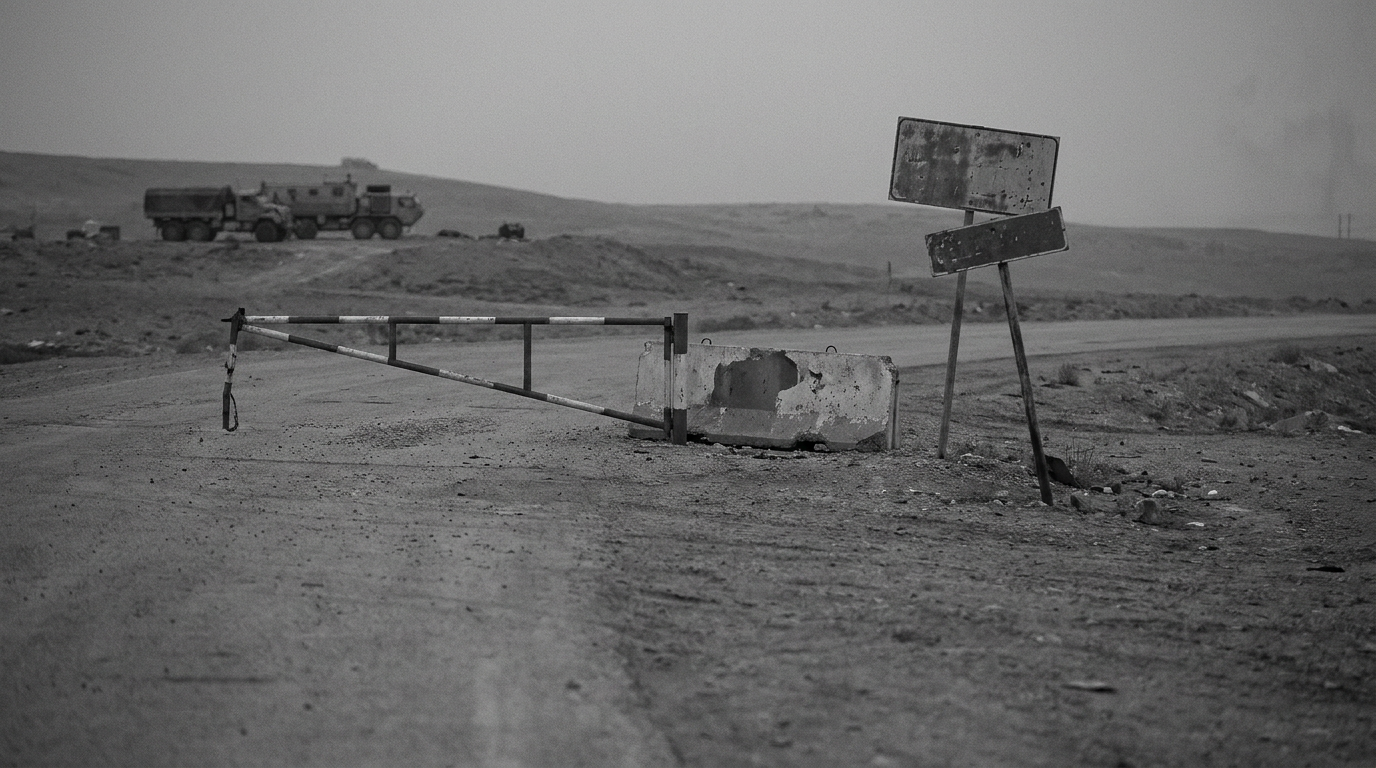
Officials said Iran closed the Strait of Hormuz until further notice on July 12 after the Islamic Revolutionary Guard Corps attacked a Cyprus-flagged container ship in the waterway. Reaction pending. The United States launched a fresh round of strikes against Iran, marking a further escalation in a conflict now touching one of the world’s most sensitive shipping lanes.
The closure turns a military exchange into a direct threat to maritime logistics. For oil, gas and container markets, the immediate issue is not only whether vessels can pass, but whether insurers, shipowners and charterers decide the route is too risky even before formal restrictions are tested.
Hormuz closure hits shipping risk
Officials said the vessel was described as unauthorised by Iranian authorities. The payload did not identify damage to the ship, casualties, cargo, destination or the exact location of the strike, leaving key operational details unconfirmed.
For Washington, another strike cycle signals that deterrence is being tested rather
than restored. If US action expands, the macro channel runs through higher geopolitical risk premiums, more expensive freight and potential pressure on energy-importing economies.
If the exchange pauses, markets may still price a risk buffer until
passage through Hormuz is visibly normal.
The company-level effect depends on exposure. Shipping lines with Gulf routes face diversion, insurance and delay risk; energy producers and refiners face pricing volatility; ports around the Gulf could see scheduling disruption if vessels wait outside the channel.
By July 13, 2026, the key test is whether Iran issues clearance terms for commercial transit, whether US strikes continue, and whether major carriers suspend Hormuz-linked voyages.