Iran calls Hormuz control non-negotiable as fee dispute widens
Tehran’s stance on the Strait of Hormuz adds pressure to energy shipping routes as Washington rejects fees on commercial transit.
Mateo Fernandez ·
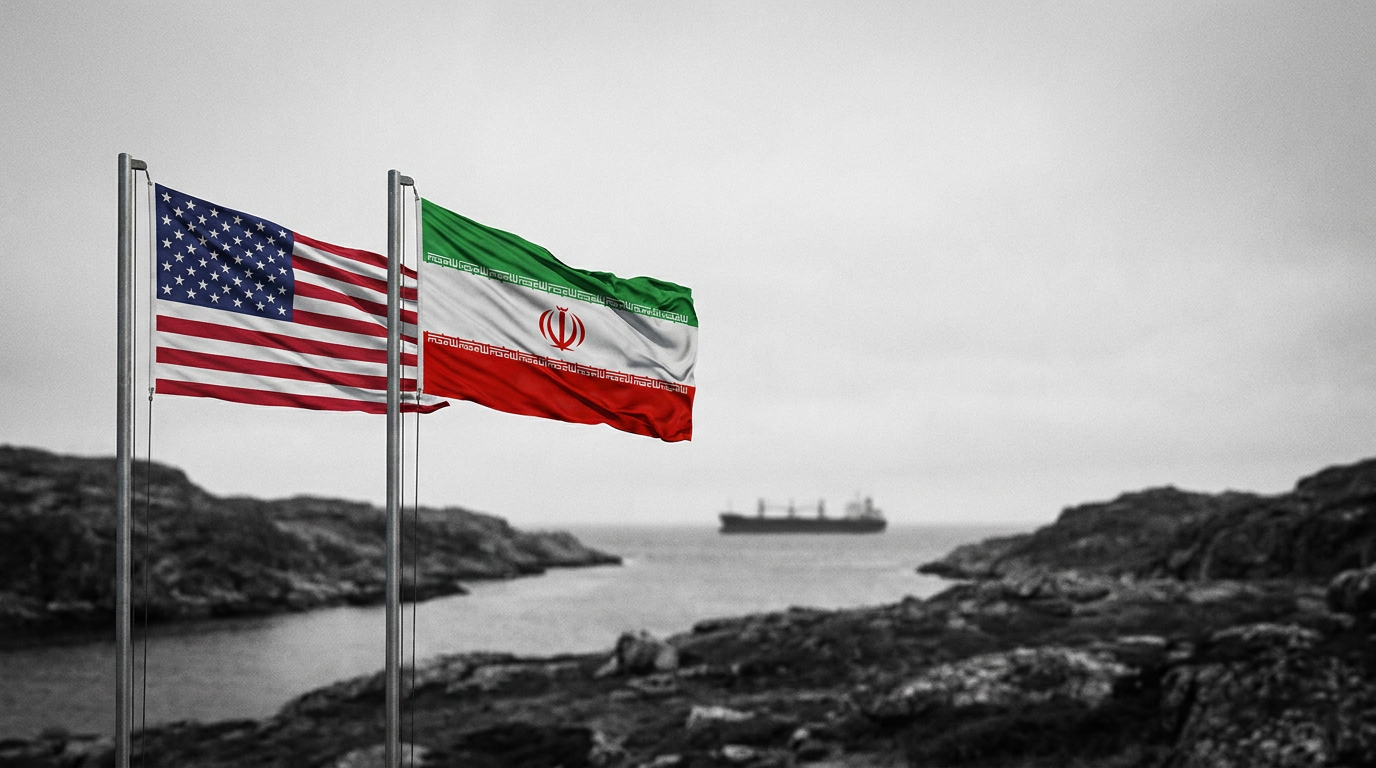
Iran said control over the Strait of Hormuz is non-negotiable, putting one of the world’s most sensitive energy shipping corridors back at the center of the U.S.-Iran confrontation. Officials said Washington opposes any fees on commercial navigation, while Tehran argues unrestricted passage can no longer be assumed after months of conflict.
Hormuz fee plan tests oil routes
Officials said Oman has proposed a framework that could change how maritime transit is handled through the strait. No fee schedule, enforcement mechanism or approval timeline was disclosed, leaving shipping companies and energy traders with a political signal rather than an operating rule.
The immediate market risk is not a formal closure but a rise in perceived transit costs, insurance premiums and delay risk for cargoes moving through the waterway. If Iran presses the fee issue and Washington pushes back, energy markets would likely price a higher geopolitical risk premium into crude and refined-product flows.
For Iran, the dispute offers leverage over a route it views as a strategic asset. For the wider oil and shipping sectors, the question is whether the Omani proposal becomes a de-escalation channel or a new basis for contested tolling, inspections or naval enforcement.
By July 2, 2026, traders will look for official statements from Tehran, Washington or Muscat clarifying whether the proposal is diplomatic messaging or the start of a formal transit regime.