Iran blasts strain ceasefire after Trump warning
Explosions were reported in Iran hours after Trump questioned the ceasefire, with both sides alleging violations.
Mateo Fernandez ·
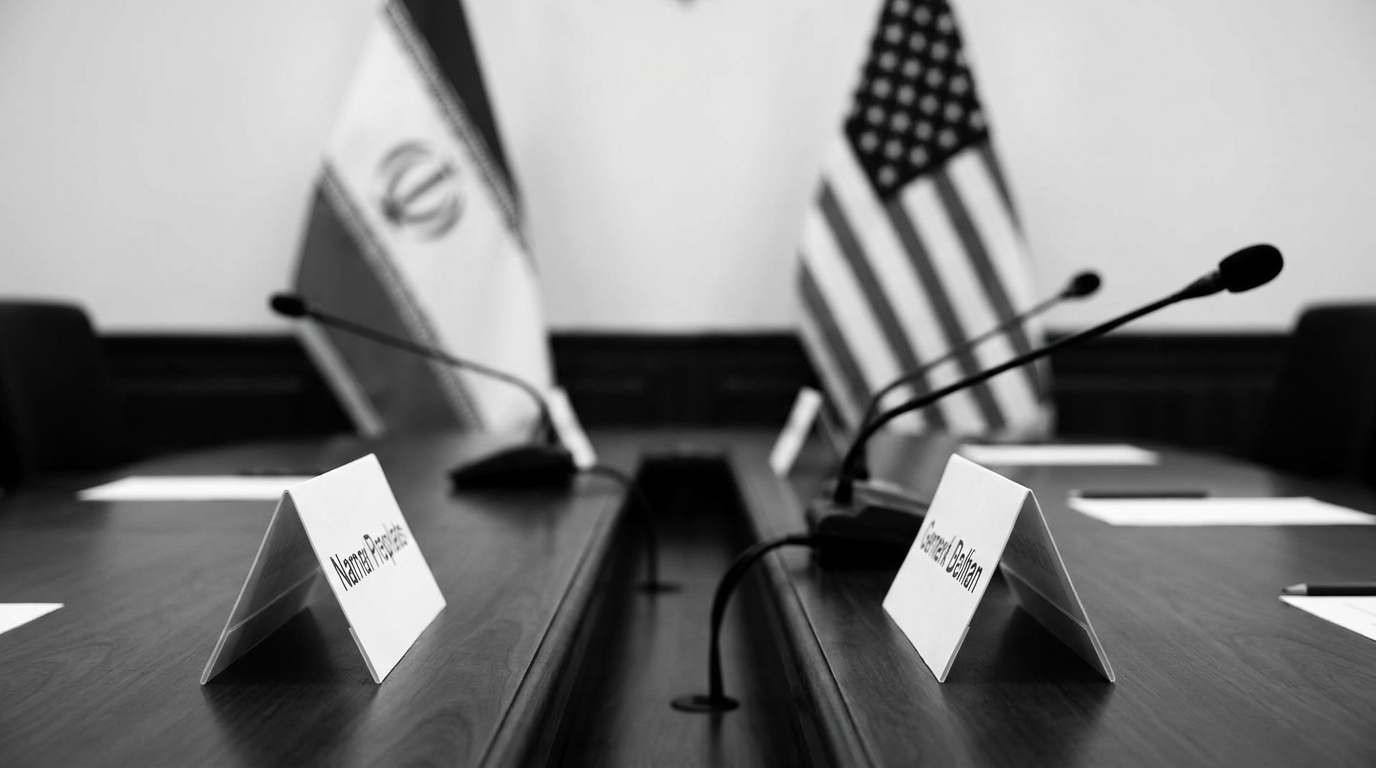
Explosions were reported in Iran on July 8, 2026, hours after President Donald Trump warned Tehran and questioned whether the ceasefire was still in force. Reaction pending. The reports raise the risk that a truce meant to halt direct conflict between the United States and Iran could be fraying before either side has locked in a durable off-ramp.
Trump warning tests Iran truce
Trump had expressed doubt about the ceasefire, saying it might be "over," after both nations accused each other of violating the arrangement. The sequence matters because ceasefires in high-intensity conflicts often depend less on the text of the agreement than on whether each side believes the other is still observing it.
For global markets, the immediate channel is geopolitical
risk rather than confirmed economic damage.
If the ceasefire holds despite the latest blasts, investors may treat
the event as a contained breach and focus on diplomatic signals.
If the truce breaks down, risk premiums could rise across
energy, shipping, defense and safe-haven assets.
For Washington and Tehran, the core uncertainty is command and control: whether the latest violence was ordered, retaliatory, accidental or misread. That distinction will shape whether leaders can preserve the ceasefire while blaming violations, or whether domestic and military pressure pushes them toward another round of strikes.
The next 24 hours, through July 9, 2026, will be decisive for confirmation from officials, evidence of further attacks and any public statement clarifying whether the ceasefire remains active.