Gas prices stay in focus as Iran conflict outlook shifts
Markets weigh signs of easing tensions, but uncertainty over Gulf shipping and crude supply continues to keep pressure on gasoline price expectations.
Omar Farouk ·
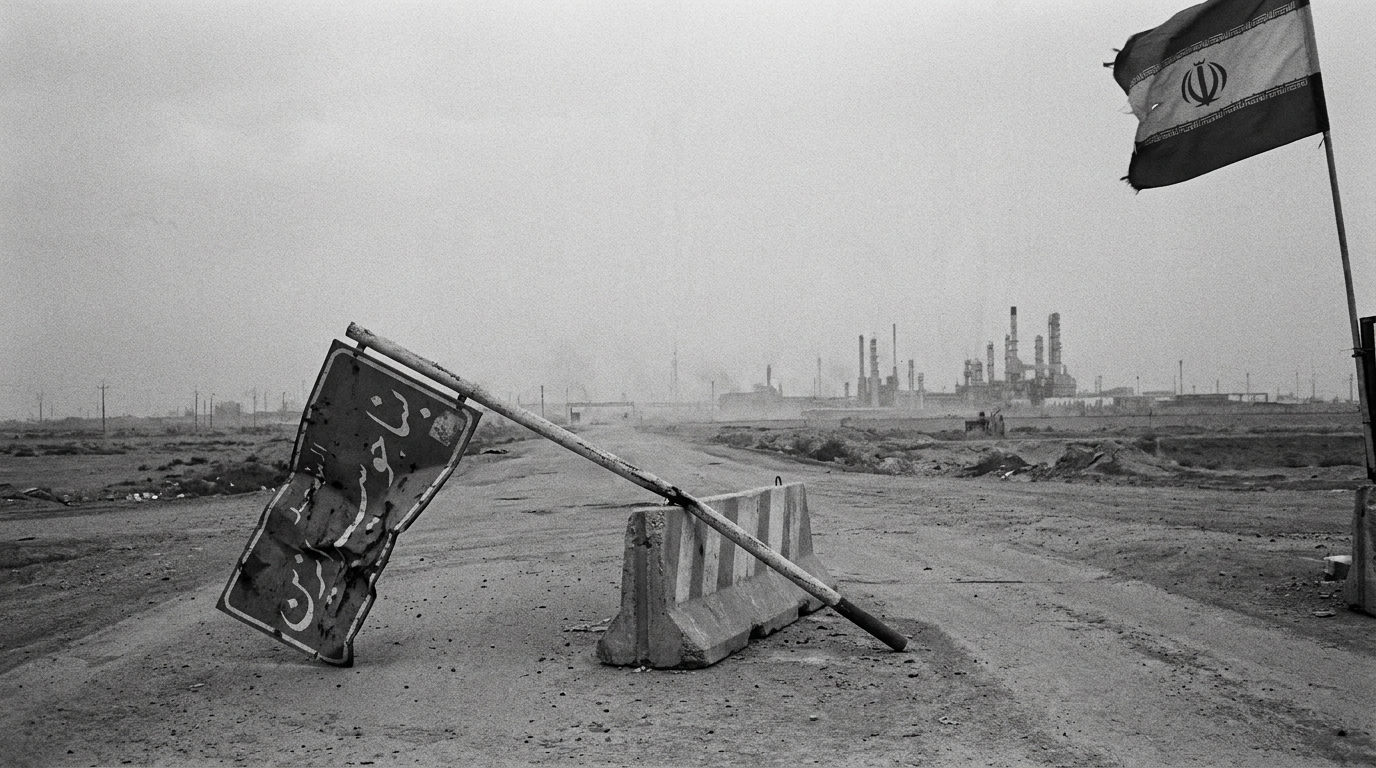
# Gas prices stay in focus as Iran conflict outlook shifts
Even as talk grows about a potential end to the recent Iran-linked conflict, fuel markets are not getting the clean “all clear” that drivers tend to expect after a headline risk fades. The key issue for the region is not only whether fighting slows, but whether the shipping and energy system around the Persian Gulf returns to normal operation quickly and credibly.
Persian Gulf
The questions matter well beyond the Middle East: any sustained disruption around the region’s export corridors can tighten crude supply and raise insurance and freight costs, feeding through into retail gasoline and jet fuel prices.
Iran sits at the center of a dense web of security and energy interests, and the region’s tensions often spill into maritime risk. Tankers moving through the Strait of Hormuz, the narrow passage linking the Persian Gulf to the Gulf of Oman, carry a large share of globally traded oil and liquefied natural gas; even limited incidents can jolt prices because traders price the possibility of escalation.
On the supply side, the Organization of the Petroleum Exporting Countries and partners (OPEC+) influences the market through coordinated output policy. When geopolitical risk rises, OPEC+ producers in the Gulf can face competing pressures: keep barrels flowing to calm markets, or act cautiously if shipping security deteriorates or if domestic politics demand a firmer posture.
For the Middle East
For the Middle East, the immediate stakes are deterrence and credibility. If Iran and its regional rivals interpret the conflict’s end as a durable shift, tensions can cool across multiple fronts. If instead they see it as a temporary pause, the region could remain stuck in a cycle of tit-for-tat moves that keeps ports, pipelines, and sea lanes under persistent risk.
Globally, the spillover channels are straightforward. Higher perceived risk in or near the Strait of Hormuz can raise crude benchmarks and widen refining margins, which then filters down into gasoline prices. Shipping is the second pressure point: if insurers and carriers price in danger, freight costs rise and deliveries slow. Even when physical supply is not interrupted, risk premiums can keep energy prices elevated longer than the fighting itself.
By 2026-07-22, watch for any verifiable change in maritime operations tied to Gulf security: a sustained drop in reported incidents affecting commercial vessels, and an observable normalization in tanker transits through the Strait of Hormuz. If transit volumes and routing patterns normalize and remain steady through that date, pump-price pressure should ease through lower risk premiums and freight costs; if disruptions persist or routing becomes consistently more cautious, gasoline expectations may remain sticky even if the conflict looks politically “near an end.”