Iran-Backed Group Claims US Aircraft Downing in Iraq
An Iran-backed group claimed responsibility for downing a U.S. military KC-135 refueling aircraft in western Iraq on Thursday, escalating regional tensions.
Lauren Collins ·
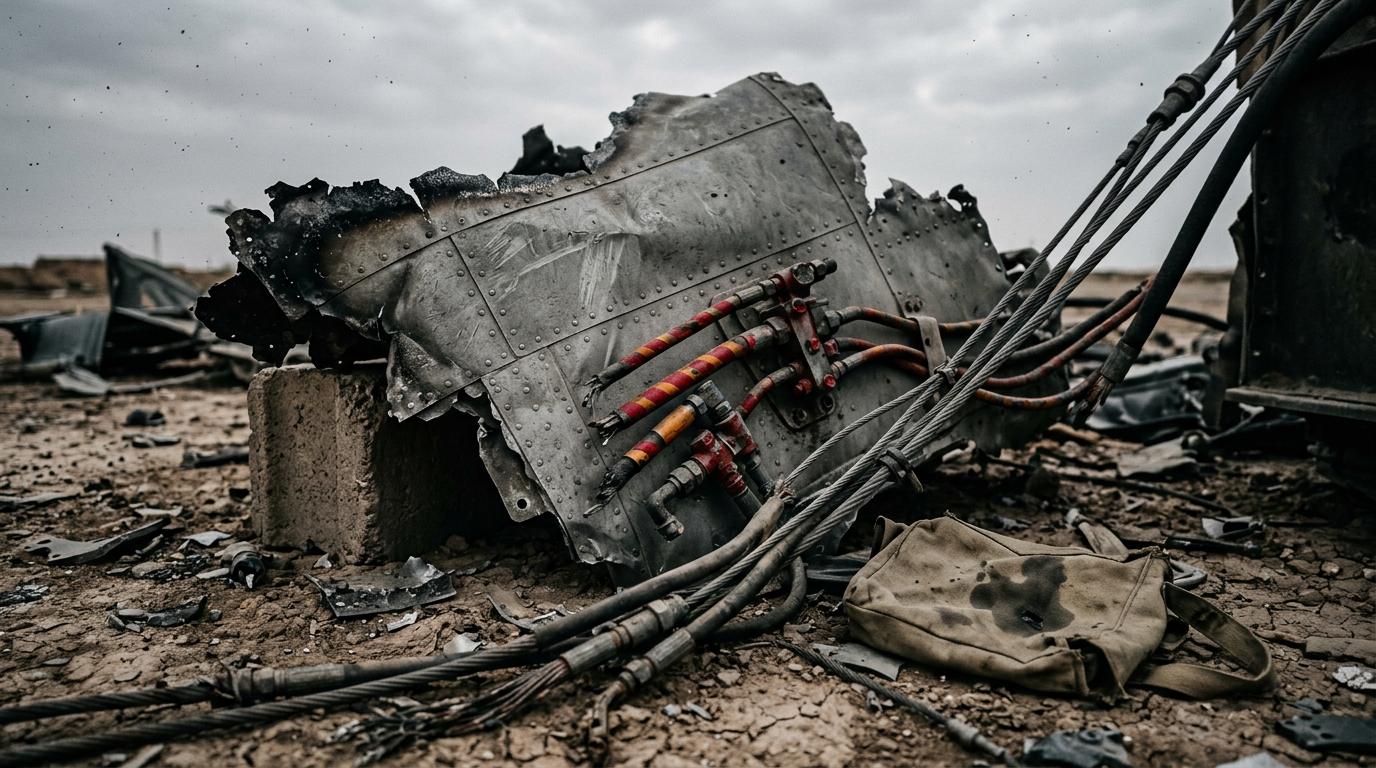
An Iran-aligned coalition of armed factions, known as the Islamic Resistance in Iraq, asserted responsibility on Thursday for downing a U.S. military KC-135 refueling aircraft. The group stated the action was a direct response to perceived violations of Iraqi sovereignty and airspace. This claim emerges amid heightened regional instability and ongoing confrontations between U.S. forces and various Iran-backed entities across the Middle East.
Claim of Responsibility and Regional Context
The group explicitly cited the defense of national sovereignty as the motivation for its alleged action. This rhetoric aligns with previous statements from Iran-backed factions, which frequently frame their activities as responses to foreign military presence in Iraq and Syria.
U.S. Military Presence and Regional Tensions
Recent months have seen a surge in attacks attributed to these factions targeting U.S. bases and personnel in Iraq and Syria. These actions are often linked to broader geopolitical dynamics, including the conflict in Gaza and the wider regional rivalry between the U.S. and Iran.
Implications for Stability and Diplomacy
Diplomatic channels remain crucial for managing these tensions, though direct engagement between the U.S. and Iran-backed groups is rare. The incident underscores the persistent challenges to regional stability posed by non-state actors and the complex interplay of national and international interests in Iraq.
Past Incidents and Future Outlook
Observers will closely monitor official U.S. statements regarding the alleged incident. Confirmation or denial, along with any subsequent actions, will be critical in assessing the immediate and long-term implications for regional security and the future of U.S. military operations in Iraq.
Implications
Country Impact: Iraq faces increased internal instability and risks becoming a direct battleground for proxy conflicts. The Iraqi government's ability to assert control over armed factions may be further challenged, impacting its sovereignty and security.
Industry Impact: The energy sector in the Middle East could experience heightened volatility due to increased geopolitical risk. Shipping and aviation industries operating in the region may face elevated security concerns and potential disruptions.
Market Impact: Global financial markets may react to increased geopolitical tensions, potentially leading to a flight to safety in assets like gold and U.S. Treasuries. Oil prices could see upward pressure if the incident is confirmed and escalates, reflecting supply disruption fears.