Iran attack on tanker raises Hormuz shipping risk
Officials said Iran attacked a tanker in the Strait of Hormuz, forcing the crew to abandon ship and heightening energy-route risk.
Mateo Fernandez ·
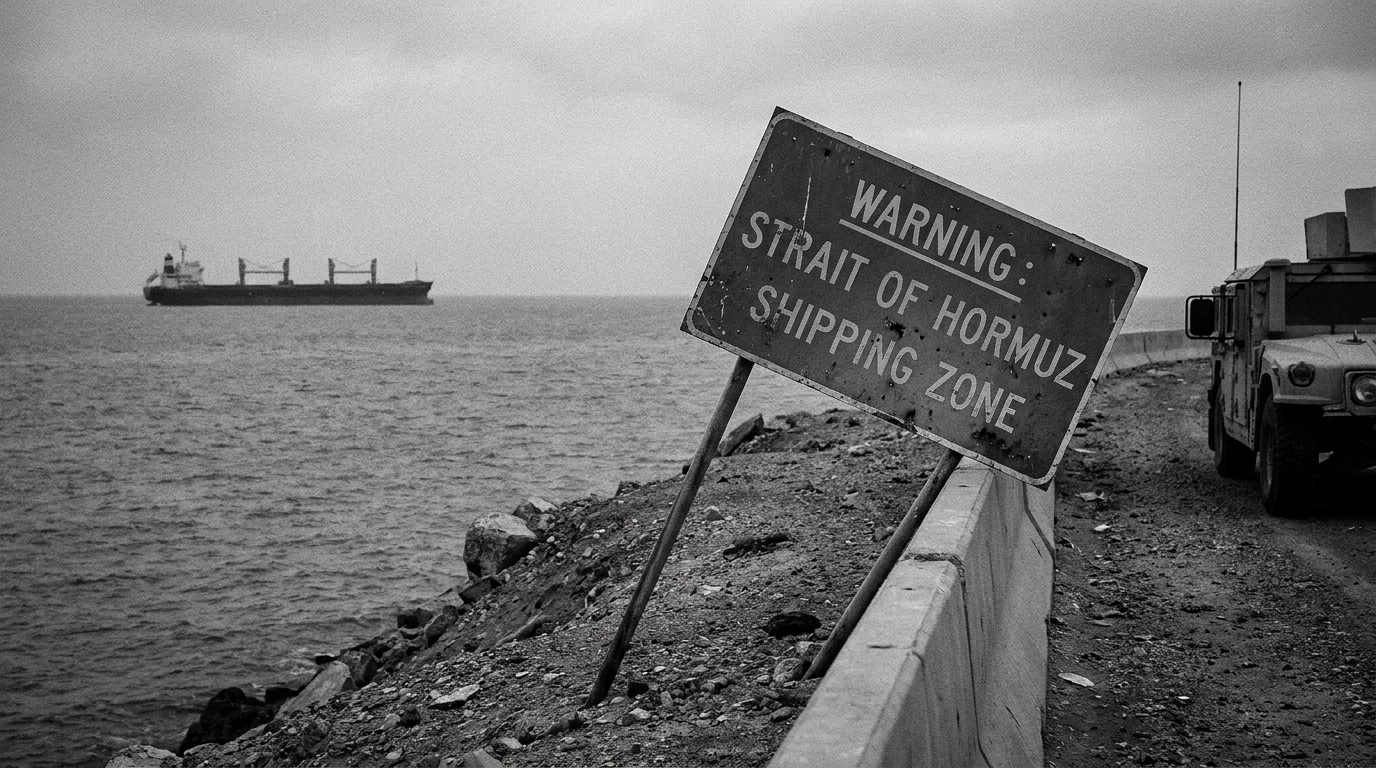
Iran attacked a tanker in the Strait of Hormuz early Tuesday, officials said, forcing the crew to abandon the vessel and raising immediate concern over one of the world’s most sensitive energy shipping lanes. Reaction pending, with traders likely to test oil, tanker insurance and regional risk pricing as more details emerge.
The incident matters because the Strait of Hormuz is a narrow chokepoint linking Gulf producers to global markets. Any confirmed attack on commercial shipping can lift war-risk premiums, slow vessel traffic and push refiners and cargo buyers to reassess route exposure.
Hormuz attack lifts shipping risk
Officials said the tanker was attacked by Iran, but the available information did not specify the vessel’s cargo, flag, operator or crew condition. Those details will shape the market read-through: a crude carrier would point directly at oil supply risk, while another cargo type would still raise the cost of moving goods through the Gulf.
For global macro, the channel is energy inflation and confidence. If shipping continues with only isolated disruption, the impact may stay concentrated in insurance, freight and regional risk assets. If attacks repeat or naval responses expand, oil prices and inflation expectations could face a sharper test.
For the shipping sector, the immediate question is whether operators pause transits, demand escorts or reroute where possible. For Iran and regional governments, the risk is escalation through miscalculation rather than a single incident.
Markets and governments will be watching for official vessel identification and crew updates by July 22, along with any advisory to commercial ships transiting the Strait.